Effective mulch use can transform a basic field into a thriving, resilient ecosystem where crops flourish under optimal conditions. By understanding the science and art of mulching, farmers can reduce water consumption, suppress unwanted vegetation, and enrich soil structure. The following guidance outlines practical steps to harness the full potential of mulch in open-field agriculture.
Understanding the Role of Mulch in Field Agriculture
Mulch serves as a protective cover on the soil surface, delivering a range of benefits that support plant health and farm productivity. A well-implemented mulching system helps regulate soil temperature, retain moisture, and control weeds. It also prevents soil erosion by reducing the impact of raindrops and wind, while enhancing soil structure through gradual decomposition.
Two main categories of mulch exist: organic and inorganic. Each type offers distinct advantages:
- Organic mulch (e.g., straw, wood chips, compost) gradually decomposes, releasing valuable nutrients and supporting beneficial microbes in the soil.
- Inorganic mulch (e.g., plastic films, landscape fabrics) provides long-lasting weed suppression and effective moisture retention but does not contribute to soil fertility.
Selecting the right mulch depends on crop type, local climate, and available resources. The following sections explore the selection, preparation, application, and maintenance of mulch in greater detail.
Choosing the Ideal Mulch Material
When deciding on a mulch material, consider factors such as cost, availability, longevity, and impact on soil health. Below are common options with key attributes:
- Straw: Affordable and easy to spread; excellent for moisture retention, but may contain weed seeds if not well processed.
- Wood chips: Long-lasting cover that slowly adds organic matter; best for orchard or perennial fields, but can temporarily tie up soil nitrogen.
- Compost: Rich in nutrients and beneficial organisms; ideal for vegetable plots but requires careful layering to avoid odor issues.
- Plastic film: Provides immediate weed control and warms soil in early spring; disposal and microplastic concerns are drawbacks.
- Landscape fabric: Durable barrier against weeds; must be anchored properly and periodically checked for tearing.
In organic farming systems, prioritizing sustainability and minimal chemical inputs often leads to a preference for organic mulches. Conversely, high-value vegetable or fruit crops may justify the expense of plastic mulches to boost crop yield and marketable quality.
Preparing the Field for Mulching
Proper field preparation is essential to maximize the benefits of mulch. Follow these steps before applying any material:
Soil Testing and Amendment
- Conduct a soil test to determine pH, nutrient levels, and organic matter content.
- Incorporate lime or sulfur to adjust pH if needed, aiming for a range optimal for your crop species.
- Add compost or animal manure as a pre-planting amendment to boost soil fertility and microbe activity.
Weed Control Measures
- Eliminate existing weeds through mechanical cultivation, flame weeding, or a cover crop.
- Allow the soil surface to settle for a few days after tillage to form a stable base.
Leveling and Moisturizing
- Level the field by dragging or rolling to ensure uniform thickness of mulch materials.
- Pre-irrigate or apply light rainfall to moisten the topsoil, improving mulch adhesion and reducing air pockets.
By addressing these preparation steps, farmers set the stage for a more effective and long-lasting mulch layer that can perform optimally throughout the growing season.
Applying Mulch: Techniques and Best Practices
Correctly applying mulch ensures even coverage and maximizes benefits. Different methods suit various mulch types:
Broadbed and Furrow Systems
- Use plastic mulch on raised beds to warm early-season soil and guide irrigation water in furrows.
- Secure edges with soil or staples, and cut slits for plant transplants at precise intervals.
Direct Mulch Broadcast
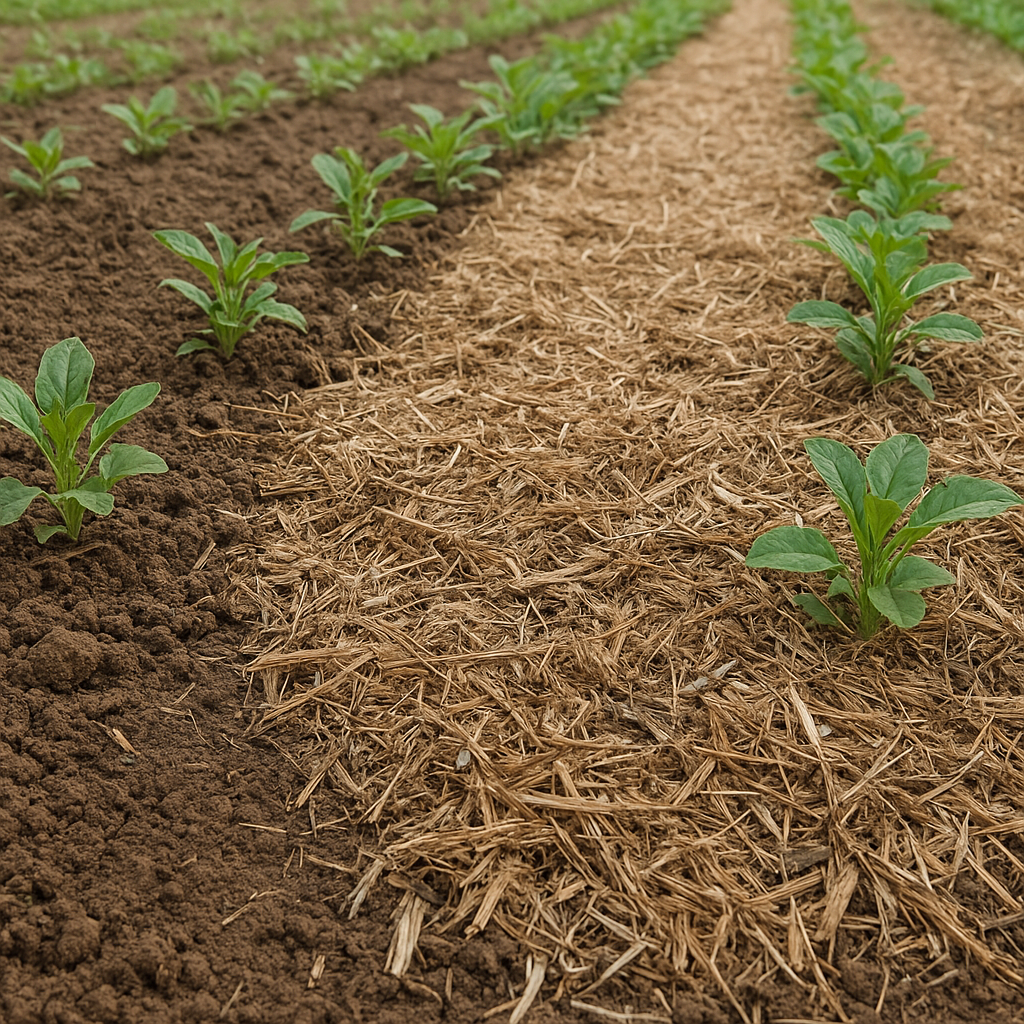
- Spread straw, wood chips, or compost evenly at a depth of 5–10 cm for vegetables or annuals.
- Apply thicker layers (10–15 cm) around perennial fruit trees or berry plants to suppress weeds long-term.
Strip Mulching
- Lay landscape fabric or plastic strips directly over planting rows, leaving bare strips for seeding or transplanting.
- Ideal for row crops like tomatoes, peppers, or melons.
Irrigation Integration
- Check that drip lines or soaker hoses sit directly on or just beneath the mulch layer for efficient water delivery.
- Avoid burying irrigation lines too deeply, which can hinder water penetration and reduce moisture at the root zone.
In all approaches, maintaining a uniform layer is vital to minimize weed intrusion and ensure consistent moisture levels. Monitor mulch depth throughout the season, topping up as necessary.
Maintaining and Replenishing Mulch Layers
Regular maintenance helps sustain mulch performance over weeks or months. Key tasks include:
- Inspect edges and anchor points, re-securing any loose sections to prevent wind disruption.
- Monitor soil moisture weekly, using a probe or soil moisture sensor; add water if levels drop below crop requirements.
- Remove weeds that sprout through tears or gaps, and patch any exposed areas with fresh mulch material.
- Replenish organic mulch mid-season if decomposition has reduced its thickness below the recommended depth.
Proper maintenance extends the life of mulch, reduces labor in weed control, and minimizes erosion risks during heavy rainfall. Over time, organic mulch layers will integrate into the soil, enhancing overall field health and decreasing future amendment needs.
Advancing Sustainability with Mulch Strategies
Effective mulch management contributes to a more sustainable agricultural system. By improving water efficiency, reducing chemical herbicide reliance, and boosting soil organic matter, mulch fosters an environment where beneficial organisms thrive. Additionally, integrating mulching with other regenerative practices—such as cover cropping, minimal tillage, and crop rotations—can amplify these benefits, creating resilient fields capable of withstanding climatic fluctuations.
In summary, the strategic use of mulch in the field represents a multifaceted tool for modern farmers aiming to balance productivity and environmental stewardship. Thoughtful selection, meticulous preparation, precise application, and proactive maintenance ensure that mulch delivers its full spectrum of advantages throughout the crop cycle.