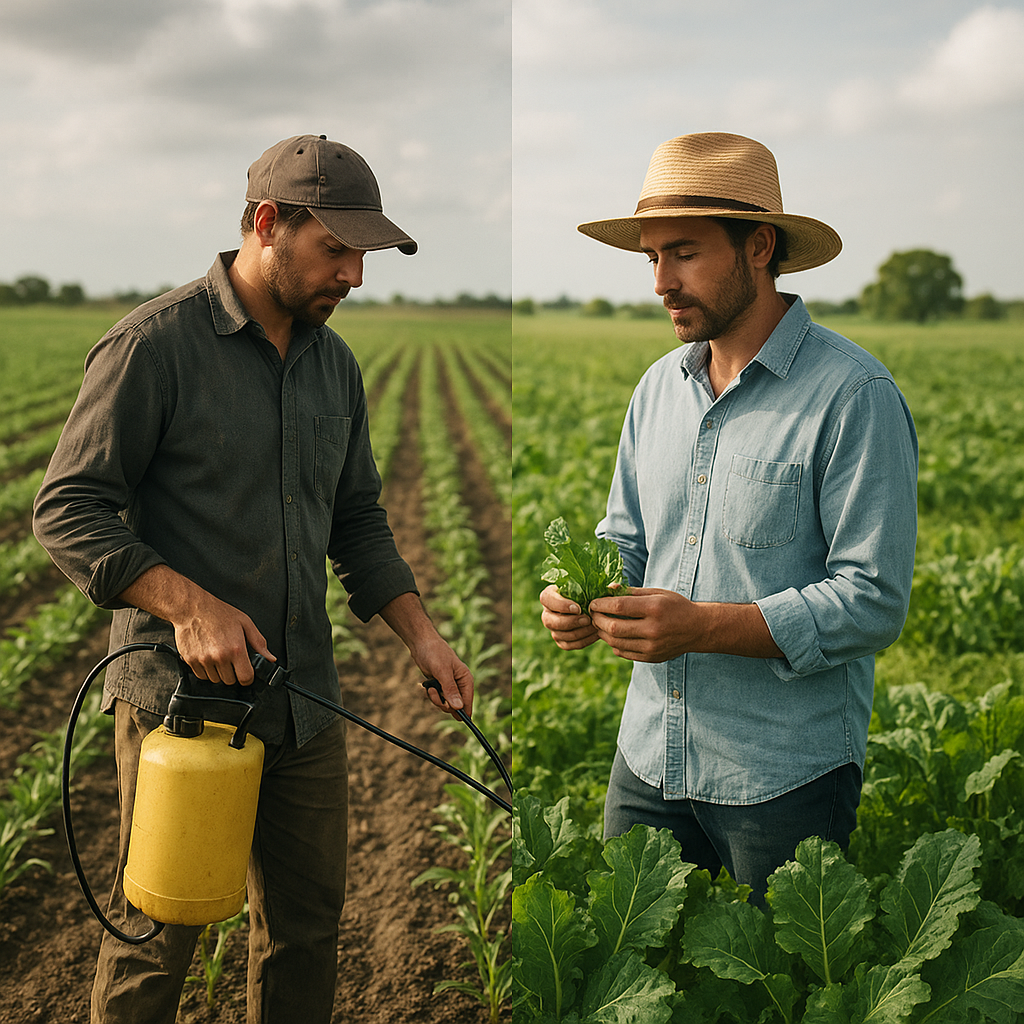
Transitioning from conventional to organic farming represents a profound commitment to environmental stewardship and long-term productivity. This journey not only enhances soil health and promotes biodiversity but also aligns agricultural practices with consumer demand for pesticide-free produce. Embracing these changes requires careful planning, dedicated management, and adherence to regulatory standards. The following sections outline key considerations, practical steps, and essential techniques to guide farmers on the path toward a successful organic operation.
Benefits of Organic Farming
Environmental Advantages
One of the most compelling reasons to adopt organic methods is the positive impact on the local and global environment. By eliminating synthetic chemicals, farmers foster the development of a balanced natural ecosystem where beneficial organisms thrive. Earthworms, pollinators, and microbial communities flourish in the absence of harsh agrochemicals, driving improved nutrient cycling and structural stability of the soil.
- Reduced chemical runoff, safeguarding nearby waterways and aquatic life.
- Enhanced carbon sequestration through increased organic matter.
- Promotion of on-farm biodiversity with habitat for wildlife.
Economic and Social Impact
Although the transition phase can involve short-term yield adjustments, organic farms often command higher market prices and access premium supply chains. Consumers are increasingly willing to pay for produce labeled as certified organic, which can enhance profitability. Additionally, organic operations tend to strengthen rural communities by creating specialized job roles—soil analysts, certified inspectors, and agritourism facilitators—that support local economies.
- Premium pricing for certified organic products.
- Potential for direct-to-consumer sales models, including farmers’ markets and CSA programs.
- Improved livestock welfare standards and community engagement.
Planning Your Transition to Organic Farming
Understanding Regulatory Requirements
Before making any changes, familiarize yourself with national and regional organic standards. Certification bodies regulate soil management, input usage, crop and animal production techniques, and record-keeping. A typical transitional process lasts 2–3 years, during which a farm must abstain from prohibited materials while documenting practices.
- Identify accredited certification agencies in your region.
- Compile a comprehensive map of field histories and previous chemical applications.
- Develop a written Organic Systems Plan (OSP) detailing each farming operation.
Conducting a Soil and Resource Audit
Evaluating your land’s current condition is crucial. Perform soil tests to measure pH, nutrient levels, and organic matter content. Assess water sources, topography, and existing vegetation. This baseline information guides the selection of amendments and cultural practices that optimize fertility without synthetic fertilizers.
- Analyze micronutrients and macronutrients to identify deficiencies.
- Assess soil texture and drainage characteristics.
- Map out areas prone to erosion or compaction issues.
Setting Clear Goals and Timelines
Establish specific targets—such as increasing organic matter by 2% within three years or phasing out synthetic fertilizers entirely after one growing season. Create a timeline that integrates critical tasks: soil amendment applications, cover crop planting windows, equipment calibration, and staff training. A well-structured schedule prevents delays and ensures compliance with certification milestones.
- Define measurable performance indicators (e.g., yield per acre, soil organic carbon).
- Allocate budget for new equipment, composting infrastructure, and certification fees.
- Plan regular reviews and adjustments based on monitoring data.
Implementing Key Organic Practices
Building and Maintaining Soil Fertility
Healthy soil is the cornerstone of organic farming. Incorporate strategies that boost nutrient availability and enhance biological activity:
- Crop rotation: Rotate families of crops to disrupt pest cycles and diversify nutrient extraction.
- Cover crops: Sow legumes, grasses, and brassicas during fallow periods to fix nitrogen, suppress weeds, and improve soil structure.
- Composting: Convert on-farm organic waste—manure, crop residues, and green waste—into rich compost, supplying slow-release nutrients and aiding water retention.
- Green manures: Incorporate cover crops as green manure to directly enrich the soil with biomass.
Managing Pests and Diseases Organically
Without synthetic pesticides, farmers rely on an integrated approach to pest and disease management:
- Biological controls: Introduce or encourage natural predators like ladybugs and parasitic wasps.
- Mechanical controls: Use row covers, traps, and barriers to protect vulnerable crops.
- Cultural controls: Optimize planting dates, crop spacing, and polycultures to reduce pathogen spread.
- Organic-approved inputs: Apply copper-based fungicides or neem oil sparingly, in accordance with certification guidelines.
Enhancing Biodiversity and Ecosystem Services
Encourage beneficial species and resilient landscapes by:
- Establishing hedgerows and field borders with native flowering plants.
- Integrating agroforestry elements, such as alley cropping, to provide shade and habitat.
- Creating pond or wetland zones to support amphibians and aquatic insects.
Water and Nutrient Management
Efficient water use and nutrient cycling are vital:
- Drip irrigation: Minimize water loss and deliver moisture directly to the root zone.
- Mulching: Retain soil moisture and suppress weeds using organic mulches like straw or wood chips.
- Buffer strips: Plant grassed buffers along waterways to filter runoff and reduce erosion.
Livestock Integration and Welfare
On mixed farms, integrating livestock can enhance organic matter and farm resilience:
- Rotational grazing: Move animals regularly to fresh paddocks, improving pasture regrowth and soil compaction.
- Manure management: Compost animal waste to stabilize nutrients and reduce pathogens.
- Animal health: Prioritize preventive measures—nutrient-rich diets, clean housing, and genetic lines adapted to local conditions—to minimize veterinary interventions.
Monitoring, Record-Keeping, and Continuous Improvement
Maintaining detailed records of inputs, field activities, yields, and pest occurrences is a certification requirement and a key to ongoing improvement:
- Field logs: Document planting dates, fertilizer applications, and harvests for each plot.
- Inventory records: Track seed, feed, and approved input usage.
- Testing reports: Archive soil and tissue analyses to evaluate fertility trends.
- Periodic audits: Conduct internal assessments to ensure compliance and identify opportunities for optimization.
Achieving Certification and Market Access
After fulfilling the transitional period and all practice requirements, schedule an inspection with your chosen certifier. Upon approval, you gain the right to use official organic labels, facilitating entry into specialty markets. Embrace transparent marketing tactics—storytelling, farm visits, and digital platforms—to highlight your sustainable commitment and attract discerning consumers seeking authentic certification assurances.
Long-Term Sustainability and Resilience
A successful organic farm is not static; it evolves through innovation and adaptive management. Regularly evaluate emerging research, experiment with new cover crop species, and engage with farmer networks to share insights. By focusing on sustainability and optimizing resource efficiency, organic farmers can build a legacy of productive, resilient land for generations to come.