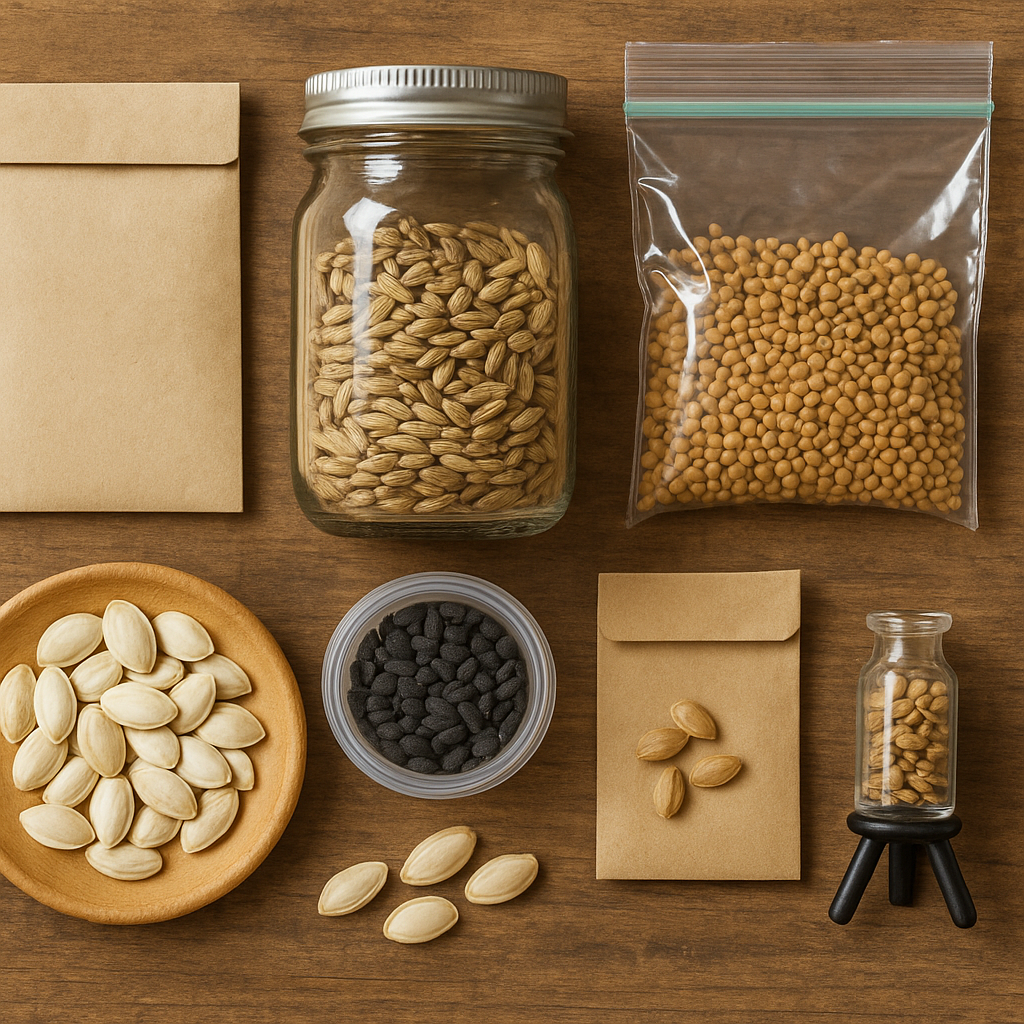
Proper seed preservation is a cornerstone of successful farming, gardening, and biodiversity conservation. When stored correctly, seeds can remain viable for years, ensuring a steady supply of crops, heirloom varieties, and wild species. This guide will walk you through essential practices for achieving long-term seed viability, from initial preparation to advanced storage techniques.
Understanding Seed Viability
Viability refers to a seed’s ability to sprout and develop into a healthy seedling. Several factors influence this critical attribute:
- Moisture content: Excess water accelerates fungal growth and reduces viability.
- Temperature: Fluctuating or high heat shortens a seed’s shelf life.
- Seed maturity: Immature seeds often show poor germination rates.
- Seed health: Damage or pest infestation compromises long-term vigor.
To maximize the chances of successful germination, it’s crucial to control these factors from the moment seeds are harvested.
Preparing Seeds for Storage
Proper preparation lays the foundation for effective long-term preservation. Follow these steps:
- Harvest at the right time: Allow fruits or pods to fully ripen on the plant. This ensures that internal development is complete and moisture levels are optimal.
- Clean thoroughly: Remove chaff, pulp, and husks. Debris can harbor mold spores or insects, reducing overall longevity.
- Dry seeds slowly: Spread seeds in a single layer on trays in a well-ventilated area out of direct sunlight. Aim for a moisture content of 5–8%.
- Test dryness: Place a few seeds in a sealed jar with fresh silica gel. If no condensation forms after 24 hours, seeds are sufficiently dry.
- Label clearly: Record crop variety, harvest date, and origin. Proper documentation is vital if you’re building a personal seed bank.
Choosing the Right Storage Methods
Selecting the correct containers and environment
Seed storage success depends on minimizing exposure to detrimental elements. Key considerations include:
- Airtight containers: Use glass jars with rubber seals, vacuum-sealed Mylar bags, or heavy-duty plastic boxes labeled as airtight.
- Desiccants: Pack silica gel or clay desiccant packets to absorb residual moisture still present in the container.
- Oxygen absorbers: If seeds will remain stored for more than a year, consider oxygen absorber packets to retard oxidation and pest activity.
- Darkness: Store containers in opaque bins or wrap jars in foil. Light can trigger unwanted metabolic processes even at low temperatures.
Temperature and location
Consistent, cool temperatures significantly extend seed viability. Consider these options:
- Refrigerator: Maintain around 1–4°C (34–39°F). Ideal for seeds that will be used within 3–5 years.
- Freezer: For very long-term banking (5–20 years), freeze seeds at –18°C (0°F). Use moisture-proof packaging to prevent ice crystal formation.
- Dedicated cold room: Commercial and institutional seed banks often use climate-controlled vaults set near 0°C (32°F) with low relative humidity.
Monitoring and Testing Stored Seeds
Even under perfect conditions, viability decreases over time. Regular monitoring ensures you know when to replenish your stock:
- Germination tests: Sample a small batch of seeds every 1–2 years. Sow 10–20 seeds in a controlled environment and calculate the germination percentage.
- Record keeping: Track test dates, germination rates, and any observed issues. This data helps you determine ideal replacement intervals.
- Pest inspections: Check containers quarterly for evidence of insects, mold, or rodents.
- Reconditioning: If viability drops below 75%, consider harvesting new seeds from healthy plants to refresh your supply.
By adopting a proactive approach, you safeguard against sudden failures and maintain a robust collection ready for planting.
Special Considerations for Different Seed Types
Various crops demand tailored strategies based on their inherent characteristics:
- Oil-rich seeds (e.g., sunflower, flax): Prone to rancidity. Aim for moisture content below 5% and consider vacuum sealing.
- Large seeds (e.g., beans, peas): Store in mesh bags within a larger sealed container to allow minimal air exchange without trapping moisture.
- Small or fine seeds (e.g., celery, lettuce): Use fine-mesh sachets within sachets of desiccant to prevent loss while ensuring dryness.
- Wild and native seeds: Often require stratification (cold treatment) or scarification (mechanical abrasion) before sowing. Store them separately with clear sowing instructions.
Best Practices for Seed Rotation and Backup
Maintaining genetic diversity and healthy stock demands more than single-location storage. Consider these storage safeguards:
- Multiple locations: Split your collection between separate refrigerators, freezers, or even different buildings to reduce risk of catastrophic loss.
- Seed exchange networks: Collaborate with community gardens, local extension services, or online seed libraries to exchange duplicates.
- Digital records: Maintain spreadsheets or specialized software with detailed inventory, viability data, and sourcing history.
Conclusion
Long-term seed preservation empowers farmers, gardeners, and conservationists to secure food supplies, protect heirloom varieties, and preserve biodiversity. By understanding key factors such as moisture, temperature, and airtight conditions, and by performing regular viability assessments, you can build a resilient seed collection that stands the test of time.