Launching a successful beekeeping venture requires careful planning, dedication, and a genuine passion for the buzzing world of honey bees. This comprehensive guide will walk you through every step, from understanding fundamental concepts to bringing premium honey and related products to market. Whether you aim to supply local farmers with pollination services or create artisanal honey brands, these insights will help you build a thriving operation.
Understanding the Basics of Beekeeping
The Importance of Bees in agriculture and Ecosystems
Bees are the unsung heroes of modern agriculture, performing over one-third of the world’s pollination. Crops such as apples, almonds, blueberries, and cucumbers depend heavily on bee activity. Farmers rely on managed colonies to boost yields, making beekeeping both an ecological necessity and a lucrative business opportunity. Recognizing the role of bees in maintaining biodiversity and ensuring food security is the first step toward establishing a sustainable enterprise.
Essential Equipment and Tools for a New Apiary
Investing in quality gear will save time and protect your colonies from accidental damage. Key items include:
- Hives (Langstroth, Top-bar, or Warre styles)
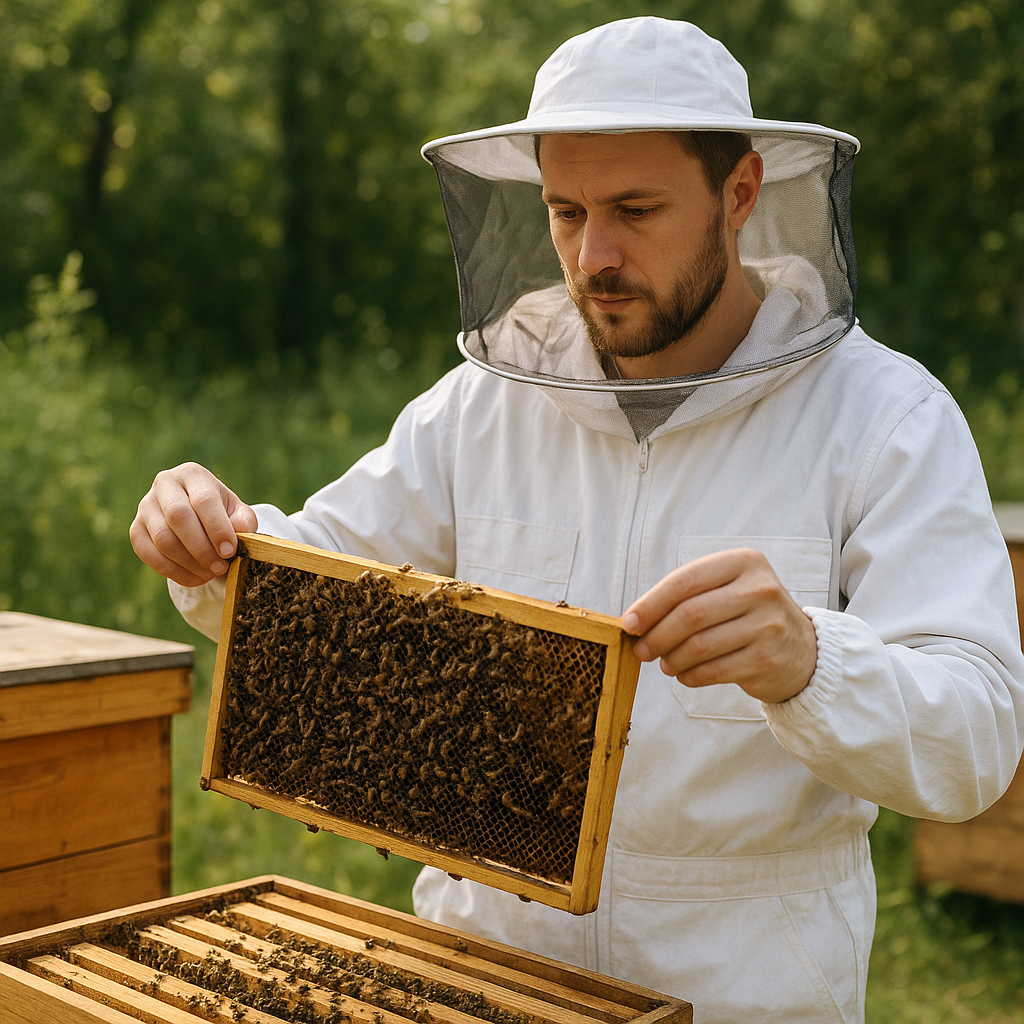
- Protective clothing (bee suit, gloves, veil)
- Hive tools and smokers
- Bees (nuclei or packaged bees)
- Feeders and supplements
- Hive stands and covers
A well-stocked toolkit not only facilitates routine inspections but also enhances colony health by minimizing stress during handling.
Setting Up Your Apiary
Selecting the Right Location
Your apiary location can make or break colony success. Look for:
- Access to diverse forage, including wildflowers and orchards
- Proximity to water sources
- Good drainage to avoid damp hives
- Minimal exposure to pesticides
- Legal compliance with zoning and neighbor concerns
Position hives in partial shade to prevent overheating, and ensure flight paths do not cross high-traffic areas.
Choosing Bee Species and Hive Types
Selecting the optimal bee strain can influence honey production, temperament, and resilience to local pests. Popular choices include Italian bees (gentle and productive) or Carniolans (cold-hardy and adaptable). Pair your choice with a hive type that suits your management style. Langstroth hives are widely used for their modular frames, while top-bar hives offer a low-cost, natural comb-building approach.
Business Planning and Management
Market Research and diversification of Products
Before investing thousands of dollars in colonies and equipment, conduct thorough market research. Identify local demand for:
- Raw and flavored honey
- Beeswax candles and skin-care products
- Pollen supplements and propolis tinctures
- Pollination services for orchards and berry farms
Diversifying your product line reduces risk and captures multiple revenue streams. For instance, beekeepers often package comb honey or create value-added items like honey-infused sauces.
Cost Analysis and Pricing Strategies
Accurately estimating expenses is critical to achieving profitability. Typical cost categories include:
- Startup capital: hives, bees, protective gear
- Ongoing expenses: feed, medications, maintenance
- Equipment upgrades: extractors, bottling lines
- Labor and marketing
Price your products to cover costs while remaining competitive. Evaluate competitor pricing and adjust for premium attributes such as organic certification or unique floral sources.
Hive Maintenance and Health Management
Pest and Disease Control
Effective management of mites (Varroa destructor), wax moths, and foulbrood diseases is essential. Implement integrated pest management (IPM) techniques:
- Regular hive inspections and drone brood removal
- Organic treatments such as thymol or oxalic acid
- Screened bottom boards to reduce mite populations
- Maintaining strong, well-fed colonies to boost natural defenses
Recordkeeping and timely interventions can prevent small issues from turning into colony collapse.
Seasonal Management Practices
Beekeeping is a year-round commitment. Seasonal tasks include:
- Spring build-up: expanding hives and ensuring queen quality
- Summer honey flow: adding supers and monitoring nectar sources
- Fall preparation: feeding, consolidating weak colonies, and checking for disease
- Winter survival: insulating hives and verifying ventilation
Adapting your practices to local climate patterns increases the odds of colony survival and robust yields.
Harvesting and Value-Added Products
Honey Extraction and Bottling Techniques
Extracting honey requires hygiene and precision to ensure purity. Key steps include:
- Uncapping frames with an electric knife or uncapping tank
- Spinning frames in a radial or tangential extractor
- Filtering and settling honey before bottling
Bottling should occur in a clean environment to avoid fermentation. Label jars with harvest date and floral source for consumer transparency.
Producing beeswax and Propolis Products
Beeswax is a versatile byproduct used to create candles, balms, and polish. Propolis, a natural resin collected by bees, offers antimicrobial benefits. Consider:
- Melting wax in a double boiler for filtration
- Adding essential oils to create scented candles
- Processing propolis into tinctures or lozenges
These value-added goods can command higher margins and appeal to health-conscious consumers.
Marketing and Sales Strategies
Branding and packaging Essentials
A strong brand identity sets you apart in a crowded market. Focus on:
- Attractive labels with clear typography
- Eco-friendly packaging materials
- Storytelling that highlights local floral sources or organic methods
Consistency in visuals and messaging fosters trust and loyalty among customers.
Direct-to-Consumer and Wholesale Channels
Establish multiple sales outlets to maximize reach. Options include:
- Farmers’ markets and on-site farm stands
- Local retailers and gift shops
- Online stores and subscription boxes
- Contracting with restaurants or bakeries
Offering small sampler packs and hosting educational workshops can generate additional income and strengthen community ties.