Implementing a sustainable pig farming operation demands careful attention to resource use, animal well-being, and environmental stewardship. By integrating traditional practices with modern innovations, farmers can create a resilient system that supports healthy livestock, protects natural resources, and generates economic value. The following sections outline key strategies to raise pigs in an environmentally conscious and socially responsible manner.
Planning Your Sustainable Pig Farming System
Before establishing or expanding a pig farm, it is crucial to develop a comprehensive plan that balances productivity with ecological integrity. Begin by evaluating the farm’s existing resources, local climate conditions, and regulatory requirements. Site selection should prioritize well-drained soils, proximity to water sources, and enough space for rotational grazing or diversified crop rotations.
Key factors in your planning phase include:
- Site Assessment: Conduct soil tests to measure nutrient levels and pH. Identify areas prone to flooding or erosion and avoid placing buildings in those zones.
- Zoning and Permissions: Verify local zoning laws, environmental regulations, and permits related to nutrient management or waste disposal.
- Resource Inventory: Catalog feedstocks, water availability, renewable energy potentials (e.g., solar or wind), and existing infrastructure.
- Diversity Integration: Plan for integrated farming practices by combining pig production with crop cultivation or agroforestry, which can improve soil fertility and farm resilience.
Housing and Pasture Management
Providing a comfortable and clean environment fosters animal welfare and boosts growth rates. Sustainable housing optimizes energy and material use while reducing waste and pathogens.
Designing Eco-Friendly Shelters
- Use insulated materials made from recycled or locally sourced components to improve thermal regulation and reduce heating or cooling demands.
- Incorporate natural ventilation systems—such as adjustable ridge vents or screened openings—to maintain fresh air and lower humidity.
- Install slatted floors or removable manure pits to simplify cleaning and allow for efficient manure management.
Rotational Grazing and Pasture Care
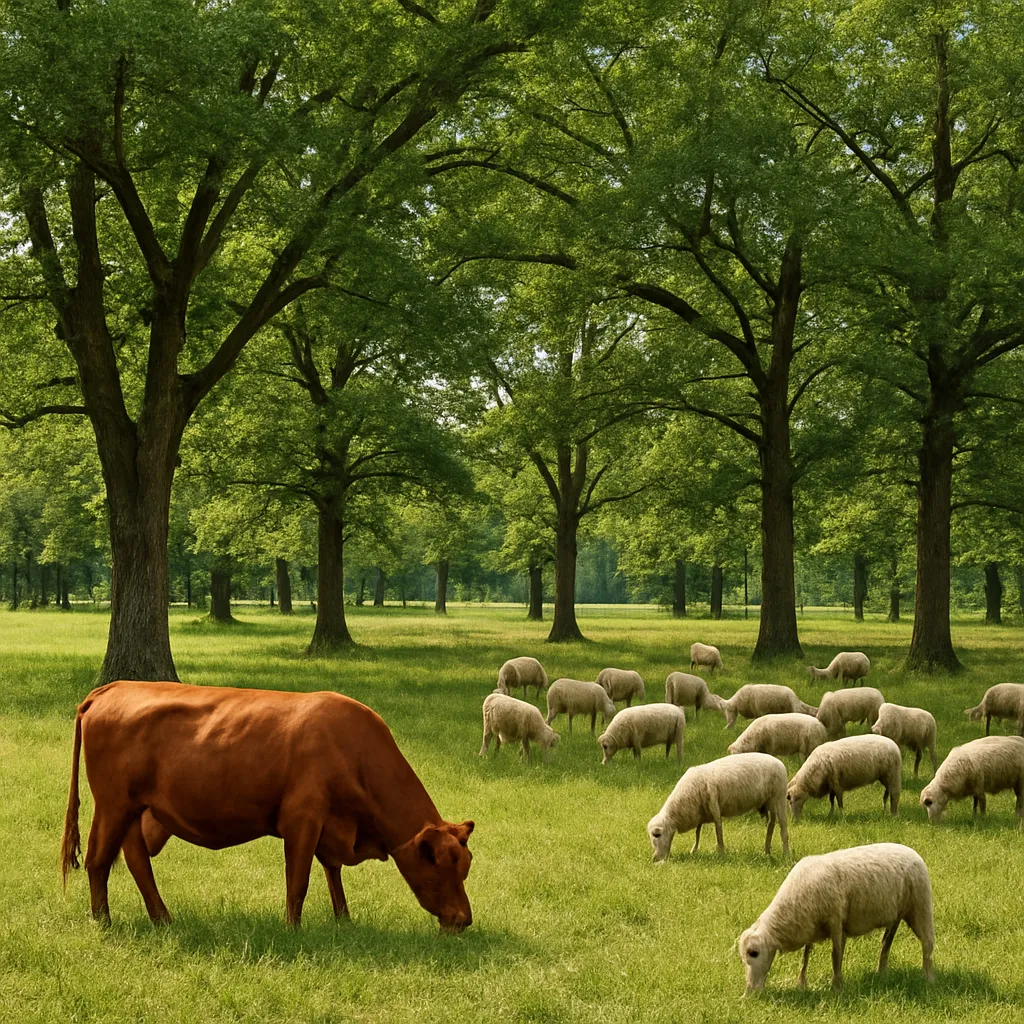
Rotational grazing not only provides pigs with fresh forage but also helps regenerate pastures and minimize parasite loads. Allocate paddocks in a way that allows each section to rest for at least 3–4 weeks between grazing periods. This rest period encourages grass regrowth and enhances ecosystem health.
- Fence paddocks with movable electric wires to control pig movement and reduce fencing costs.
- Interseed pastures with nutrient-fixing legumes (e.g., clovers) to boost soil nitrogen levels.
- Monitor forage height and biomass, aiming to maintain plants at 8–12 inches for optimal pig forage intake.
Nutritional Strategies for Efficiency and Health
Balanced diets are vital to achieving rapid, healthy growth while reducing feed costs and environmental footprint. Efficient feed management maximizes feed efficiency and minimizes nutrient runoff.
Formulating Sustainable Diets
- Incorporate byproducts such as brewers’ grains, vegetable trimmings, or bakery waste to reduce reliance on conventional grains.
- Opt for non-GMO or organic-certified feeds when market premiums justify added costs.
- Include essential amino acids—lysine, methionine, and threonine—to optimize lean tissue deposition and reduce nitrogen excretion.
Supplemental Foraging and Pasture Feeding
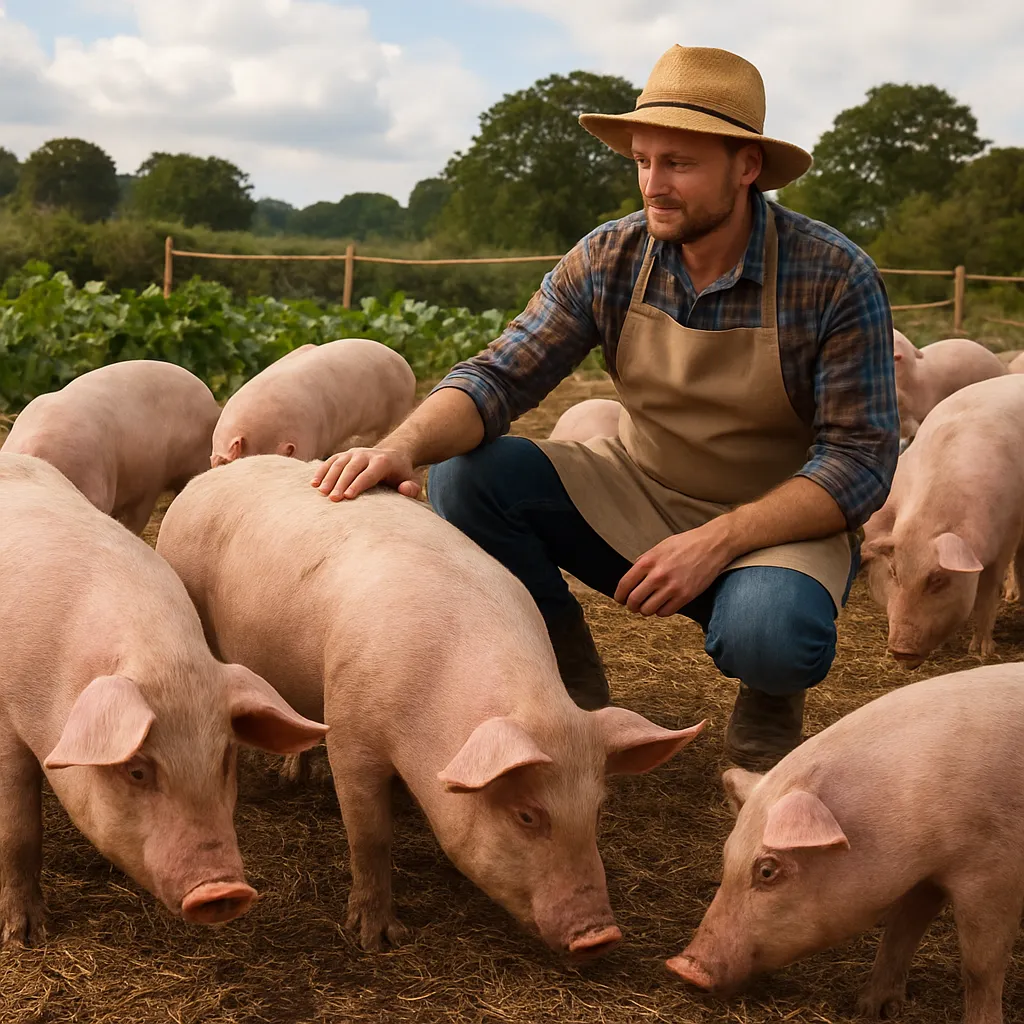
Allowing pigs to forage on pasture delivers fresh greens, roots, and insects, enhancing gut health and providing enrichment. This practice lowers feed bills and improves flavor profiles in pork products.
- Use free-range systems where feasible, rotating pigs through orchards or vineyards to utilize fallen fruit and improve soil structure.
- Plant fodder crops like chicory or sainfoin, which possess natural anthelmintic properties to help control internal parasites.
- Regularly test forages for nutrient content to adjust supplemental concentrate levels accordingly.
Waste Management and Environmental Impact
Effective handling of pig manure and wastewater is essential to prevent pollution and close nutrient cycles on the farm. A well-designed waste management plan can transform byproducts into valuable resources.
Manure Treatment Options
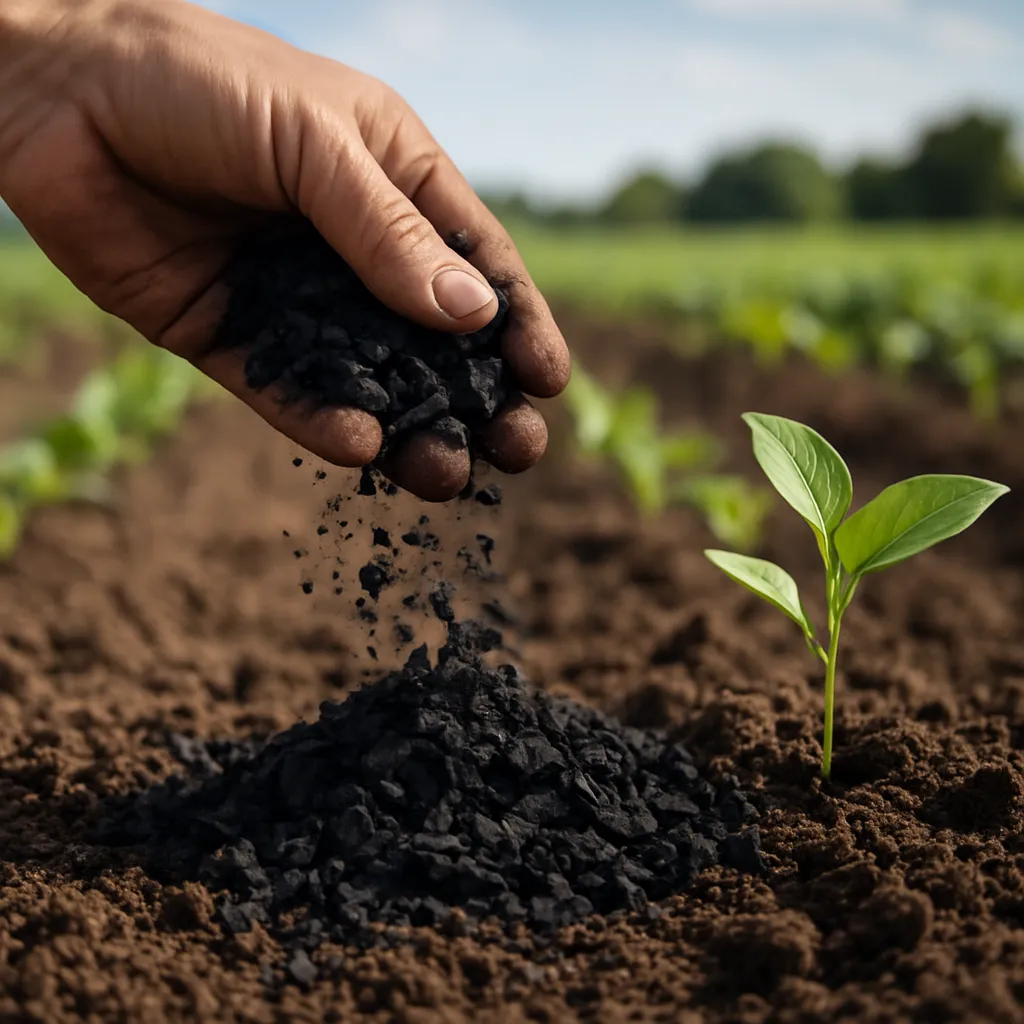
- Composting: Mix solid manure with bedding materials like straw or wood chips. Manage moisture and oxygen to create high-quality compost for crop fertilization.
- Anaerobic Digestion: Convert manure into biogas, producing renewable energy for heating or electricity and yielding digestate as a soil amendment.
- Lagoon Systems: Use lined lagoons to store liquid waste. Nutrients can later be applied to fields at agronomic rates to minimize runoff.
Water Conservation Techniques
- Install low-flow drinkers and automatic systems to reduce spillage and microbial growth.
- Collect rainwater from roofs and direct it to storage tanks for cleaning pens or irrigating pastures during dry spells.
- Implement vegetative buffer strips around paddocks and ditches to filter nutrients before they enter waterways.
Animal Welfare and Biosecurity Measures
Prioritizing pig health and safety not only enhances productivity but also aligns with ethical and consumer expectations. Strong biosecurity protocols protect herds from diseases while ensuring farm longevity.
Health Monitoring and Preventive Care
- Conduct regular veterinary check-ups and maintain up-to-date vaccination schedules to prevent common diseases such as porcine reproductive and respiratory syndrome (PRRS) and swine influenza.
- Implement all-in/all-out group management to reduce cross-contamination between age classes.
- Perform routine fecal testing and parasite monitoring, using targeted treatments only when necessary to avoid drug resistance.
Biosecurity Best Practices
- Establish a perimeter barrier and controlled access points. Provide sanitation stations with footbaths and disinfectants to all visitors and staff.
- Quarantine new or returning animals for a minimum of two weeks to observe health status before integrating them into the main herd.
- Use dedicated clothing, boots, and equipment for each area of the farm to prevent disease spread.
Enrichment and Behavioral Health
Providing pigs with rooting materials, toys, and social interaction reduces stress and improves growth rates. Offer straw bales, hanging chains, or treated wooden blocks to encourage natural behaviors and reduce aggression.
By combining thoughtful design, responsible resource management, and attentive care, farmers can create a pig production system that benefits animals, the environment, and the bottom line. Embracing these sustainable practices paves the way for a more resilient and profitable agricultural future.