Goats have long been prized for their dual-purpose potential, providing both nutrition through rich milk and high-quality meat. Whether you are a hobby farmer or a commercial producer, understanding the fundamentals of goat husbandry can lead to an efficient and profitable operation. This article explores essential topics from choosing the ideal breed to advanced management techniques, ensuring your herd thrives.
Selecting the Right Breed
Choosing a breed that matches your goals is the cornerstone of any successful goat enterprise. Some breeds excel at milk production, while others are optimized for meat. Consider your climate, available space, and market demand before making a decision.
- Dairy Breeds: Alpine, Saanen, Nubian—known for high milk yield and butterfat content.
- Meat Breeds: Boer, Kiko, Spanish—valued for rapid weight gain and muscular conformation.
- Dual-Purpose Breeds: LaMancha, Toggenburg—offer balanced milk and meat performance.
Each breed comes with its own set of requirements. For instance, Nubians thrive in hot climates due to their large, pendulous ears, while Saanens prefer cooler regions. Assess local conditions and consult fellow farmers or extension agents to determine which breed exhibits the best adaptability for your farm.
Comparing Dairy and Meat Characteristics
Understanding key differences helps you tailor management practices. Dairy goats require milking facilities, specialized feeding programs to support lactation, and regular udder health checks. Meat goats, on the other hand, benefit from energy-dense diets to promote lean muscle development and need efficient round-the-clock supervision to optimize genetics for carcass quality.
Housing and Fencing Requirements
A secure and comfortable environment is vital to protect your herd from predators, disease, and extreme weather. Well-designed housing contributes to animal welfare and reduces stress, leading to better productivity.
- Shelter dimensions: Allow at least 15–20 square feet per adult goat to prevent overcrowding.
- Ventilation: Incorporate windows or vents to remove moisture and ammonia.
- Predator-proof fencing: Install woven wire or electric fencing at a minimum height of four feet.
- Drainage: Ensure floors slope slightly to prevent water pooling and enable easy cleaning.
Key Shelter Design Elements
Effective shelter should include raised flooring or bedding systems such as straw or wood shavings to maintain hygiene. Partitioning areas for rest, feeding, and birthing enables targeted care. A separate kidding pen provides a clean, calm area for does to give birth, minimizing stress and disease transmission.
Nutrition and Feeding Strategies
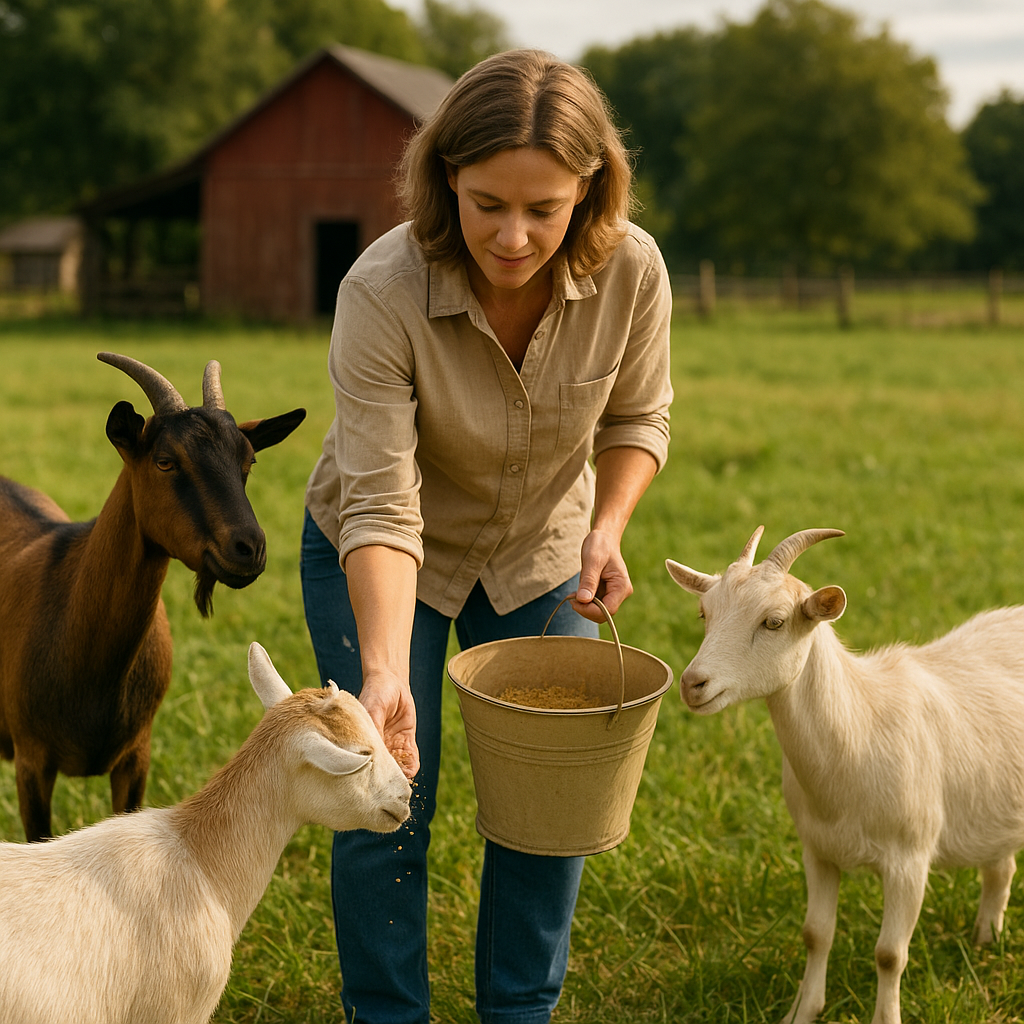
A balanced diet is the backbone of health and productivity. Goats are browsers by nature, preferring a varied menu of leaves, shrubs, and grasses. Providing supplemental feed ensures they meet their nutritional needs, especially during critical phases like gestation and lactation.
- Forage: Fresh pasture or high-quality hay should constitute at least 60–70% of the diet.
- Concentrates: Grain mixes with proper ratios of carbohydrates, proteins, vitamins, and minerals.
- Mineral blocks: Essential sources of calcium, phosphorus, and trace elements.
- Water: Unrestricted access to clean water is crucial for digestion and milk production.
Pasture Management
Implementing pasture rotation prevents overgrazing and controls internal parasites. Divide grazing areas into paddocks and move your herd every 1–2 weeks, depending on forage regrowth. Rotational grazing also promotes sustainability by allowing vegetation to recover and improving soil health.
Health Management and Breeding Practices
An effective health program revolves around disease prevention and proactive care. Early detection of problems can save both lives and costs associated with veterinary treatments.
- Vaccination: Core vaccines include clostridial diseases and caseous lymphadenitis.
- Deworming: Rotate dewormers based on fecal egg counts to combat resistance.
- Hoof trimming: Every 6–8 weeks to prevent lameness and foot rot.
- Biosecurity: Quarantine new arrivals for at least 30 days and disinfect equipment regularly.
Breeding Management
Establish a breeding schedule to optimize kidding periods and milk flow. Monitor doe body condition to ensure they are neither under- nor overweight at breeding. Record pedigrees and performance data to select for superior breeding stock, enhancing herd quality over time.
Milking Techniques and Milk Handling
Consistent milking routines reduce stress on animals and maintain udder health. Whether using hand milking or machines, hygiene is paramount to prevent mastitis and ensure milk quality.
- Pre-milking sanitation: Clean teats with an approved disinfectant.
- Milking routine: Establish a regular schedule (twice daily at consistent times).
- Post-milking care: Dip teats in an antiseptic solution to seal off pathogens.
- Milk storage: Cool fresh milk to 4°C (39°F) within two hours of milking.
Marketing and Profitability Strategies
Diversifying revenue streams can transform your goat enterprise into a thriving business. Consider multiple channels to maximize market reach and income potential.
- Fresh milk sales: Direct-to-consumer or through farmer’s markets.
- Dairy products: Cheese, yogurt, and soap production add value.
- Meat sales: Local restaurants, farm-to-table programs, or community-supported agriculture (CSA).
- Breeding stock: Selling quality kids to other farmers.
Develop a clear business plan, track all expenses, and monitor market trends. Investing in profitability analysis software or consulting an agricultural economist can highlight opportunities to improve margins and scale your operation.