The practice of raising ducks for eggs and meat offers a rewarding path for small-scale farmers and homesteaders alike. With their hardy nature, efficient feed conversion, and adaptability to various climates, ducks can become a valuable addition to any farmstead. This guide explores crucial aspects of duck farming, from initial setup to health protocols and marketing strategies, ensuring you maximize productivity and maintain high standards of animal welfare.
Getting Started with Duck Farming
Embarking on a duck farming venture begins with careful planning. Before purchasing your flock, evaluate your resources, local regulations, and market demand. A well-thought-out plan prevents costly mistakes and sets the foundation for long-term success.
Selecting the Right Breeds
- Muscovy Ducks: Known for lean meat and quieter behavior, ideal for backyard settings.
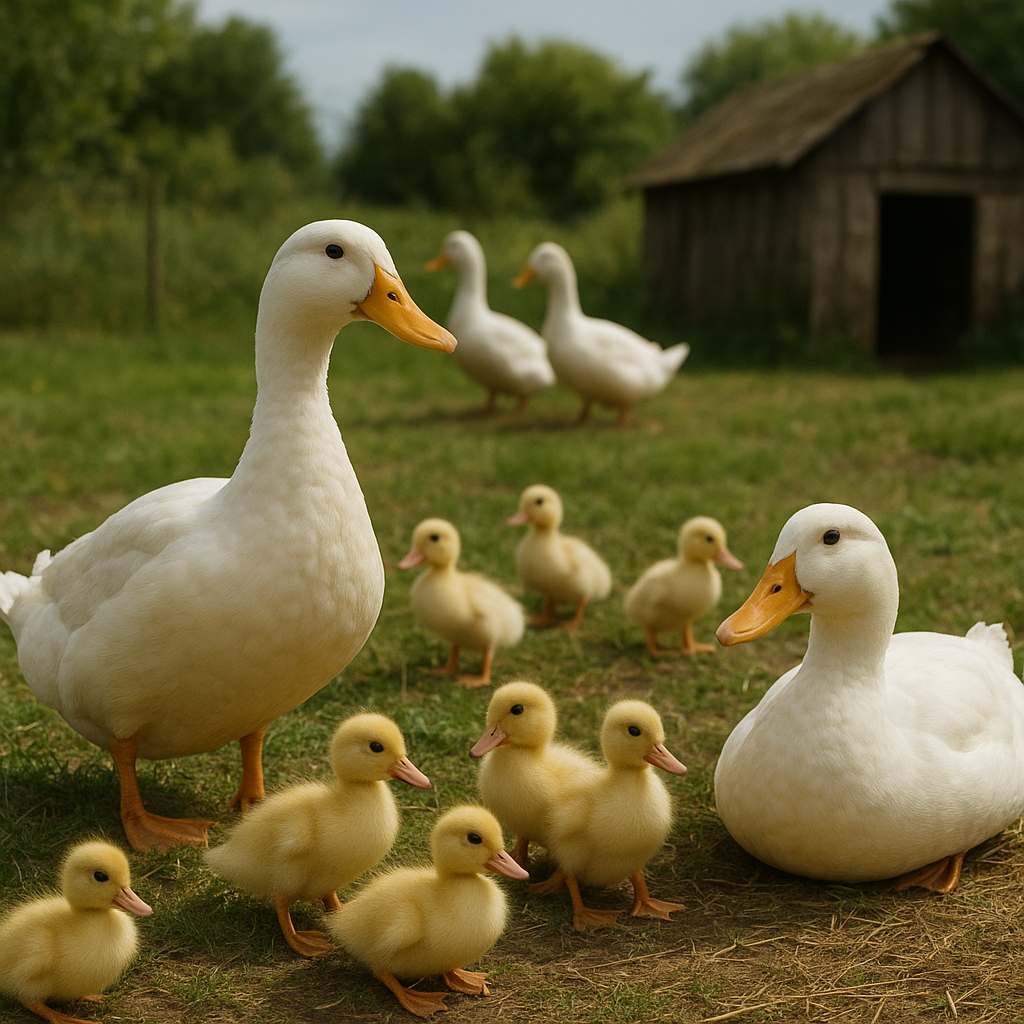
- Pekin Ducks: Popular for rapid growth and high egg production, offering large white eggs and tender meat.
- Khaki Campbells: Prolific layers, capable of producing over 200 eggs per year.
- Welsh Harlequins: Dual-purpose breed with decent meat yield and consistent laying performance.
Assessing Land and Climate
Ensure your property provides enough space to meet welfare standards. Ducks require a balance of dry land and access to water for bathing and foraging. Evaluate seasonal temperature ranges; while ducks are generally hardy, extreme heat or cold may necessitate additional shelter or heating.
Designing Proper Housing and Environment
Effective housing design promotes healthy growth, minimizes stress, and simplifies management. Ducks need shelter from predators, protection from adverse weather, and an environment that accommodates their natural behaviors.
Coop and Shelter Requirements
- Allow at least 4–6 square feet per adult duck inside the coop.
- Install predator-proof latches, hardware cloth, and buried fencing to deter foxes, raccoons, and rodents.
- Provide good ventilation to reduce ammonia buildup, while safeguarding against drafts.
Outdoor Run and Water Features
Ducks thrive with access to open runs where they can scratch and forage. Incorporate a shallow pond or kiddie pool for water activities. Water plays a vital role in maintaining feather condition and overall health. Ensure water sources remain clean and change them frequently to prevent contamination.
Bedding and Flooring
Use absorbent materials such as straw, wood shavings, or hemp bedding to maintain a dry environment. Replace or top-dress bedding at least once a week to control moisture and odor. In outdoor runs, consider gravel pathways to improve drainage and reduce mud.
Optimal Nutrition and Feeding Strategies
Proper nutrition is the cornerstone of productive duck farming. Balanced diets support rapid growth, high egg yield, and strong immune systems. Ducks require diets higher in niacin than other poultry, so ensuring feed formulations address this need is crucial.
Starter, Grower, and Layer Feeds
- Starter Feed (0–6 weeks): 20–22% protein to support ducklings during early development.
- Grower Feed (6–18 weeks): 16–18% protein, gradually transitioning to layer or maintenance rations.
- Layer Feed (Post-lay age): 16–18% protein with added calcium to ensure strong eggshell formation.
Supplementary Foraging and Greens
Allowing ducks to graze on pasture enhances their diet with fresh greens, insects, and grit, improving yolk color and overall health. Plant duck-friendly forage like clover, alfalfa, and grasses. Offer chopped vegetables or garden scraps as occasional treats, avoiding toxic plants like potato leaves or tomato vines.
Water and Grit Management
Always provide ample clean water alongside feed. Ducks need water to swallow dry feed comfortably. Place commercial grit (crushed granite) in a separate feeder to aid digestion and nutrient absorption.
Health Management and Biosecurity
Maintaining flock health safeguards productivity and prevents disease outbreaks. Implement rigorous biosecurity measures to minimize risks posed by visitors, equipment, and wild birds.
Common Duck Diseases
- Avian influenza: High mortality rates—practice strict isolation and monitor for respiratory signs.
- Aspergillosis: Fungal infection linked to moldy bedding—ensure dry, fresh litter.
- Newcastle disease: Neurological symptoms—vaccination programs and quarantines are essential.
- Duck viral enteritis (DVE): Hemorrhagic disease—avoid contact with wild waterfowl.
Sanitation Protocols
Clean and disinfect feeders, drinkers, and housing regularly. Use footbaths at entry points with disinfectant solutions. Designate separate equipment for different flock cohorts to prevent cross-contamination.
Vaccination and Veterinary Care
Consult a qualified avian veterinarian to develop a tailored vaccination schedule. Common preventive vaccines include those for Newcastle disease and duck viral hepatitis. Regular health checks detect early signs of illness and ensure prompt treatment.
Harvesting Ducks for Eggs and Meat
Managing egg production and processing ducks for meat requires strategic planning. By optimizing laying cycles and processing methods, farmers can maximize returns and meet market demands.
Egg Production Management
- Implement consistent lighting schedules (14–16 hours/day) to stimulate laying.
- Collect eggs daily to prevent damage and maintain hygiene.
- Store eggs at 50–55°F with 70–80% humidity to preserve freshness.
- Grade eggs by size and weight to meet market or consumer specifications.
Meat Processing Techniques
Process ducks at 8–12 weeks for optimal meat quality. Follow humane slaughter methods and local regulations. Cooling carcasses rapidly to below 40°F inhibits bacterial growth and preserves taste. Consider on-farm processing facilities or partner with certified processors.
Packaging and Marketing
- Vacuum-seal meat cuts or wrap in butcher paper for extended shelf life.
- Label products clearly with weight, date of processing, and farm information.
- Explore farmers’ markets, local restaurants, and community-supported agriculture (CSA) boxes as sales channels.
- Offer value-added products like smoked duck breasts, pâtés, or duck confit to command premium prices.
Advanced Considerations and Scaling Up
As your operation grows, refine management practices to boost efficiency. Employ record-keeping systems to track feed consumption, production rates, and health interventions. Analyze these metrics to identify areas for improvement.
Equipment Investments
- Automatic feeders and waterers reduce labor and maintain consistent supply.
- Egg incubators support controlled hatching for continuous flock renewal.
- Climate control systems in grow-out houses stabilize temperature and humidity.
Sustainable Practices
Integrate ducks into crop rotations and pest management programs. Ducks excel at controlling slugs, snails, and weeds in orchards and rice paddies. Their manure enriches soil fertility, reducing reliance on synthetic fertilizers.
Continuing Education
Stay updated on the latest research, attend workshops, and network with fellow duck producers. Joining agricultural cooperatives or online forums fosters knowledge exchange and opens opportunities for collective marketing.