Preparing your garden for the upcoming planting season begins with understanding the foundation beneath every thriving crop: the soil. A well-prepared plot contributes to robust root development, improved moisture retention, and stronger yields. By mastering essential techniques—such as nutrient management, structural improvement, and pH adjustment—you set the stage for healthier plants and abundant growth. This guide explores key strategies to transform tired earth into a fertile haven for vegetables, flowers, and grains alike.
Importance of Soil Testing and Analysis
Before making any adjustments, invest time in assessing your field or garden bed. A detailed soil test reveals critical information about mineral levels, organic content, and potential contaminants.
Collecting Accurate Samples
- Use a clean trowel or auger to gather samples from multiple spots at a consistent depth (6–8 inches).
- Avoid areas near compost piles, fences, or driveways to ensure representative results.
- Mix the sub-samples thoroughly in a bucket, then air-dry before sealing in a labeled bag.
Interpreting the Results
Laboratory reports typically list macro- and micro-nutrients, cation exchange capacity, and organic matter percentage. Key takeaways include:
- Low nitrogen or phosphorus indicates a need for targeted fertilizer.
- Excessive potassium can inhibit uptake of other minerals.
- Trace element deficiencies (e.g., iron, manganese) may require chelated applications or foliar sprays.
Improving Soil Structure and Texture
Rich, crumbly soil allows roots to penetrate easily, holds water without waterlogging, and supports beneficial microorganisms. Addressing compaction and poor texture is vital for healthy growth.
Loosening Compacted Ground
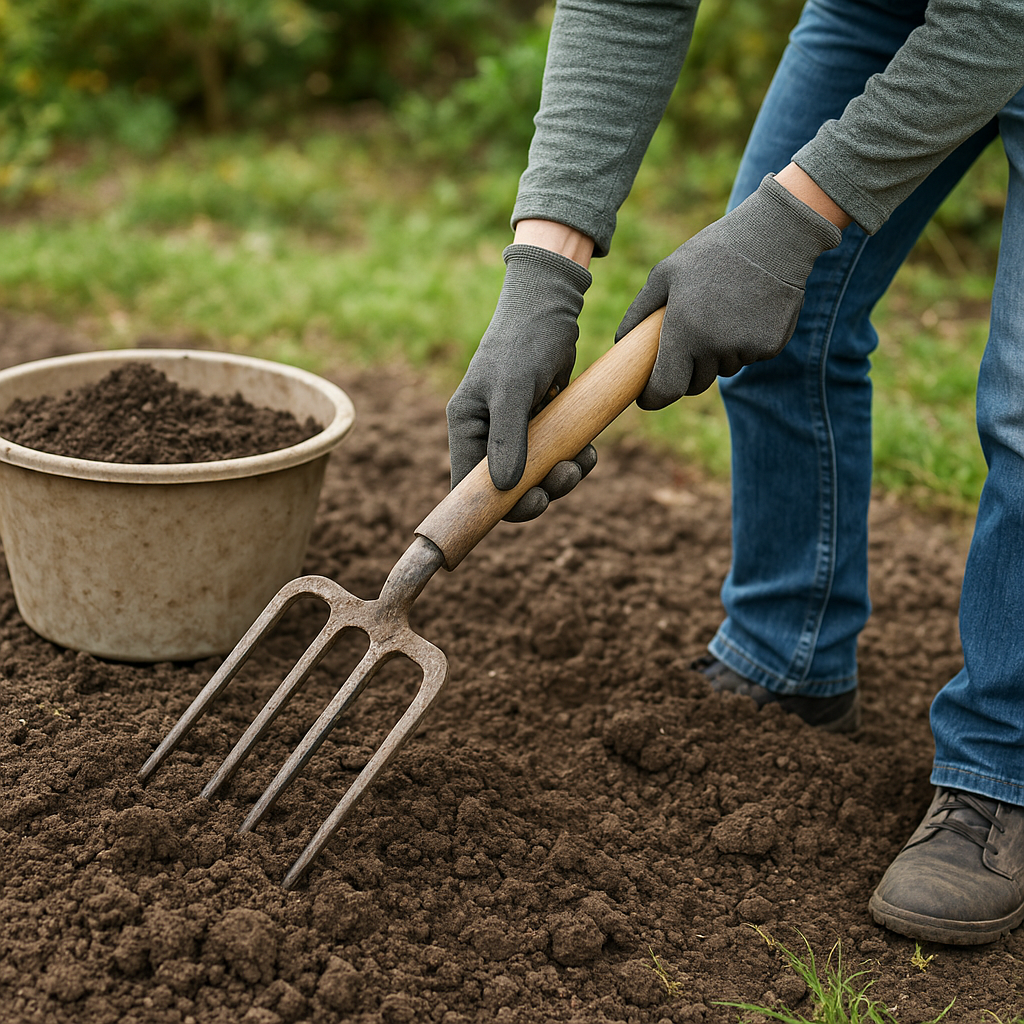
- Perform shallow tilling or use a broadfork to break up dense layers without disturbing deeper ecosystems.
- Rotate heavy equipment paths annually to prevent permanent compaction.
- In raised beds, incorporate coarse sand or perlite to enhance porosity.
Balancing Soil Texture
Ideal planting medium blends sand, silt, and clay in proportions that offer both drainage and water retention. If your garden leans too sandy, add fine organic matter. Clay-heavy plots benefit from coarse materials like grit, plus organic additives for aeration.
Enhancing Soil Fertility with Organic Matter
Incorporating organic refuse and natural amendments fuels microbial activity and slowly releases essential nutrients.
Compost Integration
- Spread a 2–3 inch layer of well-rotted compost over the surface, then gently work it into the top 6–8 inches.
- Compost tea can be brewed and applied as a liquid fertilizer to boost microbial populations.
- Ensure compost ingredients are balanced (greens and browns) to avoid nitrogen drawdown.
Green Manures and Cover Crops
Planting legumes (e.g., clover, vetch) or grasses during off-season enriches the land:
- Legumes fix atmospheric nitrogen, increasing fertility without synthetic inputs.
- Deep-rooted cover crops break up hardpan layers and bring subsoil nutrients to the surface.
- When tilled in, these plants decompose to add bulk organic matter and improve soil structure.
Managing Soil pH and Nutrient Balance
Maintaining the correct pH level maximizes nutrient availability and prevents toxicity. Most vegetables thrive between pH 6.0 and 7.0.
Adjusting Acidity or Alkalinity
- To raise pH (reduce acidity), incorporate agricultural lime (calcitic or dolomitic) based on test recommendations.
- To lower pH (increase acidity), apply elemental sulfur or aluminum sulfate in measured amounts.
- Re-test the soil after 6–12 months to monitor progress and avoid over-application.
Customizing Nutrient Applications
Rather than broadcast synthetic fertilizers blindly, tailor inputs to the crop’s needs:
- High-nitrogen feeders (e.g., leafy greens) benefit from side-dressing with well-composted manure or blood meal.
- Fruit-bearing plants (tomatoes, peppers) require balanced N-P-K ratios and supplemental calcium to prevent blossom end rot.
- Use foliar sprays of chelated micronutrients when soil levels are adequate but uptake is limited by pH or moisture issues.
Preparing the Land: Tilling, Mulching, and Water Management
Final steps before seeding or transplanting involve creating an ideal microenvironment for seeds and seedlings to thrive.
Conventional and No-Till Approaches
- Traditional plowing and harrowing can control weeds but may disrupt beneficial soil life.
- No-till systems preserve soil structure; use cover crop crimping and surface mulch instead of deep turning.
- Strip-till targets only the planting zone, combining the benefits of both methods.
Applying Mulch and Ground Covers
Mulches moderate temperature, conserve moisture, and suppress weeds:
- Organic mulches (straw, wood chips) gradually decompose, adding nutrients and improving topsoil.
- Plastic or biodegradable films can warm the soil early in cool climates, accelerating germination.
- Maintain a consistent 2–4 inch layer without piling mulch against plant stems to prevent rot and pest issues.
Optimizing Irrigation and Drainage
Proper water management prevents both drought stress and root asphyxiation:
- Install drip irrigation or soaker hoses to deliver water directly to the root zone, reducing evaporation losses.
- Grade beds to ensure surface drainage away from plant clusters.
- In heavy soils, raise beds by adding coarse aggregates or constructing frames to improve flow and prevent waterlogging.
Maintaining Healthy Soil Throughout the Season
Soil preparation is not a one-time event but an ongoing commitment. Monitor field conditions, adjust treatments as needed, and keep records of inputs and harvests. By nurturing the ground with thoughtful practices, you will reap richer yields and contribute to sustainable farming ecosystems for years to come.