Preparing a farm to withstand shifting weather patterns demands a strategic blend of innovation, traditional knowledge, and proactive planning. By integrating adaptive practices and cutting-edge tools, farmers can safeguard productivity, ensure long-term resilience, and support sustainability in an unpredictable climate.
Assessing Climate Risks on Your Farm
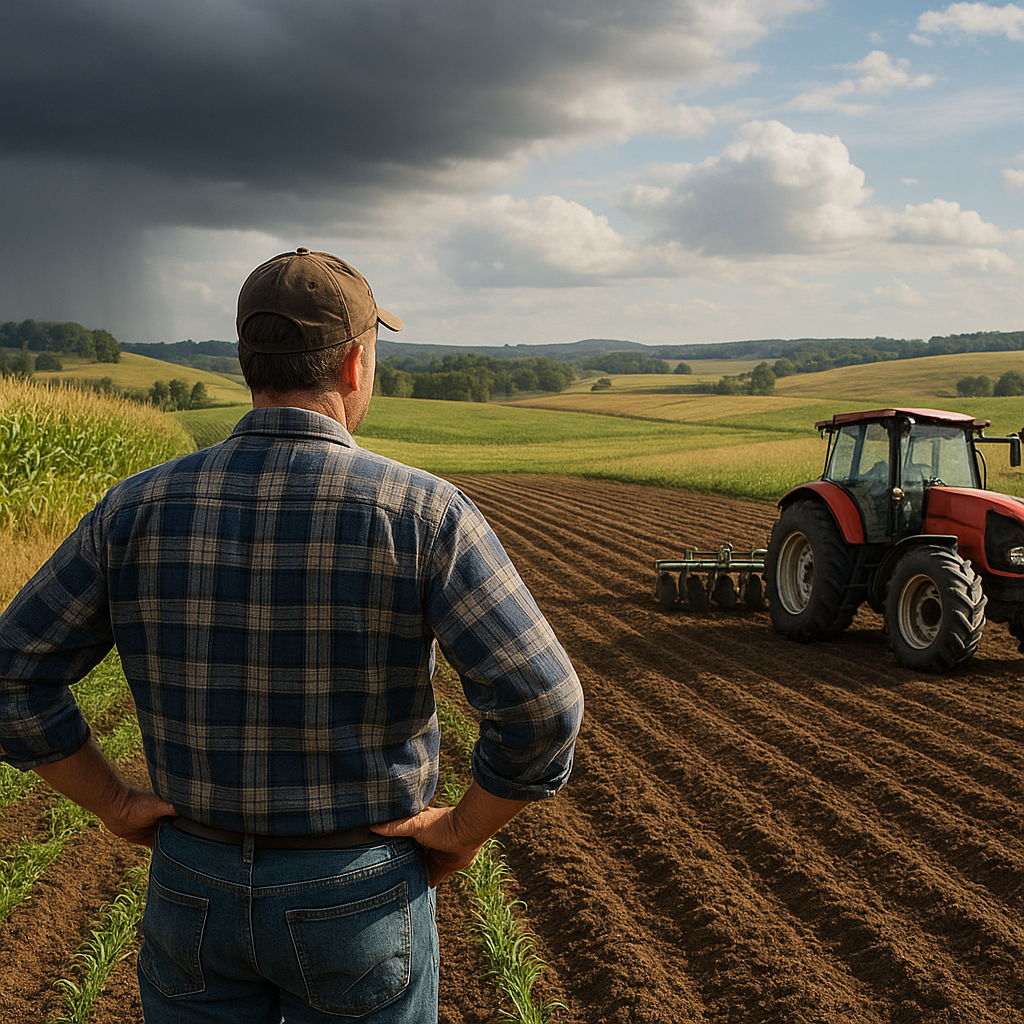
Before implementing new practices, conduct a thorough risk assessment to identify vulnerabilities. Evaluate historical weather data, regional forecasts, and projected temperature changes. Engage with local agricultural extension services for insights into emerging threats, such as prolonged droughts, extreme rainfall, or shifting pest pressures.
- Map high-risk zones prone to flooding or erosion
- Monitor soil moisture levels across fields
- Track temperature anomalies and heatwave frequency
- Survey pest and disease outbreaks over recent seasons
By understanding specific challenges, you can tailor responses—from altering planting dates to restructuring field layouts.
Implementing Water Management Strategies
Rainwater Harvesting
Capturing and storing rainwater reduces dependence on external sources. Install gutters on outbuildings that channel water into storage tanks or cisterns. Properly sized reservoirs ensure you maintain supply during dry spells, bolstering water management capacity and cropping flexibility.
Efficient Irrigation Systems
Drip irrigation and center-pivot systems can significantly boost yield stability by delivering precise volumes of water directly to plant roots. Incorporate soil moisture sensors and automated controllers to:
- Prevent overwatering and reduce runoff
- Minimize energy consumption
- Optimize timing for maximum uptake
Regular maintenance of pipelines, valves, and nozzles further ensures smooth operation during critical growth stages.
Soil Health and Adaptive Crop Choices
Healthy soils serve as a buffer against extreme weather. Enhance soil structure and organic content through:
- Cover cropping with legumes or deep-rooted species
- Reduced tillage to retain moisture and carbon
- Compost and green manures to replenish nutrients
Rotate crops to disrupt pest lifecycles and improve overall fertility. Select drought-tolerant or heat-resistant varieties—such as sorghum, millet, or certain millet hybrids—to thrive under warming conditions. This adaptation not only preserves yields but also spreads risk across diverse crops.
Livestock and Pasture Adaptations
Rising temperatures and erratic rainfall affect both pasture quality and animal welfare. Enhance grazing systems by:
- Implementing rotational grazing to prevent overuse
- Planting mixed-species forage blends that withstand drought
- Providing shade structures and wind shelters for livestock
Monitor water troughs to ensure constant access to fresh water. Adjust breeding and feeding schedules to avoid heat stress during peak summer months. Consider integrating silvopasture—combining trees with grazing land—to offer shade, sequester carbon, and diversify farm income.
Leveraging Technology and Data
Modern tools empower farmers with real-time insights. Use drones or satellite imagery to assess plant health, detect pest infestations early, and estimate yield prospects. Install weather stations on-site to gather hyperlocal data for accurate forecasting.
- Precision agriculture platforms for variable-rate input applications
- Machine-learning models predicting disease outbreaks
- Mobile apps to track livestock movements and pasture conditions
Integrate data into a centralized farm management system to streamline decisions and respond swiftly. Embracing technology enhances operational efficiency and supports proactive interventions.
Building Resilient Supply Chains
Climate shocks rarely occur in isolation; they ripple through processing, transportation, and markets. Strengthen your supply chain by:
- Establishing multiple off-farm processing partners
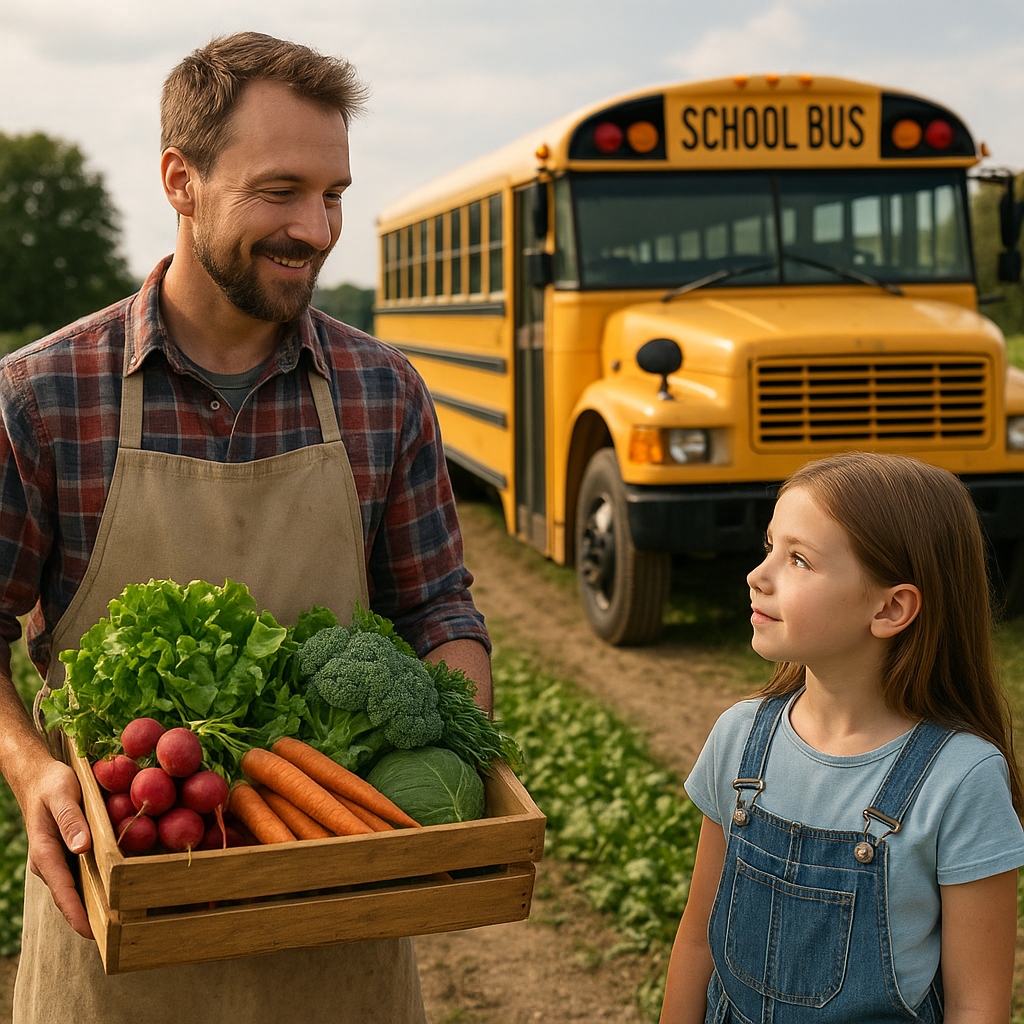
- Developing direct-to-consumer channels for added flexibility
- Creating contingency plans for distribution disruptions
Collaborate with neighboring farms to share resources—such as machinery or storage facilities—during peak stress periods. This cooperative approach fosters community-wide resilience and ensures continuity of supply.
Diversifying Income Streams
Relying solely on traditional cropping can leave farms vulnerable to climate volatility. Explore alternative revenue avenues:
- Agroforestry: integrate fruit or nut trees for long-term returns
- Value-added products: process grains into flours or oils
- Eco-tourism: offer farm tours, workshops, or bed-and-breakfast stays
- Carbon credits: participate in soil carbon sequestration programs
Such diversification not only spreads financial risk but also enhances ecosystem services. By cultivating a mosaic of activities, farmers can adapt to changing conditions while unlocking new market opportunities.