Designing a well-structured crop succession plan can transform a farm’s productivity, enhance soil health, and maximize annual yield. By strategically arranging multiple plantings within a single growing season or across seasons, growers can maintain fertility, suppress weeds, and reduce pressure from pests and diseases. This guide explores the core principles and actionable strategies to develop an efficient succession system tailored to your land’s unique conditions.
Understanding Core Succession Concepts
Successful succession relies on a firm grasp of ecological and agricultural interactions. Adopting the right sequence not only preserves nutrients but also fosters biodiversity and long-term sustainability. Key concepts include:
- Crop diversity: Rotating between plant families breaks pest and disease cycles.
- Rotation: Alternating crops with different nutrient demands prevents soil depletion.
- Cover crops: Fast-growing species such as legumes or grasses reintegrate organic matter between main cash crops.
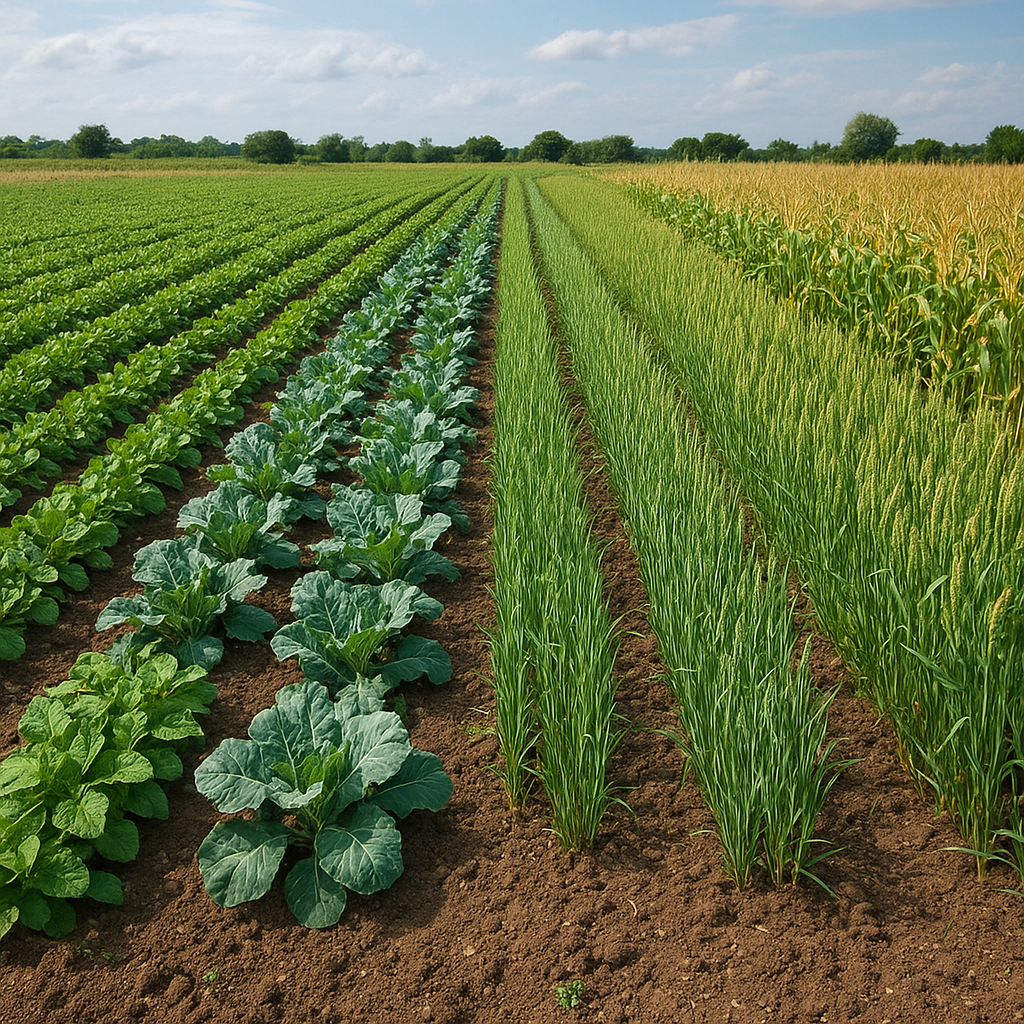
- Intercropping: Growing two or more compatible crops simultaneously to maximize space and resource use.
- Timing and climate adaptability: Matching planting windows to local weather patterns ensures optimal growth periods.
Benefits of Strategic Succession
- Continuous soil protection against erosion.
- Enhanced microbial activity and nutrient cycling.
- Improved water infiltration and moisture retention.
- Reduced reliance on synthetic fertilizers through natural fertility management.
Designing Your Succession Calendar
Putting theory into practice begins with mapping out a calendar that aligns crops according to growth duration, nutrient needs, and market demand. Start by creating a grid that includes:
- Planting dates and harvest windows for each crop.
- Overlap periods for intercropping or relay planting.
- Rest or fallow intervals to allow for soil recovery.
Step-by-Step Planning
- Assess your region’s frost dates and rainfall patterns.
- Select primary crops based on profitability and adaptability.
- Insert fast-maturing vegetables or grains between longer-cycle plantings.
- Incorporate cover crops immediately after harvest to lock in biomass.
For example, a field of early-season peas can be followed by a warm-weather cucurbit, which in turn makes way for a winter-killed mustard cover crop. Such sequences maintain constant ground cover and optimize use of available growing days.
Soil Nutrition and Biological Management
Maintaining a balanced nutrient profile is critical to each successive planting. A combination of organic amendments, precise fertilization, and pest management ensures crops get the elements they need without causing imbalances.
Organic Amendment Strategies
- Apply compost or well-rotted manure before heavy feeders like corn or tomatoes.
- Use green manures—such as clover or vetch—to introduce nitrogen via natural fixation.
- Monitor soil pH and adjust with lime or sulfur for optimal nutrient availability.
Integrated Pest and Disease Control
- Alternate susceptible crops with those that deter common pests.
- Employ trap crops or physical barriers during high-risk succession windows.
- Encourage beneficial insects through flowering strips or habitat zones.
Adapting Succession to Weather and Market Signals
Changing climate patterns and fluctuating market prices require flexibility. A resilient system builds in contingency plans to pivot when unexpected heat waves, droughts, or price dips occur.
Weather-Responsive Adjustments
- Shift planting dates forward or back in response to early warmth or late frosts.
- Select drought-tolerant varieties if rainfall is below average.
- Integrate mulch or plastic covers to conserve moisture during dry spells.
Market-Oriented Tweaks
- Maintain a small buffer of fast-maturing crops to capitalize on sudden price spikes.
- Diversify with specialty or high-value crops that align with consumer trends.
- Scale back low-margin vegetables when input costs rise unexpectedly.
Monitoring, Record-Keeping, and Continuous Improvement
Detailed notes on planting, growth progress, and harvest outcomes inform future rotations. Digital or paper logs help you identify patterns and fine-tune your succession approach year after year.
Key Data Points to Track
- Planting and emergence dates.
- Harvest yield and quality metrics.
- Soil test results before and after each planting.
- Incidence of pests, diseases, or nutrient deficiencies.
Review and Refine
- Analyze which sequences delivered the highest yield and profitability.
- Discard combinations that weakened soil health or invited repeated pest cycles.
- Implement experimental plots to trial new varieties or succession intervals.