Maintaining accurate and organized farm records is a cornerstone of a successful agricultural operation. By implementing a structured system for tracking inputs, outputs, and financial transactions, farmers can enhance productivity, ensure regulatory compliance, and make data-driven decisions that boost profitability and long-term sustainability.
Planning Your Recordkeeping System
Before collecting any data, it is essential to develop a clear plan for your recordkeeping approach. Start by identifying the main categories of information you need to track. Common categories include:
- Crop management (planting dates, seed varieties, fertilizer applications)
- Livestock details (breed, birthdates, health treatments, feed rations)
- Equipment and machinery maintenance logs
- Labor hours and payroll records
- Sales, expenses, and budgeting
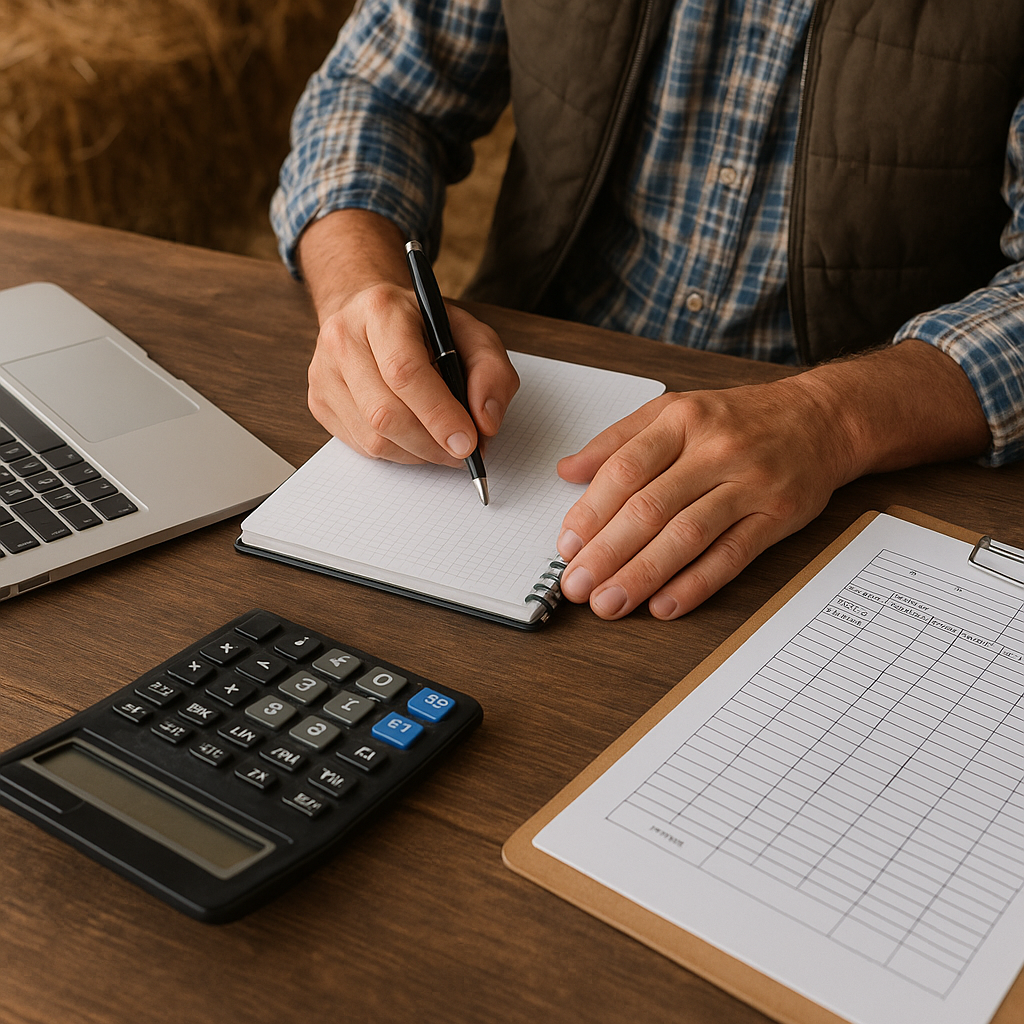
Once categories are defined, decide on a record format. You may choose between paper-based logs, electronic spreadsheets, or specialized farm management software. Regardless of the medium, the following principles will help you establish an efficient framework:
- Consistency: Record data at regular intervals using standardized forms or templates.
- Accessibility: Ensure that whoever needs the records can access them easily—either in a shared drive, cloud platform, or a central binder.
- Scalability: Select tools that can grow with your operation to avoid migrating data later.
- Security: Protect financial and personal data through password protection and secure backups.
Choosing Between Paper and Digital Systems
Each approach has pros and cons. Paper records require minimal technical skills and can be used in remote fields without power or network coverage. However, paper systems can become bulky and are prone to loss or damage. On the other hand, digital systems allow quick data retrieval, automatic calculations, and integration with other tools such as GPS mapping or financial software. Yet, they depend on reliable power sources, internet connectivity, and user training. Weigh your farm’s infrastructure and staff capabilities when choosing the right option.
Daily Data Collection and Management
Effective farm recordkeeping hinges on gathering timely and accurate data. Establishing daily routines for data entry prevents backlogs and reduces errors. Consider the following strategies:
- Daily Activity Sheets. Provide field operators with simple forms to fill out each day, logging tasks such as pesticide applications, irrigation events, or animal feedings.
- Mobile Apps. When using smartphones or tablets, implement apps that allow voice-to-text entries, barcode scanning for inventory, and geo-tagged photos of field conditions.
- Equipment Telematics. Modern tractors and machinery often include GPS and sensor data. Link telematics to your central system to track fuel consumption, engine hours, and field coverage automatically.
- Regular Audits. Assign a team member to review entries weekly. This audit can catch missing records, suspicious anomalies, or incomplete fields before they become bigger issues.
Organizing Financial Transactions
Financial records form the backbone of budget planning and tax reporting. Best practices include:
- Saving all receipts related to seed, fertilizer, veterinary services, and equipment repairs.
- Reconciling bank statements monthly to verify cash inflows and outflows.
- Separating farm accounts from personal finances for clearer bookkeeping.
- Using accounting software or ledgers to categorize expenses into fixed costs (e.g., mortgage, insurance) and variable costs (e.g., fuel, labor).
- Reviewing financial ratios—such as operating expense ratio and working capital ratio—to gauge the farm’s financial health.
Analyzing Records for Decision Making
Collecting data is only valuable when it informs strategy. An effective analysis process transforms raw entries into actionable insights that enhance efficiency and profitability.
- Performance Benchmarks. Compare yields, feed conversion rates, and cost per unit against historical data or industry standards. Identifying underperforming fields or animal groups helps target corrective measures quickly.
- Cost-Benefit Evaluations. When considering new investments—such as precision irrigation systems, greenhouse expansions, or genetic selections—use your records to calculate return on investment and payback periods.
- Risk Management. Analyze variability in yields and prices to assess exposure to weather fluctuations, pest outbreaks, or market downturns. Adequate recordkeeping supports applications for crop insurance and government aid when needed.
- Resource Allocation. By tracking labor hours, fuel usage, and maintenance incidents, you can allocate staff schedules and machinery usage more effectively, minimizing downtime and overlap of tasks.
Visualizing Data for Clear Insights
Raw spreadsheets may overwhelm decision-makers. Enhance clarity by generating graphs and charts that illustrate trends over time. Common visualizations include:
- Line charts showing monthly feed costs per head of livestock.
- Bar graphs comparing seasonal yields across different crop varieties.
- Pie charts representing the farm’s expense distribution.
- Heat maps of field performance based on GPS yield monitor data.
Visual tools help stakeholders—family members, investors, or advisors—grasp key information quickly and align on growth strategies.
Key Takeaway: Well-structured records don’t just preserve history; they pave the way for.