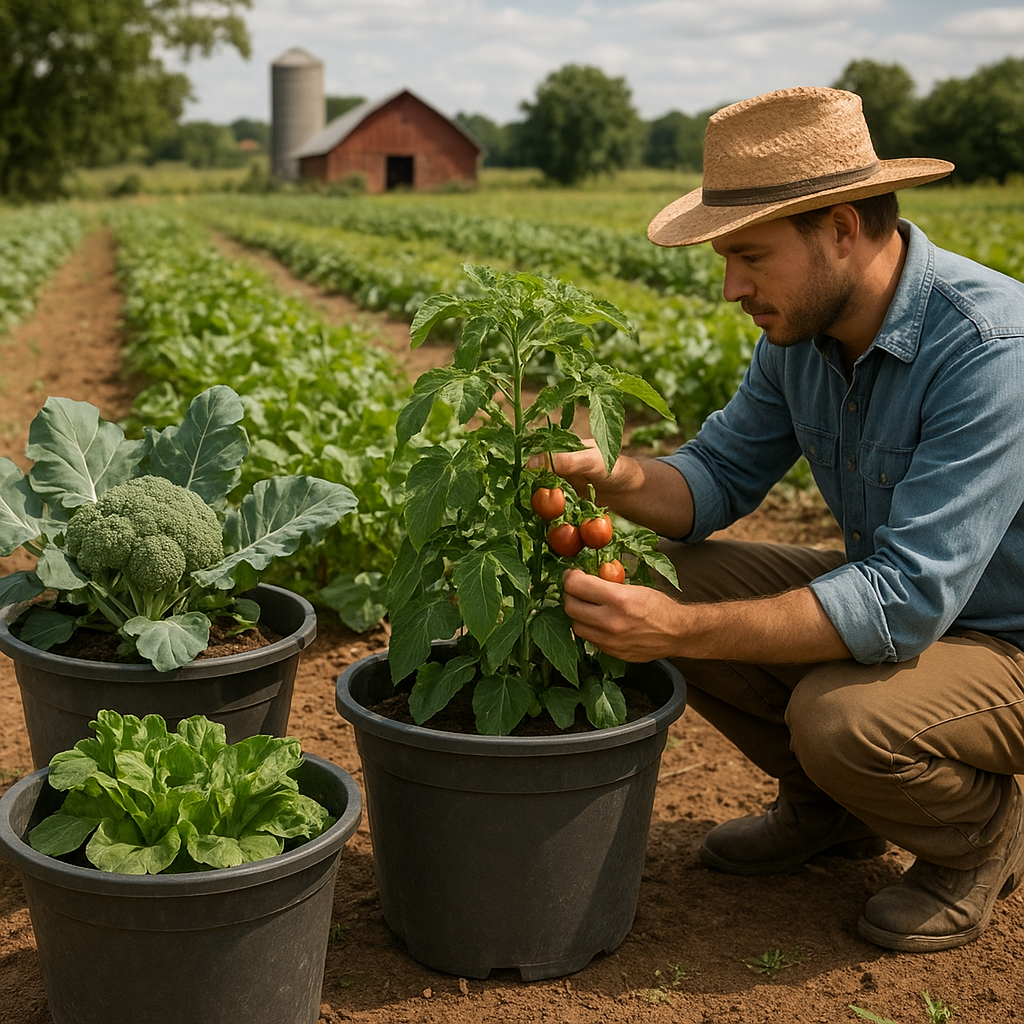
Growing vegetables in containers on a farm offers a practical and **flexible** solution for maximizing space, improving soil control, and experimenting with crop rotations. Whether you manage a large-scale operation or maintain a small market garden, container farming brings the advantages of mobility, reduced weed pressure, and **precision** nutrient management. By understanding key factors such as container selection, potting mix formulation, and proper watering, you can achieve higher **yields** and enhanced crop quality throughout the season.
Site Selection and Planning
Choosing the right location is critical. A well-chosen site ensures optimal **sunlight** exposure, convenient access to water, and easy traffic flow for routine farm chores. Consider these factors:
- Sunlight: Target a spot receiving at least 6 to 8 hours of direct sun daily. Morning light warms up the containers, while afternoon rays drive strong photosynthesis.
- Accessibility: Plan pathways wide enough for wheelbarrows or small tractors. Frequent container moves require clear, level ground to avoid spills or injuries.
- Water Source: Position containers within reach of irrigation lines or hoses. Drip systems demand proximity to water supply and filter stations to maintain consistent **flow**.
- Wind Protection: Strong winds can topple tall containers or damage tender seedlings. Use windbreaks—hedges, fencing, or temporary shade cloth—to buffer gusts.
Effective layout and strategic spacing also help in rotation planning. By grouping crops with similar **nutrient** needs, you can tailor fertilization and minimize cross-contamination of pests or diseases.
Selecting Containers and Growing Media
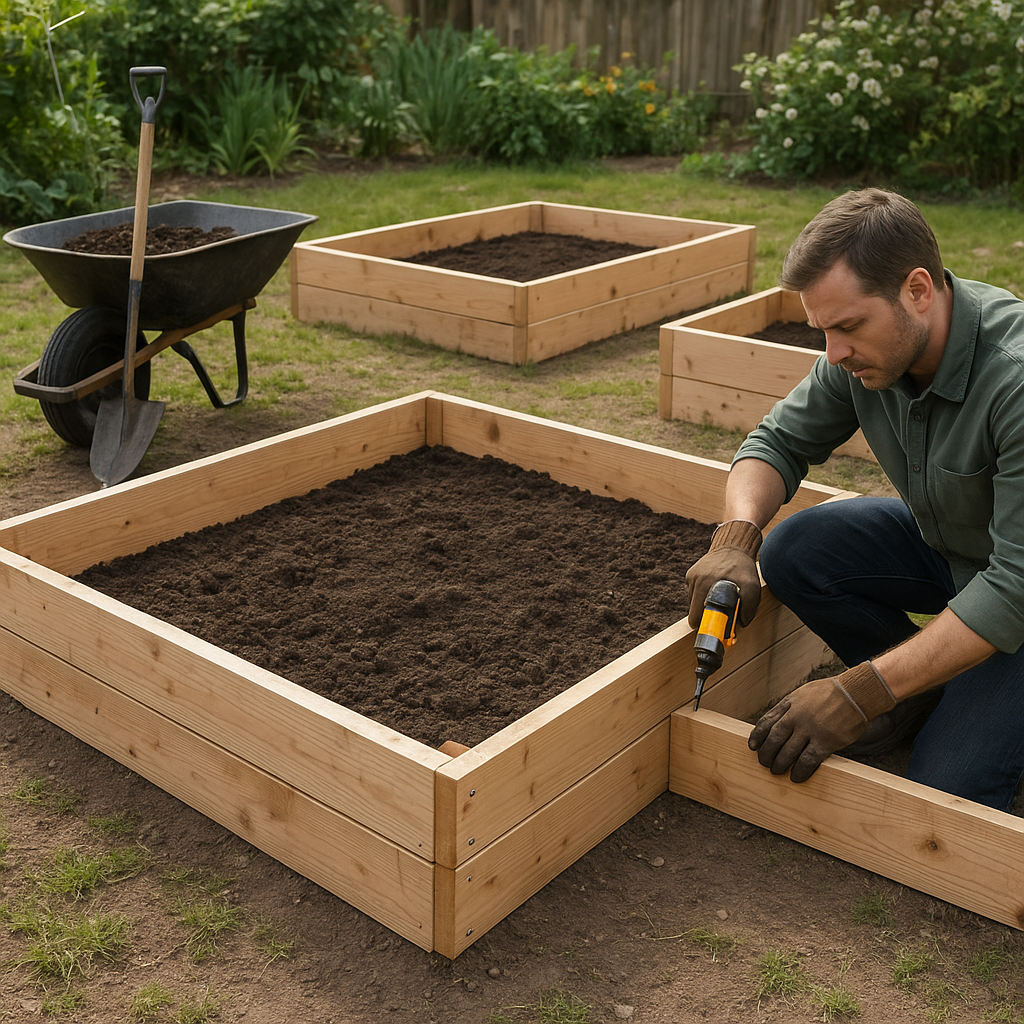
The backbone of container vegetable production lies in the right vessel and potting mixture. Containers must support root development, drainage, and nutrient retention:
Container Types
- Plastic Pots: Lightweight, affordable, and widely available. Ensure they have adequate **drainage** holes.
- Fabric Grow Bags: Promote air-pruning of roots and prevent root circling. They dry faster, so water requirements increase.
- Wooden Boxes: Durable and insulative. Line interiors to prevent rot and leaching of **toxins** from treated lumber.
- Recycled Containers: Food-grade barrels or buckets. Drill holes for drainage and verify material safety for edibles.
Potting Mix Composition
A balanced soilless mix ensures proper aeration, moisture retention, and fertility:
- Peat Moss or Coco Coir: Base ingredient for water-holding capacity and structure.
- Perlite or Vermiculite: Improves **aeration** and drainage.
- Compost: Supplies organic matter and beneficial microbes.
- Slow-Release Fertilizer: Provides steady nutrients over several weeks.
Adjust the ratio according to the crop: heavier feeders like tomatoes benefit from higher **nutrient** loads, while root vegetables prefer lighter mixes.
Planting Techniques and Crop Selection
Container farming allows you to grow a diverse range of vegetables. Key considerations include root volume, water demand, and support needs:
Crop Recommendations
- Leafy Greens: Lettuce, spinach, and kale thrive in shallow containers (6–8 inches deep). Harvest continuously to promote regrowth.
- Tomatoes and Peppers: Use large pots (15–20 gallons) with sturdy stakes or cages. Maintain consistent moisture to prevent blossom end rot.
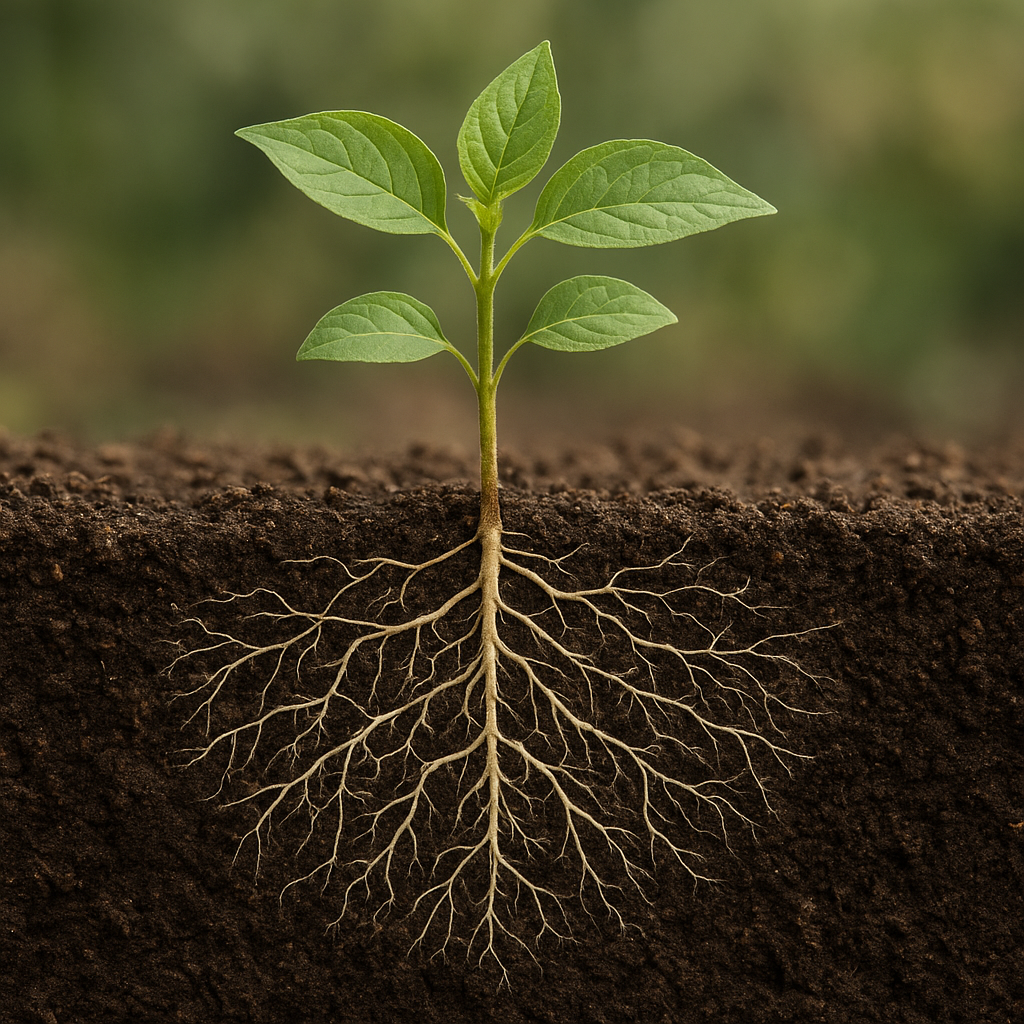
- Root Vegetables: Carrots, beets, and radishes require deeper containers (12–15 inches) filled with loose mix.
- Vining Crops: Cucumbers and beans can climb trellises attached to container frames, saving ground space.
Sowing and Transplants
- Direct Seeding: Ideal for radishes, carrots, and peas. Sow thinly and thin seedlings to prevent crowding.
- Transplants: Best for tomatoes, peppers, and brassicas. Harden off seedlings before moving outdoors to reduce shock.
- Spacing: Follow seed packet guidelines but adjust for container size. Overcrowding leads to poor air circulation and disease.
Irrigation and Nutrient Management
Containers dry out more quickly than ground beds, demanding a precise **irrigation** schedule and regular feeding:
Irrigation Systems
- Drip Lines: Deliver water directly to the root zone with minimal waste. Use pressure regulators and timers for consistency.
- Self-Watering Containers: Have built-in reservoirs that reduce watering frequency by up to 50%.
- Hand Watering: Suitable for small setups. Water deeply until you see runoff, ensuring uniform wetting of the mix.
Fertilization Strategies
- Liquid Feeds: Apply every 1–2 weeks during active growth phases with a balanced N-P-K solution.
- Slow-Release Pellets: Mix into the potting medium at planting for continuous nutrient release.
- Foliar Sprays: Offer micronutrients and trace elements directly to leaves, correcting early deficiencies.
Test the pH of your irrigation water and growing medium periodically. Aim for a slightly acidic to neutral range (6.0–7.0) for most vegetables.
Pest Management and Environmental Control
Container-grown crops can face unique pest and disease pressures due to reduced biodiversity. Integrated Pest Management (IPM) principles help maintain a **healthy** environment:
- Cultural Controls: Rotate crops between seasons. Sterilize empty containers and discard old potting mix to avoid pathogen buildup.
- Physical Barriers: Floating row covers protect young seedlings from flea beetles, aphids, and moth larvae.
- Biological Agents: Introduce beneficial nematodes, predatory mites, or ladybugs to curb pest populations naturally.
- Organic Sprays: Use insecticidal soaps or horticultural oils, ensuring thorough coverage of leaf undersides.
Monitor regularly for early signs of stress, yellowing leaves, or insect damage. Swift action prevents small issues from becoming large infestations.
Harvesting and Scaling Your Operation
Timely and proper harvesting maximizes flavor and market value. Different crops have specific cues:
- Leafy Greens: Harvest outer leaves when they reach 4–6 inches. Continual picking encourages new growth.
- Tomatoes: Pick at the first sign of color, allowing off-the-vine ripening for better flavor.
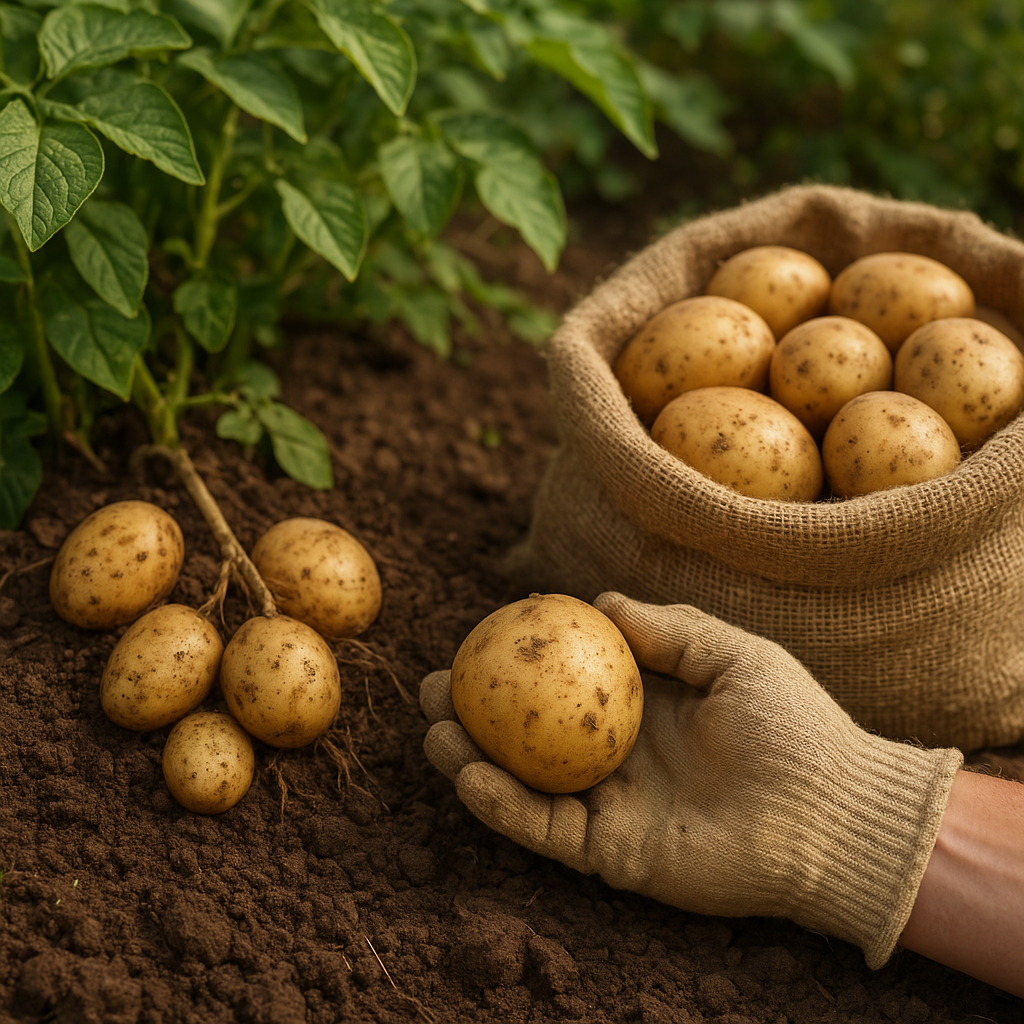
- Root Crops: Harvest when roots reach marketable size; wash and cure before sale.
- Cucumbers and Squash: Pick young and tender to avoid tough rind or oversized fruit.
To scale up, consider modular bench systems or mobile container racks on wheels. This design lets you adjust density and move crops into protected zones during extreme weather, ensuring steady production and reduced risk of crop losses. By applying structured planning, precise resource management, and sound **sustainability** practices, container-based vegetable farming can deliver consistent profits and environmental benefits on a commercial scale.