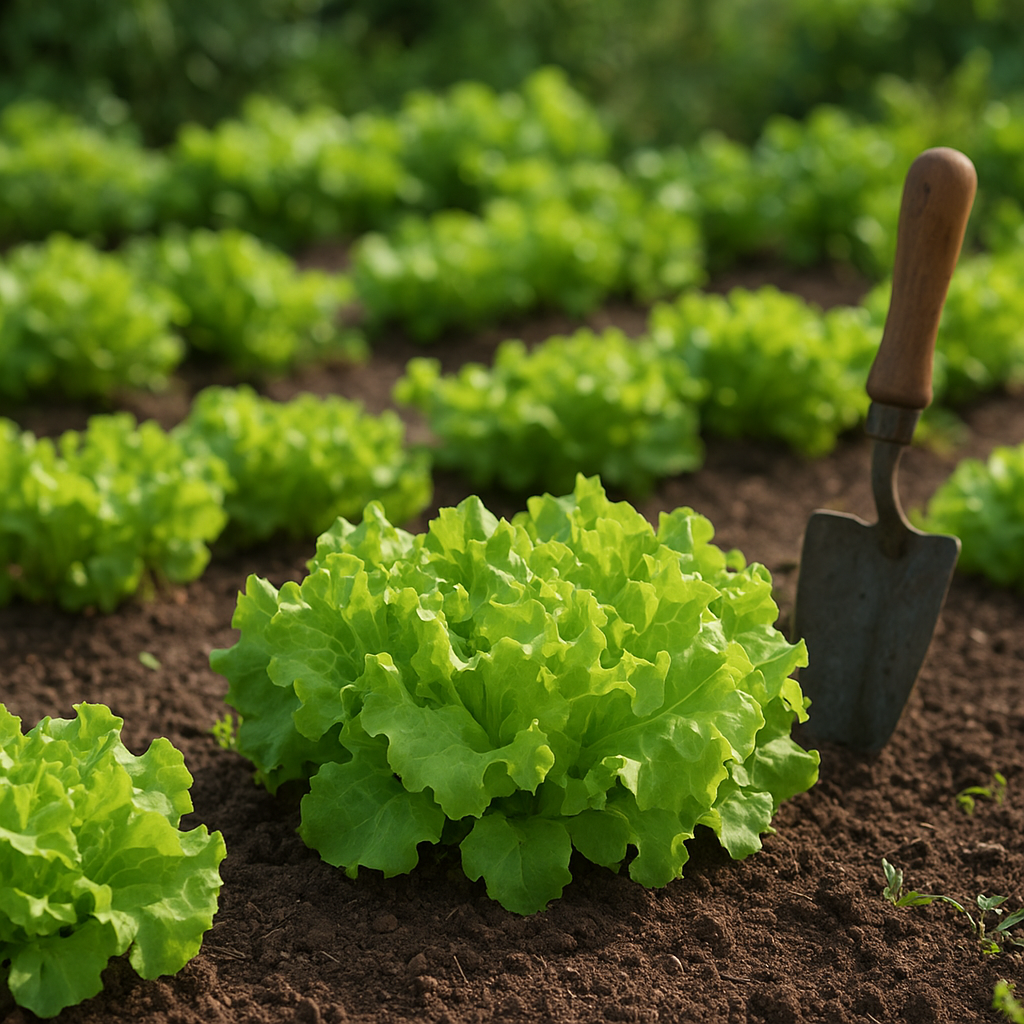
Growing healthy, vibrant lettuce throughout the entire year can transform a simple home garden or a commercial farm into a continuous source of fresh, flavorful greens. Mastering this art demands understanding the fundamentals of organic cultivation, balancing nutrients, and tailoring the environment to seasonal shifts. Whether you’re planting in raised beds, a greenhouse, or exploring hydroponics setups, the principles remain consistent: choose the right varieties, build rich soil, maintain optimal pH levels, and protect your crop from stress and pest challenges. Below, explore the core strategies to achieve reliable, year-round success with your lettuce crops.
Selecting the Right Lettuce Varieties
Not all lettuce types thrive equally across seasons. To ensure a near-continuous harvest, diversify your selections with varieties suited for cooler and warmer conditions.
Cool-Season Varieties
- Crisphead types such as ‘Great Lakes’ perform well in early spring and late fall, tolerating light frosts without bolting.
- Butterhead lettuces like ‘Buttercrunch’ offer tender leaves and can withstand temperatures down to near-freezing with minor protection.
- Oakleaf cultivars, with their lobed leaves, handle cooler nights and deliver good flavor and texture.
Warm-Season Varieties
- Looseleaf types such as ‘Red Sails’ or ‘Salad Bowl’ flourish in spring’s warmth and early summer, maturing quickly before heat stress sets in.
- Romaine or Cos lettuces like ‘Parris Island Cos’ tolerate moderate heat and remain crisp in warmer climes.
- Heat-resistant hybrids specially bred for summer production can extend your harvest window.
Preparing Soil and Nutrient Management
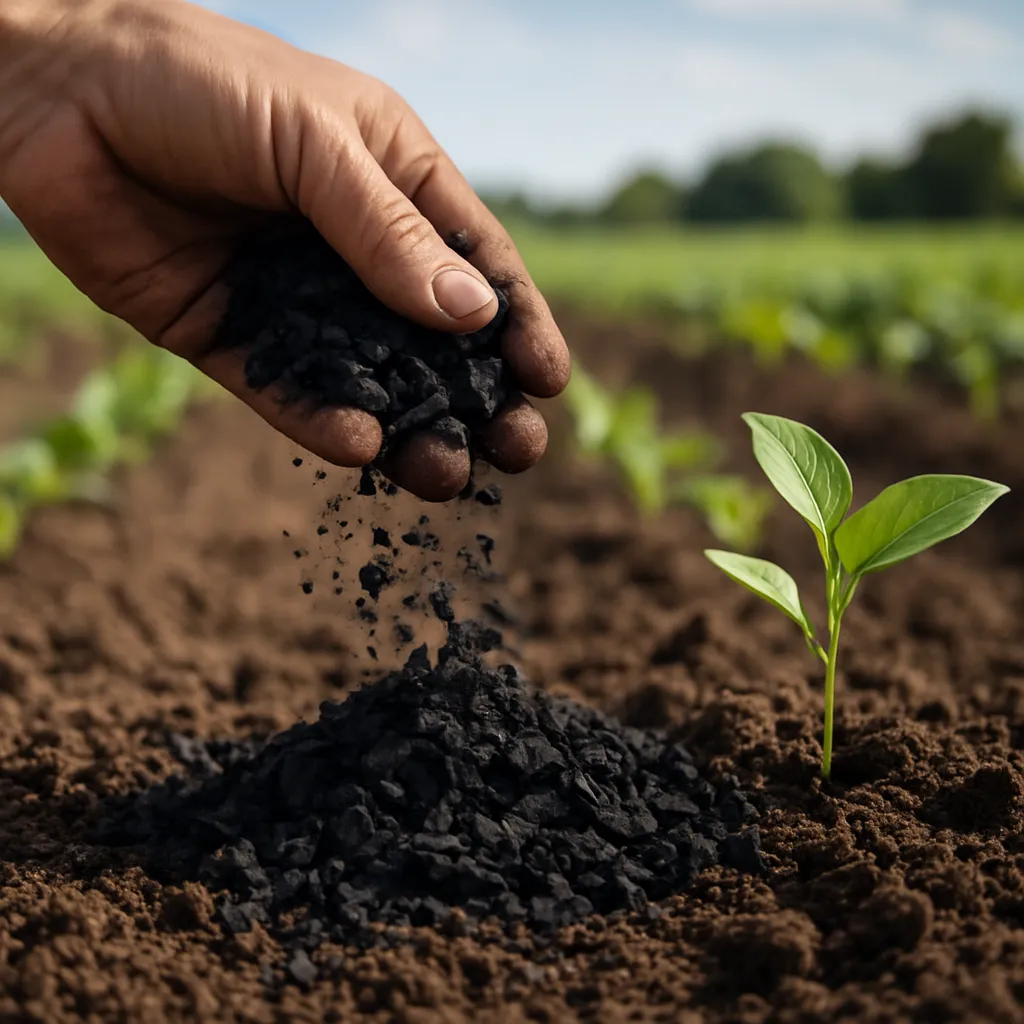
Healthy soil rich in organic matter is the foundation for bountiful lettuce. Improving soil structure, fertility, and microbial life sets the stage for vigorous growth.
Building Fertile Soil
- Incorporate well-aged compost at least two weeks before planting, aiming for 5–10% organic content in the top 6–8 inches of bed.
- Rotate lettuce with legumes or cover crops like clover to boost nitrogen through natural fixation.
- Test and adjust soil pH to the ideal range of 6.0–6.8. Use agricultural lime to raise pH or sulfur to lower it, applied several weeks ahead of planting.
Supplemental Nutrient Strategies
- Side-dress with organic amendments such as fish emulsion or worm castings every 3–4 weeks for a slow, steady nutrient release.
- Employ foliar sprays of diluted seaweed extract to support early seedling vigor and stress resilience.
- In hydroponics, maintain an electrical conductivity (EC) level of 1.2–1.8 mS/cm and regularly monitor nutrient solution for calcium and potassium balance.
Creating an Optimal Growing Environment
Controlling temperature, humidity, and light allows you to minimize seasonality and maximize lettuce output.
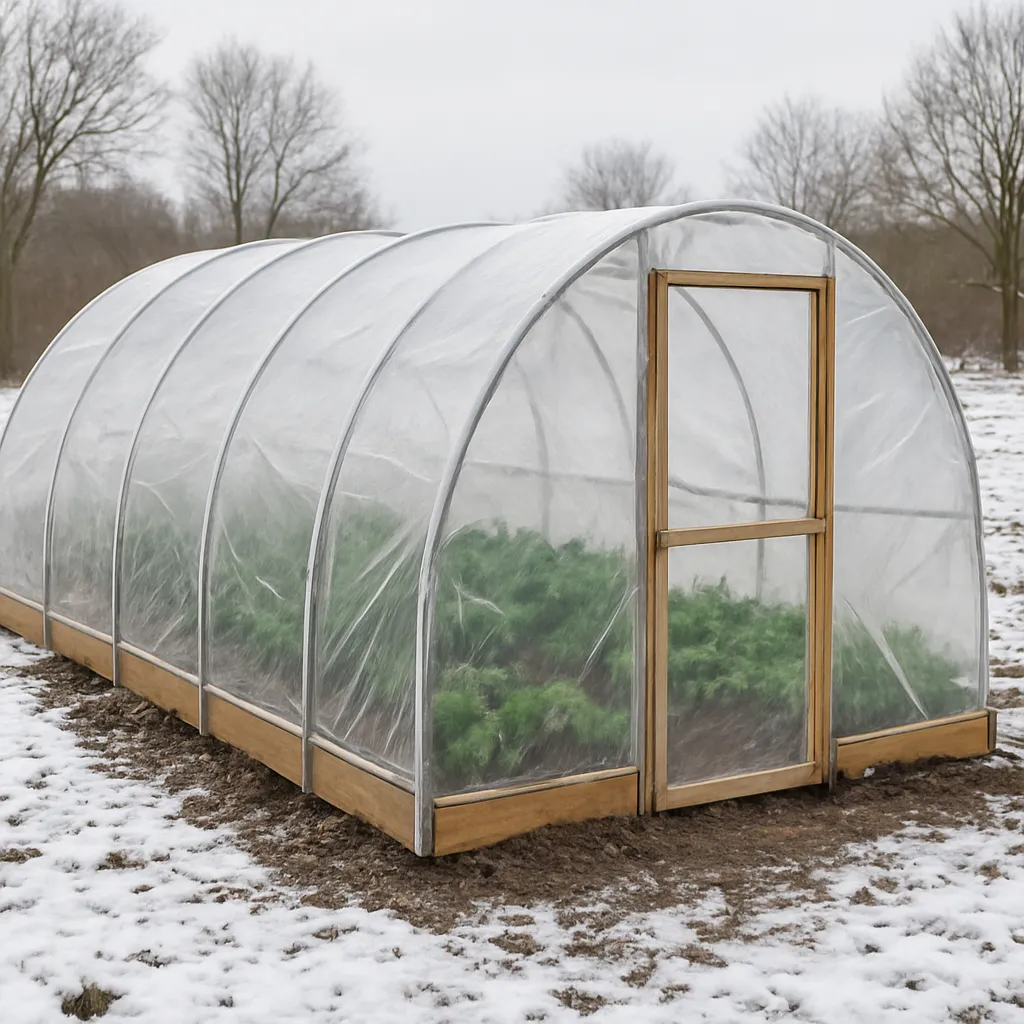
Greenhouse and High Tunnel Techniques
- Install shade cloth (30–50%) for summer to prevent bolting under intense sun.
- Use row covers or thermal blankets during winter nights to maintain minimum temperatures above 40°F (4°C).
- Ventilation and fans help reduce humidity spikes that encourage disease such as downy mildew.
Outdoor Season Extension
- Deploy low tunnels (hooped plastic) to trap heat in early spring or late fall.
- Interplant lettuce with taller crops (corn, sunflowers) to establish a microclimate of partial shade in hot months.
- Apply reflective mulches that bounce light onto the crop for more uniform growth and reduced weed pressure.
Sowing and Transplanting Techniques
Whether direct-seeding or transplanting seedlings, timing and spacing are crucial to avoid overcrowding and bolting.
Direct Seeding
- Sow seeds at ¼ inch depth, spaced 1–2 inches apart in rows 12–18 inches apart.
- For a steady supply, sow every 2 weeks, adjusting intervals to shorter spans (10 days) in cool weather and longer (3 weeks) in heat-prone periods.
- Keep soil consistently moist until germination, which takes 7–14 days depending on temperature.
Transplanting Seedlings
- Start seeds indoors or in flats under grow lights, maintaining 65–75°F for optimal germination.
- Harden off seedlings over a week by gradually introducing them to outdoor conditions.
- Transplant when seedlings reach 3–4 true leaves, spacing 6–8 inches apart for looseleaf or 10–12 inches for head-forming types.
Pest and Disease Management
Proactive cultural practices combined with targeted organic controls help keep common challenges at bay.
Preventive Measures
- Rotate crops away from other brassica-family vegetables to break pest cycles.
- Encourage beneficial insects (hoverflies, lacewings) by planting companion flowers such as marigolds and alyssum.
- Maintain field hygiene by removing debris and rogue plants to reduce overwintering disease reservoirs.
Organic Control Options
- Use neem oil or Bacillus thuringiensis (Bt) sprays for caterpillars and loopers damaging leaves.
- Apply diatomaceous earth around young plants to deter slugs and snails, reapplying after rain.
- Choose copper-based or botanical fungicides at the first sign of downy mildew or leaf spot, following label rates carefully.
Harvesting and Post-Harvest Handling
Timely harvest and proper handling maintain the crispness and flavor that fresh lettuce demands.
Harvest Timing
- Pick looseleaf varieties when outer leaves reach 4–6 inches, harvesting every few days for continuous regrowth.
- Cut head lettuces at the base once firm heads form, usually 45–60 days after planting.
- Early morning harvest preserves turgor pressure, yielding the crispiest leaves.
Post-Harvest Care
- Immediately cool harvested lettuce to 32–36°F in a shaded, humid area to prevent wilting.
- Rinse gently in cool water to remove debris, then spin or air-dry on clean racks.
- Store in perforated plastic or mesh containers with high humidity (95–98%) and moderate airflow for up to two weeks.