Growing organic berries is a rewarding journey that combines practical knowledge with a passion for sustainable agriculture. By focusing on natural methods and eco-friendly practices, you can cultivate nutrient-dense fruits that delight the palate and support the environment. This guide explores every stage, from selecting the ideal varieties to mastering harvest techniques.
Choosing the Right Berry Varieties
Selecting proper cultivars is the foundation of a thriving berry patch. Different species offer unique flavors, growth habits, and environmental tolerances.
Soil Preferences and pH
Most berries prosper in well-drained, loamy soils. A pH between 5.5 and 6.5 suits strawberries, blueberries, raspberries, and blackberries. Regular testing ensures a nutrient-rich medium that promotes vigorous root development and abundant fruit.
Climate and Hardiness Zones
Each berry type demands specific temperature ranges. Blueberries thrive in cooler regions, while blackberries tolerate warmer climates. Consult local hardiness maps to match varieties with your area, optimizing flowering time and yield.
Disease-Resistant Cultivars
Selecting disease-resistant strains reduces reliance on treatments. Look for varieties labeled resistant to common afflictions such as verticillium wilt or powdery mildew. This choice enhances overall biodiversity in the garden.
Preparing Your Planting Site
Proper preparation sets the stage for healthy plants. Site selection and soil amendments are critical steps before planting.
Testing Soil Composition
Conduct a comprehensive soil analysis to measure nutrient levels and pH. Kits or lab services reveal deficiencies in nitrogen, phosphorus, and potassium, guiding informed amendments.
Adding Organic Amendments
Incorporate well-aged compost to boost microbial activity. Organic matter improves water retention and soil structure. For acid-loving plants like blueberries, apply elemental sulfur to lower pH.
Establishing Proper Drainage
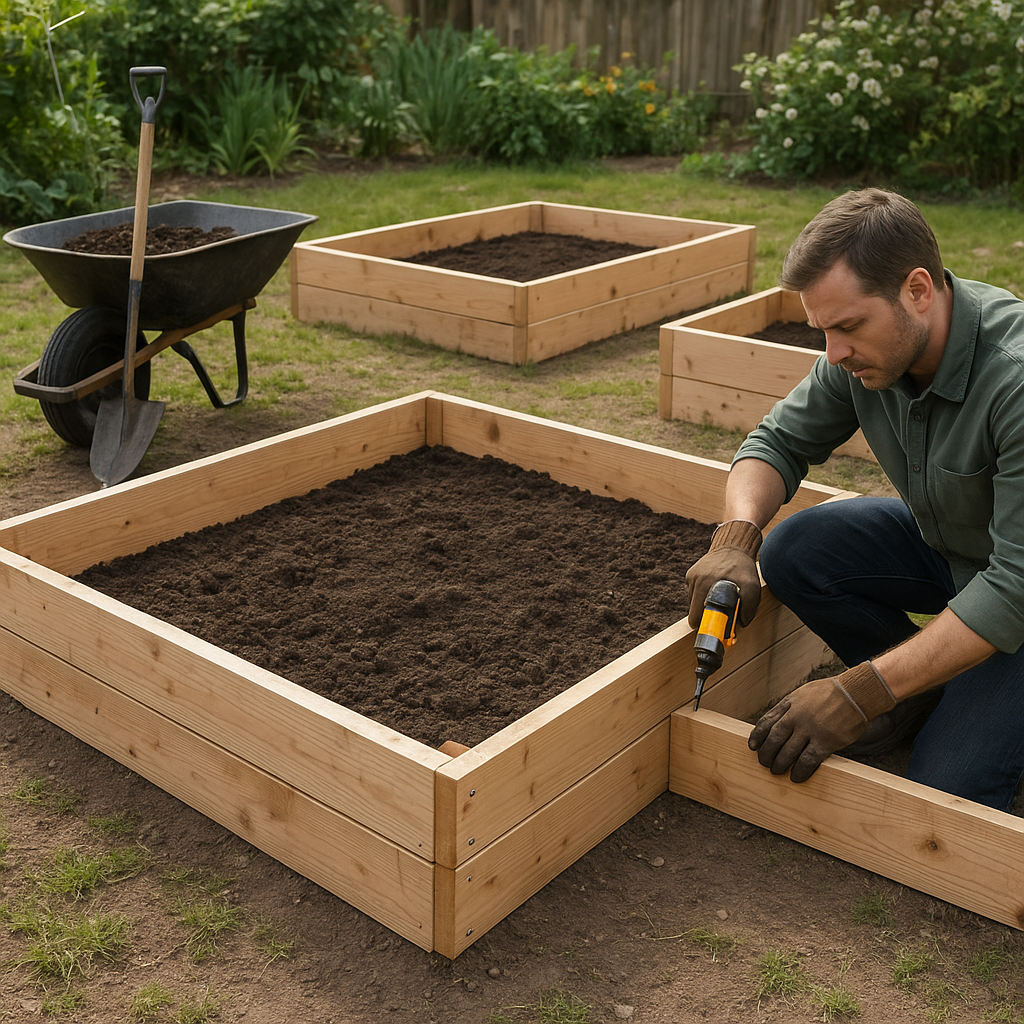
Raised beds or gentle mounds prevent waterlogging, which can lead to root diseases. Ensure pathways and berms channel excess water away from the root zone.
Planting and Maintenance
Once the site is prepared, careful planting and ongoing care will ensure vibrant growth and fruit production.
Planting Techniques
- Space plants according to their mature size: typically 12–18 inches for strawberries, 2–3 feet for raspberries, and up to 4–6 feet for blackberries.
- Position root crowns at soil level to avoid rot or drying.
- Water immediately after planting to settle soil around roots.
Mulching Strategies
Apply a 2–4-inch layer of mulch such as straw, wood chips, or pine needles. Mulching conserves moisture, suppresses weeds, and insulates against temperature extremes.
Watering and Irrigation
Berries benefit from consistent moisture. Drip irrigation delivers water directly to the root zone, minimizing fungal risks. Aim for 1–2 inches per week, adjusting for rainfall and evapotranspiration rates.
Fertilization Schedule
Side-dress with a balanced organic fertilizer in early spring and again after the first fruiting flush. Avoid excessive nitrogen, which encourages leafy growth over fruit set.
Organic Pest and Disease Management
Maintaining plant health organically relies on cultural controls, beneficial organisms, and natural remedies.
Encouraging Beneficial Insects
Attract pollinators and predators by planting flowering borders rich in nectar. Ladybugs, lacewings, and predatory mites help suppress aphids, spider mites, and other pests.
Cultural Controls and Crop Rotation
Rotate berry plantings with cover crops or vegetables to break pest and disease cycles. Remove and destroy infected canes or leaves promptly. Practice crop rotation every 2–3 years.
Homemade and Approved Organic Sprays
Use neem oil, insecticidal soaps, or horticultural oils to manage infestations. Apply in early morning or late evening to avoid leaf burn and protect pollinators.
Harvesting and Post-Harvest Handling
Timely and careful harvest ensures maximum flavor and shelf life. Proper handling minimizes damage and preserves delicate textures.
Determining Ripeness
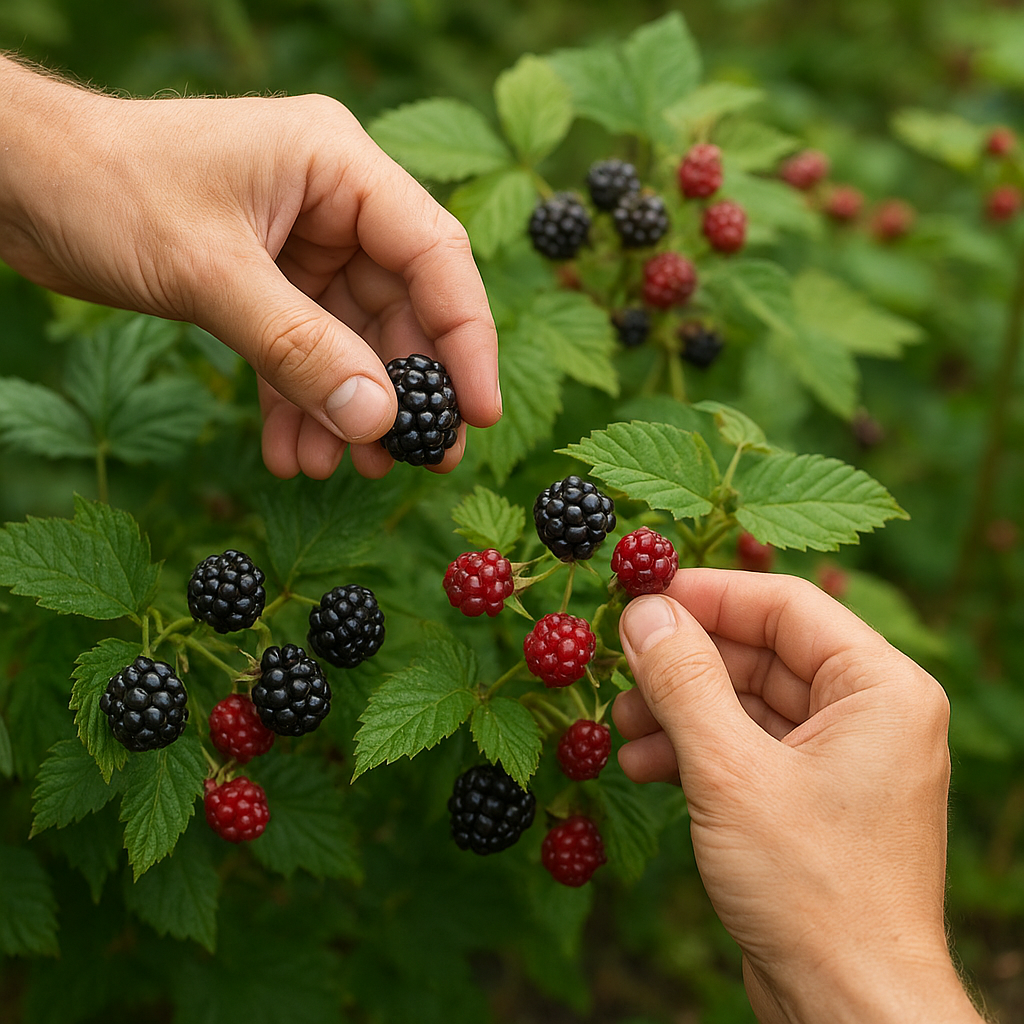
Harvest when berries display full coloration and detach easily with a gentle tug. Early morning picking, when fruits are cool, reduces heat stress.
Handling and Storage
Transfer berries gently into shallow containers to prevent crushing. Store at 32–36°F with high humidity (90–95%) to maintain freshness. Consume within a week or freeze for longer preservation.
Advanced Techniques for Enhanced Productivity
After mastering basics, explore methods to boost productivity and fruit quality.
Trellising and Support Systems
Raspberries and blackberries benefit from wire or stake supports. Proper spacing and tie-in methods reduce cane breakage and improve air circulation.
Interplanting and Companion Plants
Integrate herbs like mint and basil to deter pests, or legumes to enrich soil nitrogen. Companion planting fosters a balanced ecosystem around your berry beds.
Season Extension Practices
Install row covers, high tunnels, or low tunnels to protect blossoms from late frosts and extend harvest windows. These structures can raise daily temperatures, encouraging earlier yields.
Conclusion
Embracing organic berry cultivation demands dedication, but the rewards—a bountiful harvest of flavorful, healthful fruit—are unparalleled. Through thoughtful variety selection, careful site preparation, diligent maintenance, and natural protection methods, you will cultivate a thriving, organic berry patch that nourishes both body and earth.