Creating a **sustainable** irrigation system can transform agricultural practices, conserve precious resources, and boost long-term productivity on any farm. By integrating smart design, advanced technology, and eco-friendly methods, farmers can ensure a reliable water supply while minimizing environmental impact. This guide explores essential steps—from choosing a water source to monitoring performance—to help you build a resilient, cost-effective system tailored to your unique landscape and crop needs.
Selecting the Best Water Source
Choosing the right water source is the first pillar of a resilient irrigation network. Consider surface water (rivers, ponds, reservoirs), groundwater (wells), or reclaimed water (treated wastewater). Each option carries its own advantages and limitations.
- Surface Water: Easily accessible but subject to seasonal fluctuations. Requires proper filtration to remove debris and sediment.
- Groundwater: Offers stable flow but may demand energy-intensive pumping and careful management to avoid overwithdrawal.
- Reclaimed Water: Promotes resource management by reusing treated effluent, though quality standards and treatment costs must be addressed.
Key factors to evaluate:
- Flow Rate: Ensure the source meets peak irrigation demands without harming local ecosystems.
- Quality Parameters: Test for salinity, pH, and contaminants to protect crops and soil.
- Regulatory Compliance: Obtain necessary permits and adhere to local water use regulations.
Designing an Efficient Distribution Network
An effective distribution system optimizes water delivery to plant roots, reducing waste and maximizing crop growth. Three common methods are surface, sprinkler, and drip irrigation.
Surface Irrigation
- Gravity-driven channels or furrows
- Low initial cost but high water loss due to evaporation and runoff
Sprinkler Systems
- Pressurized water distributed through nozzles
- Offers uniform coverage but may suffer wind drift and evaporation losses
Drip Irrigation
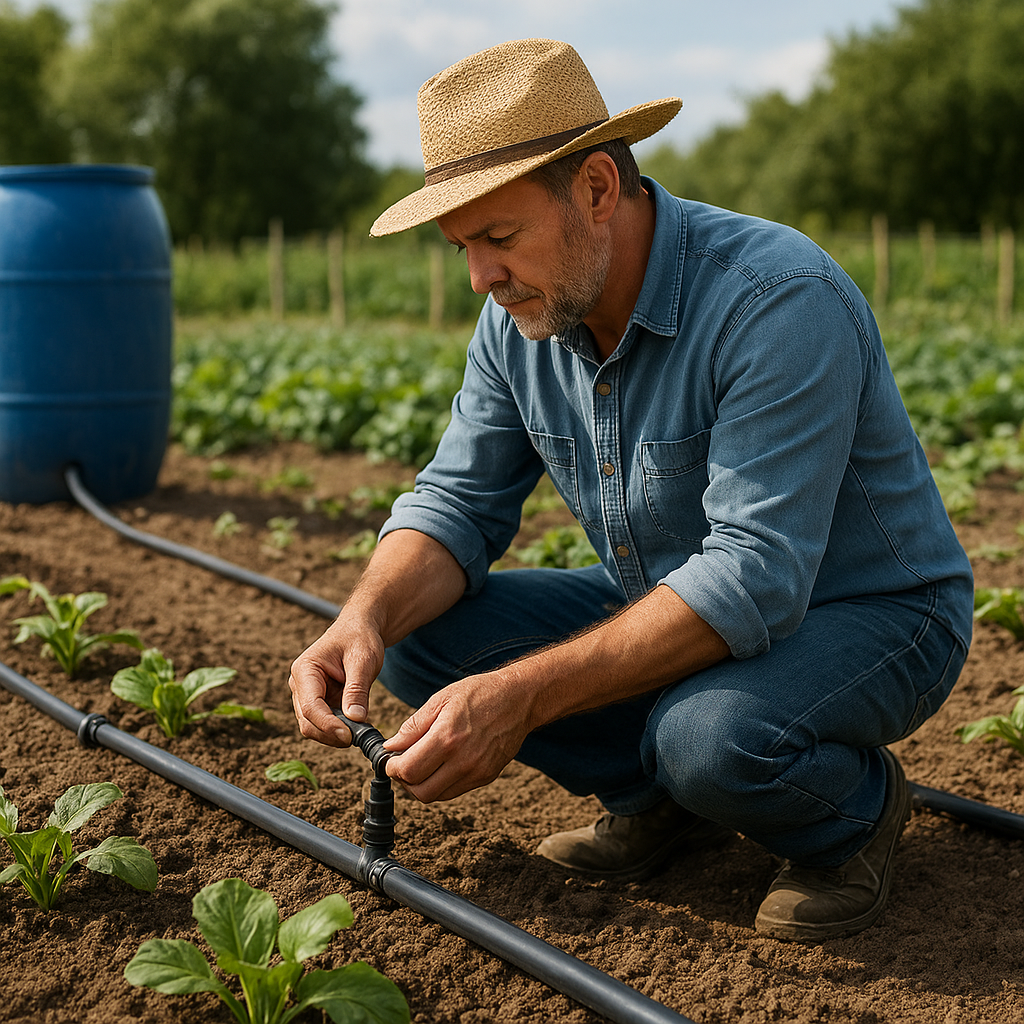
- Delivers water directly at the root zone via emitters
- High efficiency and reduced weed growth since only targeted areas receive moisture
- Allows precise fertilizer injection (fertigation)
Design steps:
- Map field topography and calculate slope to avoid pooling or erosion.
- Size pipes and pumps to match flow and pressure requirements.
- Install filters and pressure regulators to maintain system integrity.
- Use zoning to group plants with similar water needs, preventing under- or over-watering.
Integrating Automation and Monitoring
Smart controls and sensors play a crucial role in minimizing human error and ensuring timely irrigation. By embracing precision agriculture technologies, farmers can respond swiftly to changing field conditions and environmental factors.
Soil Moisture Sensors
- Measure volumetric water content at multiple soil depths
- Trigger irrigation only when real-time moisture thresholds are breached
Climate and Weather Stations
- Track temperature, humidity, wind, and solar radiation
- Use data to adjust irrigation schedules, avoiding watering before rainfall or during high evaporation periods
Automated Controllers
- Programmable timers linked to sensors
- Remote access via smartphone or computer for manual overrides
- Energy-efficient operation with solar or grid-tied power
Benefits of integration:
- Significant water conservation through responsive irrigation events.
- Labor savings by eliminating routine manual checks.
- Increased crop yield and quality due to timely moisture management.
Energy Solutions and Pumping Strategies
Pumping constitutes a major energy expense in many irrigation setups. By exploring renewable and hybrid power sources, farms can cut costs and reduce their carbon footprint.
- Solar-Powered Pumps: Ideal for remote fields with abundant sunlight; pairing with battery storage ensures round-the-clock operation.
- Wind Turbines: Complement solar arrays by generating power during windy conditions or at night.
- Grid-Connected Hybrid Systems: Combine renewable energy with conventional electricity to maintain consistent pump performance.
Consider pump sizing, head pressure requirements, and maintenance intervals to optimize lifespan and efficiency. Routine checks on bearings, seals, and alignment keep energy consumption in check.
Maintaining Soil Health and Nutrient Management
An irrigation system’s success depends on healthy soil that retains moisture and fosters root development. Sustainable soil practices work in tandem with irrigation to maximize plant vigor.
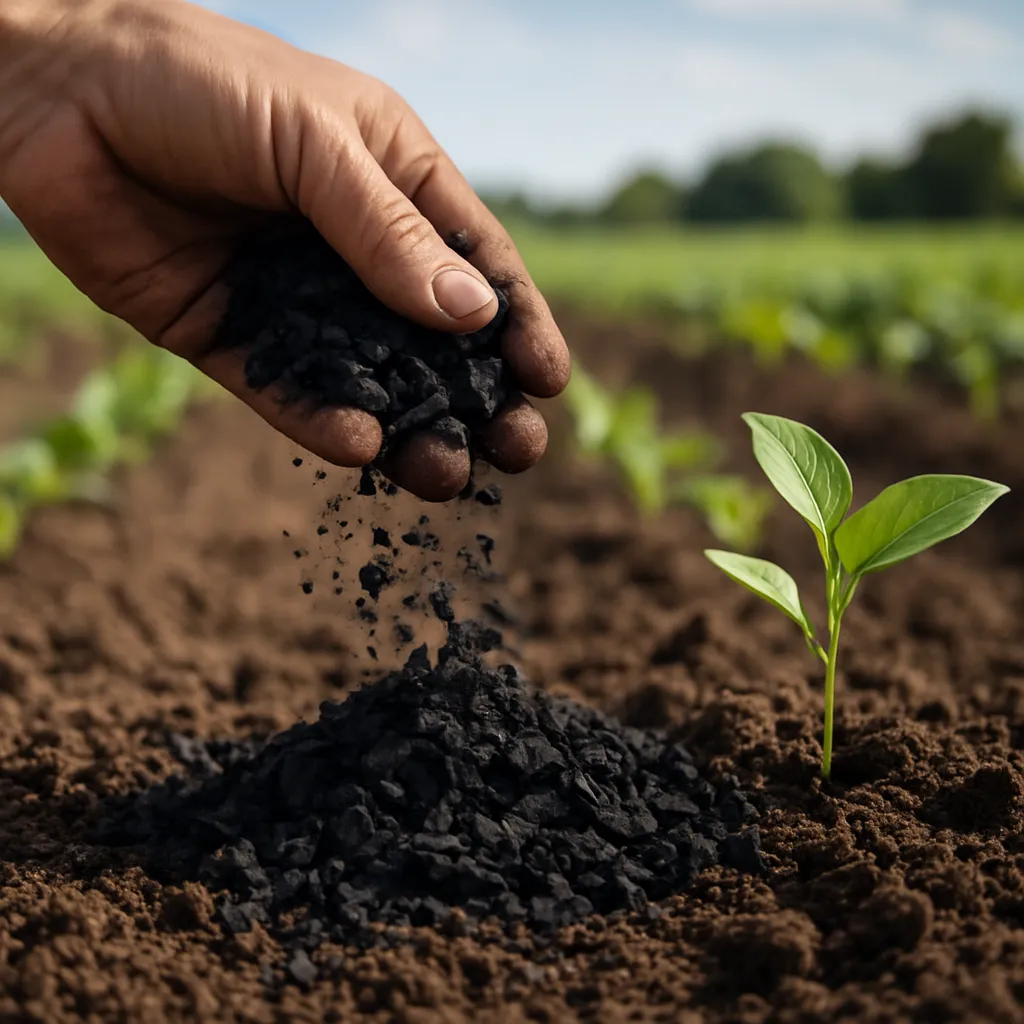
- Organic Amendments: Compost, manure, and biochar improve soil structure and water retention.
- Cover Crops: Legumes and grasses shield the soil surface, reduce evaporation, and fix nitrogen.
- Crop Rotation: Prevents nutrient depletion and breaks pest cycles, supporting overall resilience.
- Precision Fertigation: Delivers dissolved nutrients through the irrigation network, ensuring uniform distribution and minimal waste.
System Maintenance and Scalability
Ongoing maintenance safeguards your investment and ensures consistent performance. A well-documented schedule prevents downtime and costly repairs.
- Inspect lines for leaks, cracks, or clogs at least once per season.
- Flush filters and clean emitters routinely to avoid sediment buildup.
- Monitor pump efficiency and service according to manufacturer guidelines.
- Keep records of water usage, energy consumption, and yield data to identify trends and optimize settings.
As crops expand or markets shift, scalability becomes vital. Modular systems allow you to:
- Add new zones without major overhauls
- Upgrade controllers and sensors for advanced features
- Integrate additional renewable energy sources as budgets permit
Building Climate Resilience
Changing weather patterns demand adaptable irrigation strategies. Drought years, heavy rains, or heatwaves can threaten productivity if water management lacks flexibility.
- Water Harvesting Structures: Ponds and swales capture seasonal runoff for later use.
- Mulching: Reduces surface evaporation and regulates soil temperature.
- Alternate Wetting and Drying (AWD): Particularly effective in rice cultivation to cut methane emissions and save water.
By combining these practices, farmers create an integrated approach that weathers extreme conditions while safeguarding long-term viability.