Building a thriving online presence for your farm goes far beyond posting pretty pictures of rolling fields. A well-crafted website can transform casual browsers into loyal customers, drive direct sales of fresh produce, and showcase the unique story behind your agricultural venture. By focusing on strategic design, user-centric features, and targeted marketing, you can create a site that not only looks appealing but also converts visitors into repeat buyers.
Site Structure and Essential Content
Establishing a clear hierarchy of information is crucial. When visitors land on your homepage, they should immediately grasp who you are, what you offer, and how to take the next step. Break down your content into digestible sections and guide users through a logical journey from discovery to purchase.
Choosing the Right Platform
- CMS flexibility: Platforms like WordPress, Shopify, or Wix provide customizable templates and plugins tailored to agricultural businesses.
- Scalability: As your farm grows, ensure the platform supports additional product listings, booking modules, or subscription services.
- Security: Look for SSL certificates, regular updates, and built-in safeguards to protect customer data.
Organizing Your Pages
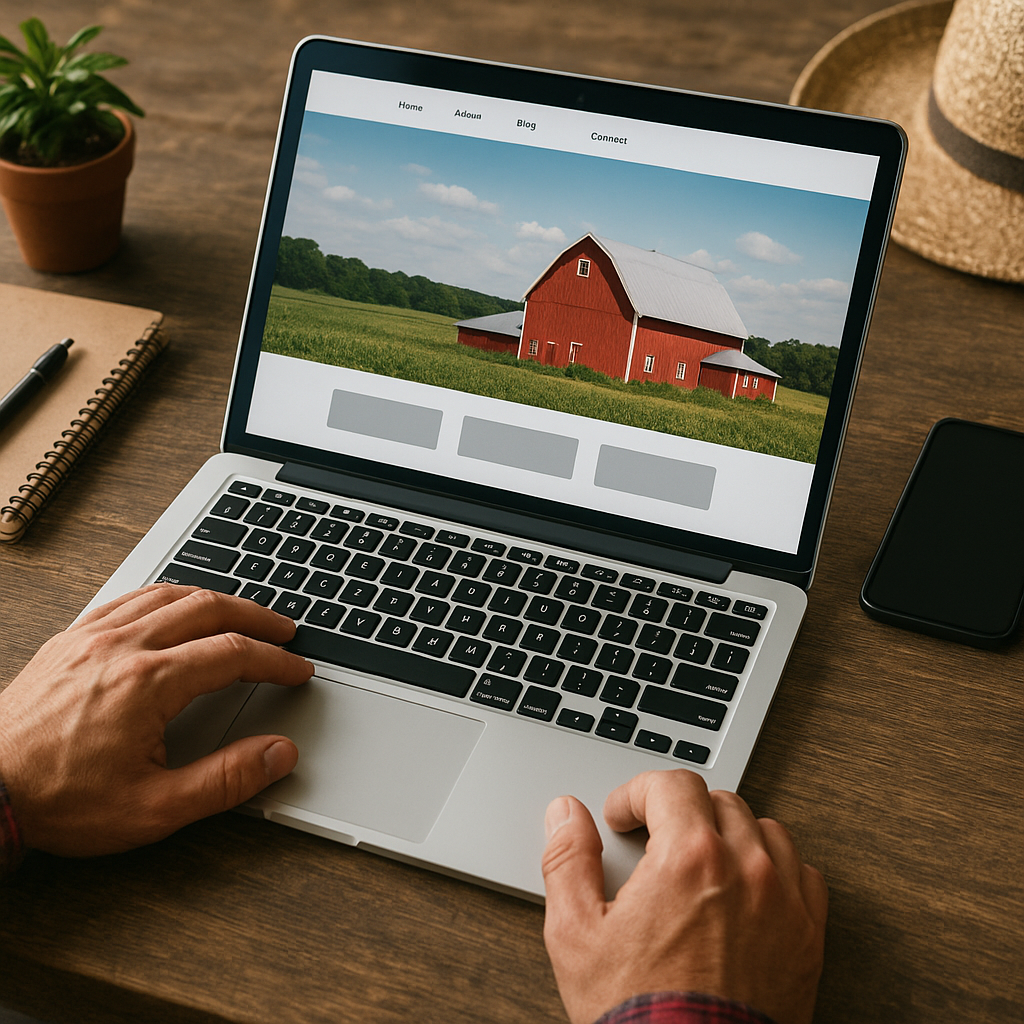
- Homepage with hero images, a clear call-to-action, and quick links to shop or booking pages.
- “About Us” section highlighting your agricultural heritage, sustainable practices, and team members.
- Product catalog with high-resolution photos, detailed descriptions, pricing, and inventory status.
- Blog or news area for sharing farming tips, harvest highlights, and upcoming farm events.
- Contact information, FAQ, and a simple form for inquiries or special orders.
Design Principles for Agricultural Businesses
Your website’s visual identity should reflect the values of your farm—whether that’s artisanal quality, eco-friendly methods, or family tradition. A coherent branding strategy helps customers form an emotional connection.
Visual Identity and Branding
- Choose a color palette inspired by nature: greens, browns, and muted earth tones.
- Select typography that balances readability with personality; rustic serif fonts often work well.
- Incorporate your logo and farm name consistently across all pages and digital assets.
Responsive and User-Friendly Layout
- Mobile-friendly design: Over half of site visits come from smartphones, so optimize images and navigation for smaller screens.
- Intuitive menus: Use clear labels like “Shop Fresh Produce,” “CSA Membership,” or “Visit the Farm.”
- Fast loading times: Compress images and enable browser caching to reduce bounce rates.
Marketing and Sales Strategies
Driving traffic and converting visitors into buyers require a combination of organic reach, paid campaigns, and engaging content. Each tactic should reinforce your farm’s unique selling points and invite customers to explore further.
Implementing E-commerce Solutions
- Shopping cart integration with secure payment gateways (Stripe, PayPal, etc.).
- Inventory management tools that update stock levels in real time.
- Subscription models for CSA boxes or farm-to-table delivery services.
Optimizing for Search Engines
Search engine optimization (SEO) ensures that potential customers find your farm site when searching for terms like “organic vegetables near me” or “local honey delivery.” Focus on:
- Keyword research: Identify high-value terms related to farming, agritourism, and local produce.
- On-page SEO: Include keywords in titles, headings, meta-descriptions, and image alt-text.
- Backlink building: Partner with food bloggers, local tourism boards, and sustainable agriculture directories.
Leveraging Social Media and Email Marketing
- Create an editorial calendar for Facebook, Instagram, and TikTok to showcase harvest days, recipe ideas, and behind-the-scenes videos.
- Build an email list offering exclusive discounts, farm news, and early access to seasonal products.
- Use targeted ads to reach local audiences interested in fresh produce, community-supported agriculture, or agritourism experiences.
Enhancing Customer Engagement
Turning first-time visitors into brand advocates involves more than sales—it’s about community, trust, and ongoing dialogue. By integrating interactive features and authentic storytelling, you’ll encourage repeat visits and word-of-mouth referrals.
Stories and Blog Posts
- Share the seasonal rhythms of farm life, from planting to harvest, to humanize your operation.
- Highlight team members or local collaborators to foster a sense of connection and transparency.
- Offer practical advice on storing produce, preserving jams, or cooking farm-fresh meals.
User Reviews and Testimonials
- Display customer feedback prominently on product pages to boost social proof.
- Encourage video testimonials from families enjoying a farm visit or sampling fresh produce.
- Implement a rating system for products and services to gather actionable insights.
Interactive Features and Community Building
- Integrate a live chat or chatbot for quick support on orders, farm tours, or CSA enrollment.
- Host virtual farm tours or Q&A sessions via embedded video streams.
- Create a members-only portal for CSA subscribers with exclusive recipes, event invites, and harvest calendars.
By thoughtfully combining user experience design, robust analytics, and compelling storytelling, your farm website can become a powerful sales engine. Focus on clear navigation, authentic content, and targeted outreach to turn visitors into loyal customers and ambassadors for your agricultural brand.