Embarking on the journey of cultivating vegetables for farmers markets involves careful attention to detail, strategic planning, and dedication to quality. This guide explores essential steps—from preparing the soil to effectively marketing your produce—enabling growers to achieve consistent yield and customer satisfaction.
Selecting Crops for Market Demand
Understanding local preferences and seasonal trends is fundamental when deciding which vegetables to grow. Success at a farmers market begins with offering the right mix of staples and specialty items that appeal to your target audience.
Analyzing Customer Preferences
- Survey regular market-goers to identify their favorite organic and heirloom varieties.
- Observe competitor offerings to spot gaps you can fill with unique vegetables.
- Note price points that attract budget-conscious shoppers without compromising quality.
Diversity and Succession Planting
Implementing diversity and succession planting methods ensures a continuous supply throughout the season:
- Stagger sowing dates of leafy greens, root vegetables, and nightshades.
- Use intercropping techniques, pairing fast-growing crops with slower ones.
- Rotate beds to maintain biodiversity and reduce pest pressure.
Preparing the Soil and Planting Techniques
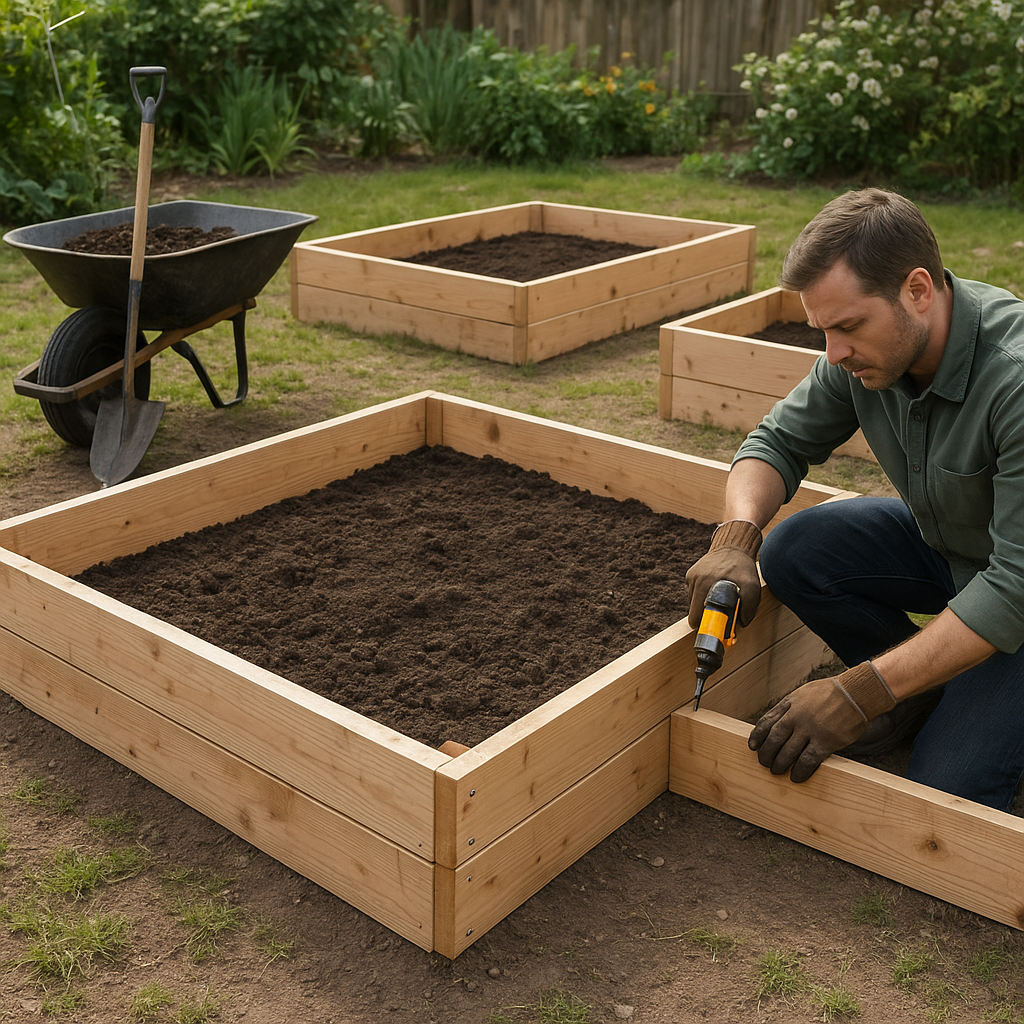
Healthy, fertile soil underpins every successful vegetable enterprise. Emphasizing soil health through amendments, cover cropping, and precise planting methods boosts profitability by reducing input costs and enhancing yields.
Soil Testing and Amendment
- Conduct comprehensive soil tests for pH, nutrient levels, and organic matter content.
- Incorporate compost, well-rotted manure, or green manure crops to improve texture and fertility.
- Adjust pH with lime or sulfur to match crop requirements—typically 6.0–6.8 for most vegetables.
Planting Strategies
Efficient planting methods set the stage for vigorous growth:
- Direct-seed fast-maturing crops like radishes and lettuces in raised beds.
- Start tender plants (tomatoes, peppers) in a greenhouse, harden off seedlings before transplanting.
- Use drip irrigation or soaker hoses to maintain consistent moisture, minimizing disease risk.
Pest and Disease Management
Integrated strategies for pest and disease control maintain quality standards and comply with organic market expectations. Combine cultural, mechanical, and biological tactics to keep problems in check.
Cultural Controls
- Rotate crops to prevent buildup of species-specific pathogens.
- Implement strict sanitation by removing plant debris after harvest.
- Space plants adequately to ensure good air circulation and reduce fungal issues.
Biological and Mechanical Methods
- Introduce beneficial insects such as ladybugs and lacewings for aphid control.
- Install row covers to protect seedlings from flea beetles and cabbage worms.
- Apply organic-approved biopesticides like Bacillus thuringiensis (Bt) for caterpillar management.
Harvesting and Post-Harvest Handling
Proper harvesting and handling practices preserve the freshness and visual appeal of your produce, crucial for making an impact at the market stall.
Timing the Harvest
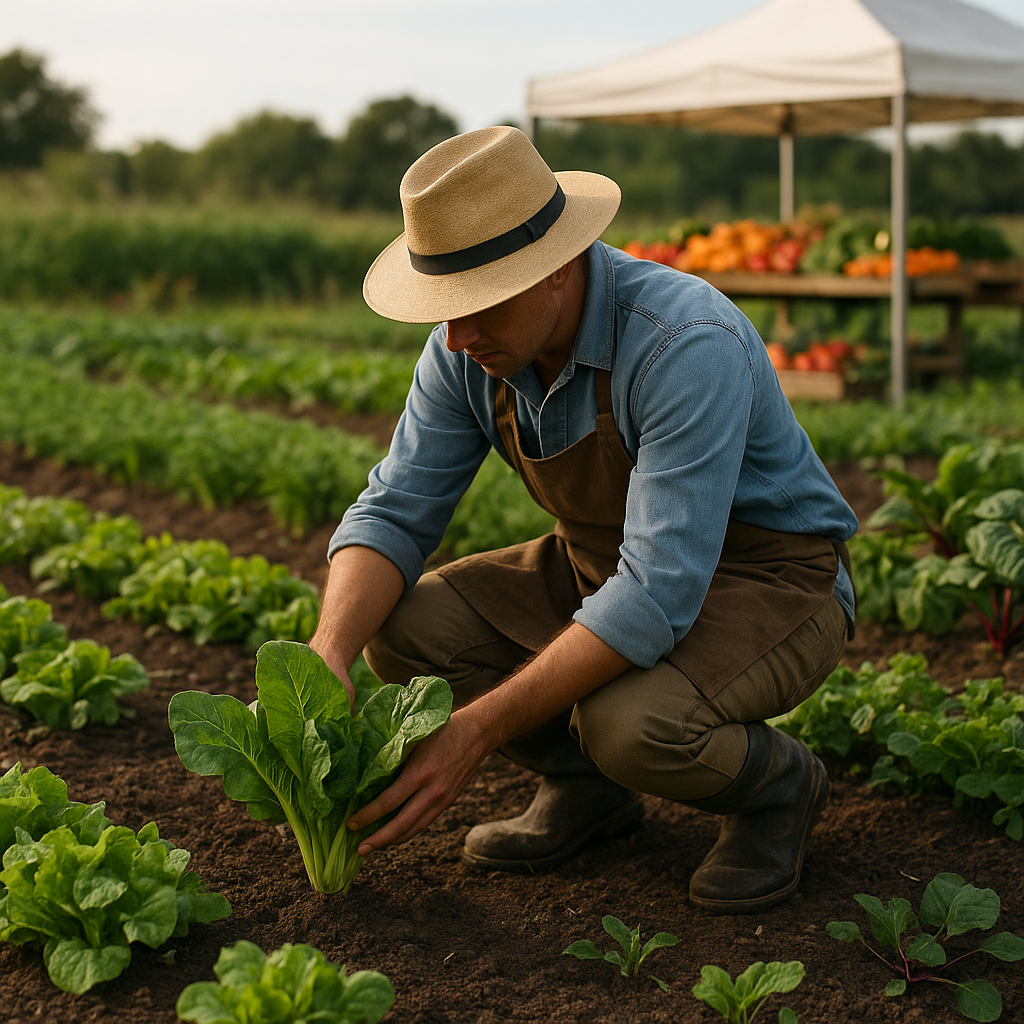
- Pick tender greens and herbs early in the morning when turgor pressure is highest.
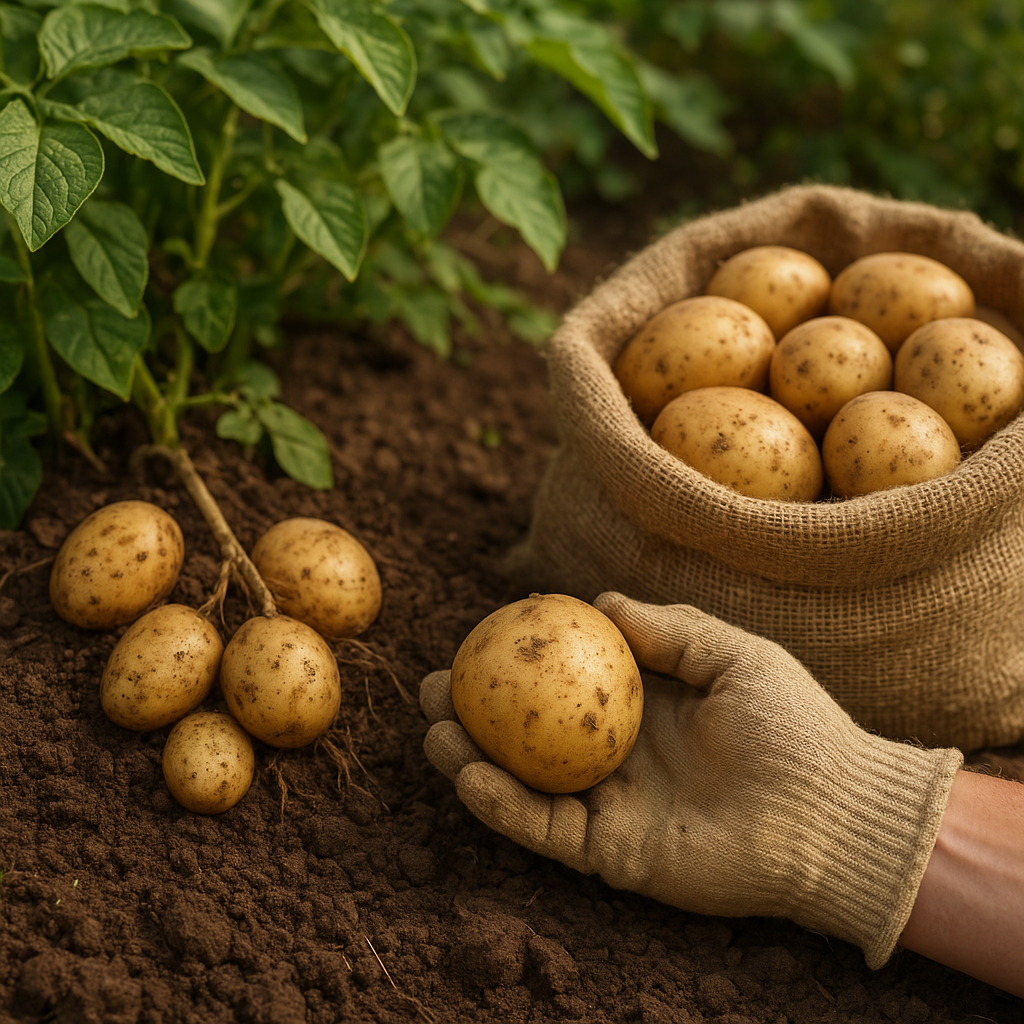
- Harvest root vegetables after morning dew has dried to reduce soil clumping.
- Monitor fruiting crops (tomatoes, cucumbers) daily to catch them at peak ripeness.
Cleaning, Cooling, and Packing
- Gently wash produce and remove damaged leaves or blemishes.
- Implement forced-air cooling for heat-sensitive items to lower field heat rapidly.
- Use breathable crates or bins lined with clean towels to avoid condensation.
Marketing Strategies for Farmers Markets
Standing out among vendors requires a blend of visual appeal, brand storytelling, and excellent customer service. These elements cultivate loyal buyers and word-of-mouth referrals.
Creating an Attractive Display
- Organize produce by color and size to draw the eye and highlight freshness.
- Use rustic crates, wicker baskets, and chalkboard signs for a farm-fresh aesthetic.
- Offer sample bites or recipe cards featuring your vegetables to engage shoppers.
Building Customer Relationships
- Share your farm’s story: planting methods, sustainability practices, and family involvement.
- Collect email addresses for newsletters, upcoming crops, and special deals.
- Offer loyalty incentives like punch cards or bundled discounts for repeat customers.
Scaling Up and Long-Term Planning
As demand grows, careful expansion ensures you maintain quality while increasing volume. Evaluate new market opportunities and invest in infrastructure improvements.
Assessing Growth Opportunities
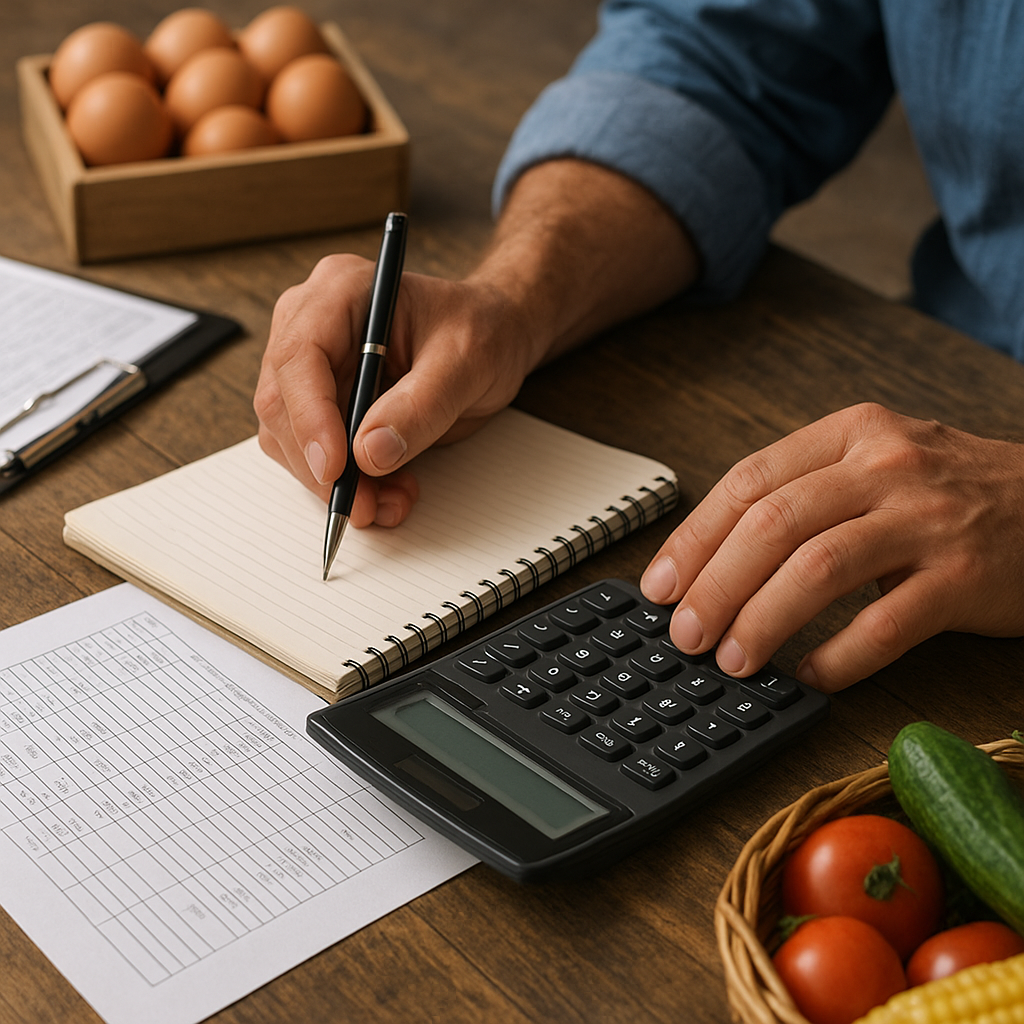
- Analyze sales data to identify high-performing crops worth increasing.
- Explore additional markets, local restaurants, and CSA (Community Supported Agriculture) programs.
- Partner with chefs for specialty orders and establish pre-season commitments.
Investing in Infrastructure
- Upgrade irrigation systems with automated timers and moisture sensors.
- Expand cold storage capacity to handle larger harvests without quality loss.
- Consider constructing high tunnels or greenhouses to extend the growing season.