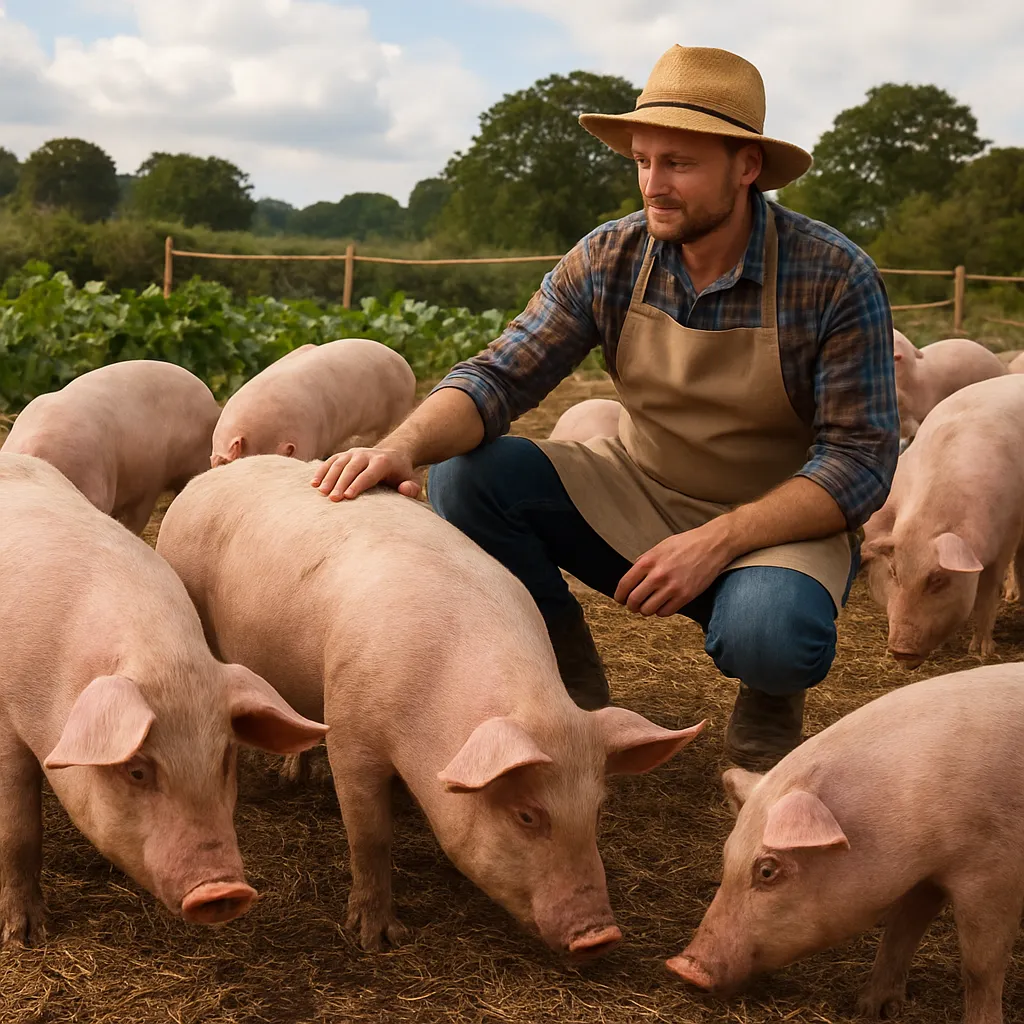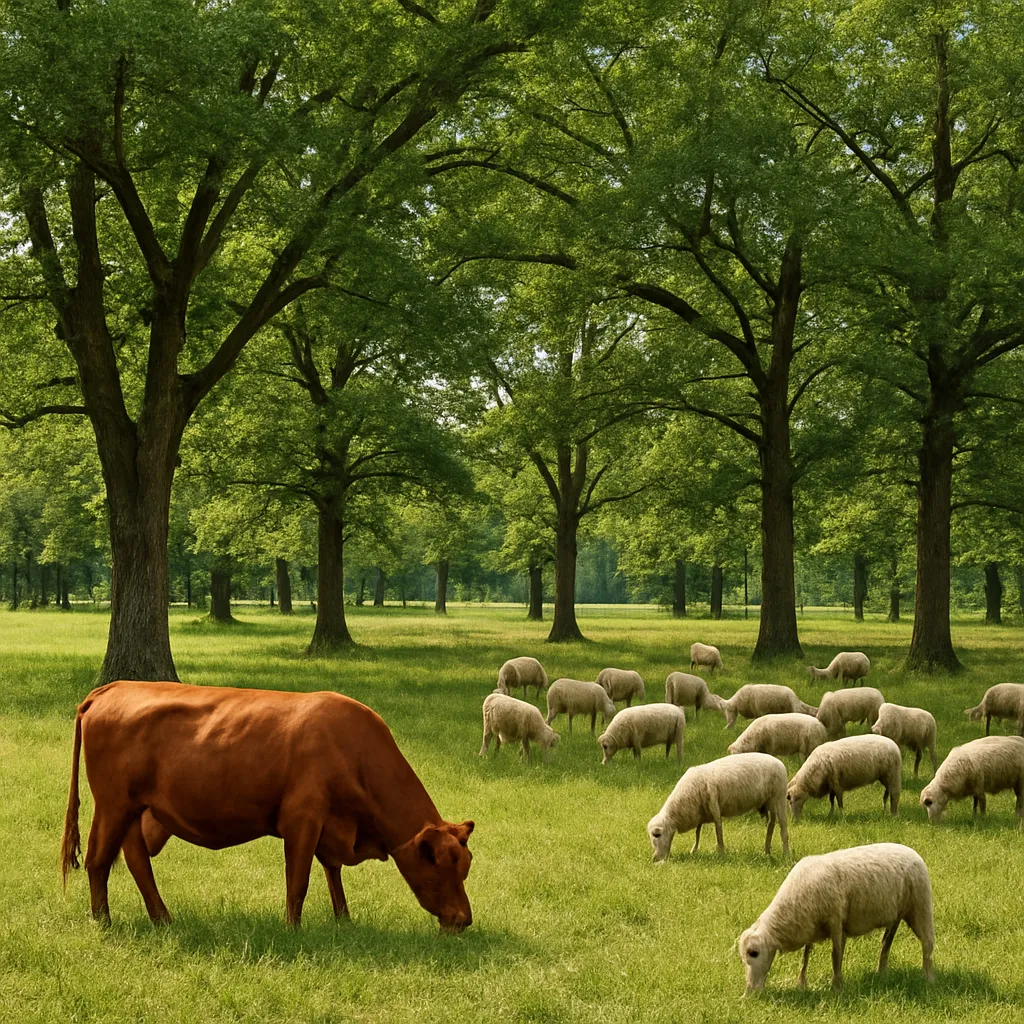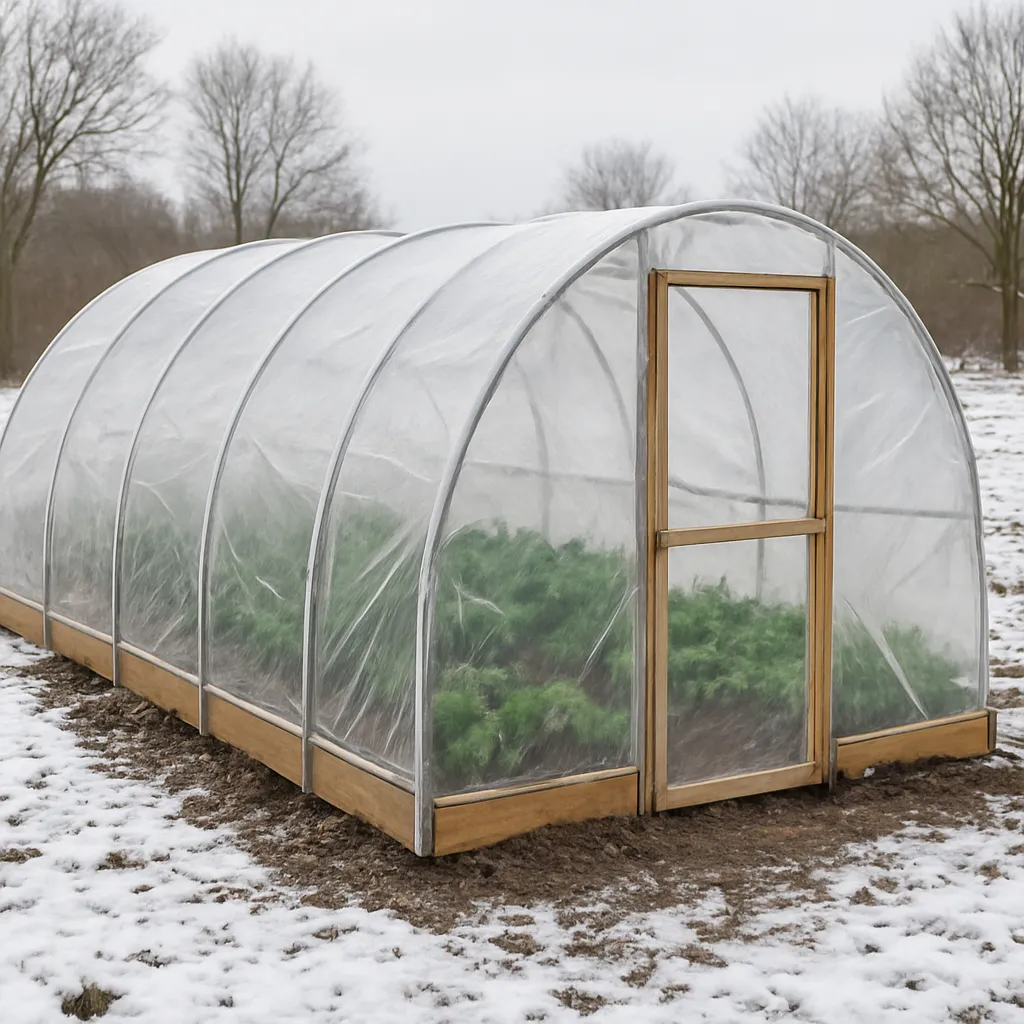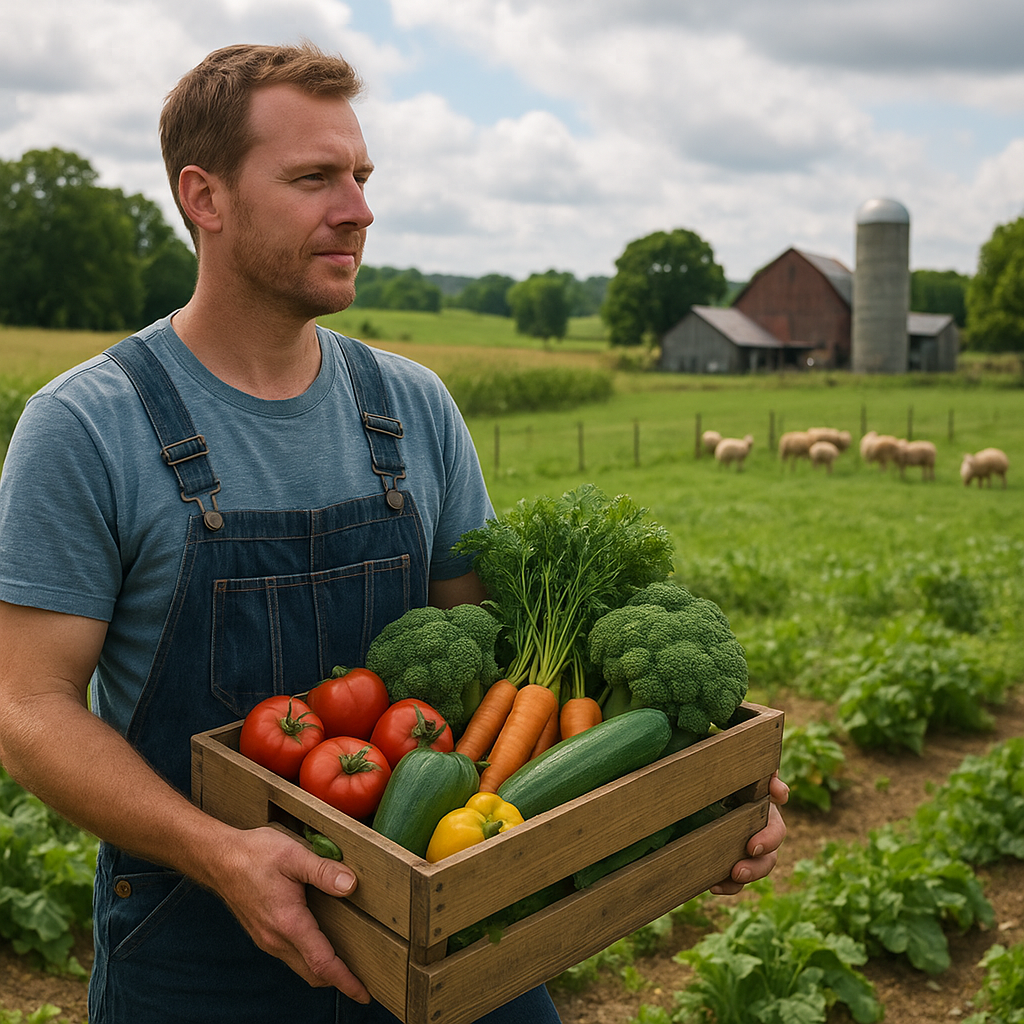
Farm Diversification: Why It Matters explores how agricultural enterprises evolve beyond traditional crop and livestock production. Through creative adaptation, producers can secure resilience against market shocks, improve profitability, and foster long-term sustainability. This article examines key benefits, practical strategies, and challenges associated with diversifying farm operations.
Benefits of Diversification
Implementing a diversified approach delivers a spectrum of advantages:
- Risk management: Spreading production across multiple activities helps shield farms from adverse weather, disease outbreaks, and volatile commodity prices.
- Income streams: Additional revenue sources—such as agritourism, direct marketing, and specialty products—can buffer seasonal dips in earnings.
- Resource optimization: Integrating livestock and cropping systems encourages nutrient cycling, reduces input costs, and improves soil health.
- Enhanced innovation: Diversified operations foster creative problem-solving and open new pathways for value-added enterprises.
- Community engagement: On-farm events and local partnerships strengthen ties between producers and consumers, building trust and loyalty.
Strategies for Successful Diversification
Farmers can choose from numerous diversification pathways. Selecting the right mix depends on regional conditions, skill sets, and market demand.
Value-Added Processing
Transforming raw commodities into higher-value goods elevates profit margins. Common examples include:
- Cheese and yogurt production from dairy.
- Cold-pressed oils extracted from seeds and fruits.
- Jams, pickles, and fermented vegetables.
Agritourism and Direct Marketing
Welcoming visitors to the farm creates experiential income and strengthens brand recognition:
- Pick-your-own produce events.
- On-site farm stands or CSA (Community Supported Agriculture) programs.
- Themed festivals and educational workshops.
Alternative Livestock and Crops
Expanding into specialty species and niche markets can unlock premium prices:
- Raising heritage poultry breeds or small ruminants.
- Growing medicinal herbs, cut flowers, or heirloom vegetables.
- Incorporating agroforestry and permaculture elements.
Overcoming Challenges
Diversification brings complexity. Producers must navigate logistical, regulatory, and financial hurdles:
Financial Investment
Initial capital outlay for new facilities, equipment, or marketing channels can be substantial. Farmers should develop detailed business plans, seek grants or low-interest loans, and explore partnerships to share costs.
Regulatory Compliance
Processing and selling value-added products often involve licensing, food safety inspections, and labeling requirements. Staying informed on local and federal guidelines is essential to avoid fines and ensure consumer trust.
Skill Development
New ventures may demand expertise in areas like food processing, hospitality, and e-commerce. Investing in training programs, workshops, and collaborations with extension services can build the necessary competencies.
Innovative Case Studies
Real-world examples illustrate how diversification transforms operations:
Green Valley Orchard
Originally a traditional apple farm, Green Valley introduced cider-making and established a tasting room. By offering farm-to-glass experiences, they doubled annual revenues within three years. Key factors included strategic marketing on social media and partnerships with local restaurants.
Sunrise Homestead
Facing declines in dairy prices, this family farm shifted to artisan cheese production and launched farm tours. They leveraged a state grant to build a creamery, and now their signature cheese sells at premium markets across the region.
Maple Ridge Farms
With abundant woodlands, the farm expanded into maple syrup production and educational workshops on sustainable forestry. By diversifying energy use—selling firewood and biomass—they maximized underutilized resources and broadened customer reach.
Emerging Trends and Future Prospects
The agricultural landscape is rapidly evolving. Farmers who proactively embrace diversification are better positioned to capitalize on emerging opportunities:
- Adoption of smart farming technologies such as drones, sensors, and data analytics to optimize multi-enterprise operations.
- Growing consumer demand for local, traceable, and ethically produced goods.
- Development of renewable energy projects—solar arrays, wind turbines, and bioenergy facilities—on farm properties.
- Strengthening climate adaptation through diversified cropping systems and agroecological practices.
By thoughtfully integrating new ventures, agricultural producers can enhance their adaptation to shifting market forces, address environmental challenges, and secure livelihoods for future generations. Farm diversification is not merely a strategy—it’s a pathway toward a more dynamic and resilient rural economy.