Building a thriving pasture demands a blend of scientific insight, practical experience, and thoughtful stewardship. Healthy pasture not only supports optimal livestock growth but also contributes to soil fertility, biodiversity, and long-term profitability. This guide explores essential strategies—from soil assessment to innovative technologies—that empower farmers to develop sustainable, high-yield grazing systems.
Assessing and Preparing the Soil
Soil Testing and Analysis
Accurate soil analysis lays the foundation for a productive pasture. Collect composite samples from representative paddocks, reaching depths of six inches. Laboratory tests reveal nutrient levels (nitrogen, phosphorus, potassium), organic matter content, and pH balance. With this data, you can pinpoint deficiencies or toxicities and avoid costly trial-and-error amendments.
Soil Amendments and pH Correction
Most forage species thrive in a slightly acidic to neutral pH (6.0–7.0). If your soil is too acidic, apply lime based on test recommendations; if it’s overly alkaline, sulfur or acidifying fertilizers may help. Incorporating organic matter—manure, compost, or cover crop residues—enhances structure, water retention, and microbial activity, creating an ideal environment for root development.
Conservation Practices
Implement erosion-control measures such as buffer strips, contour planting, and retaining vegetation on slopes. Cover crops planted during fallow periods protect the topsoil, suppress weeds, and fix atmospheric nitrogen. Through these conservation techniques, you maintain a resilient pasture system that resists degradation under heavy rainfall or extended drought.
Selecting Optimal Forage Species
Cool-Season vs Warm-Season Grasses
Regional climate dictates whether cool-season (ryegrass, tall fescue, orchardgrass) or warm-season (bermudagrass, switchgrass, millet) species dominate. Cool-season grasses excel in spring and fall, while warm-season varieties peak during high summer heat. Blending both types extends the grazing window and ensures consistent forage availability.
Role of Legumes
Integrating legumes (clover, alfalfa, vetch) enhances crude protein content and reduces reliance on synthetic nitrogen. Legumes form symbiotic relationships with rhizobia bacteria, fixing atmospheric nitrogen into plant-accessible forms. A legume component in your pasture mix supports animal nutrition, lowers fertilizer costs, and improves overall sward diversity.
Species Diversity and Mixtures
Monocultures may offer simplicity but lack resilience. Diverse species mixtures resist pests, diseases, and extreme weather events more effectively. Combine deep-rooted species that access subsoil moisture with shallow-rooted counterparts that capture surface nutrients. This complementarity maximizes biomass production and stabilizes yields year after year.
Implementing Sustainable Grazing Management
Rotational Grazing Systems
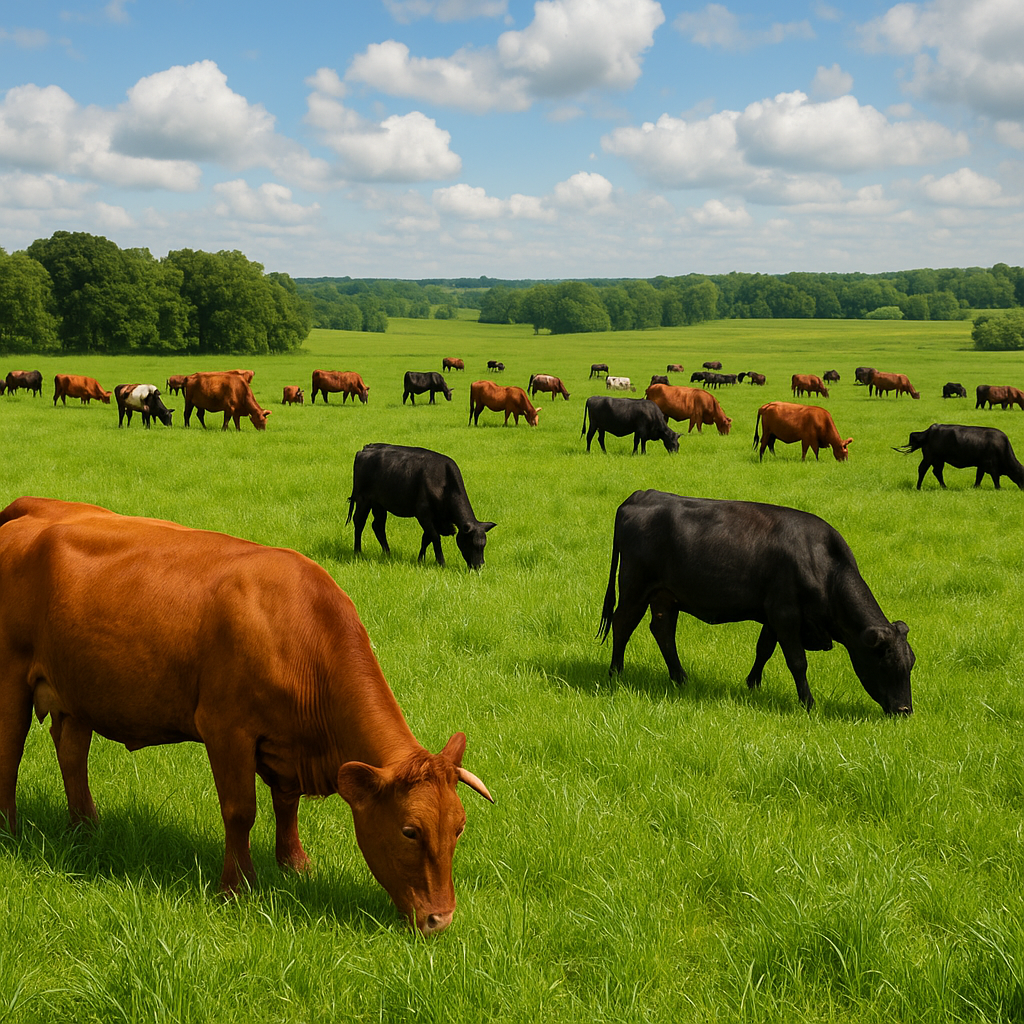
Rotational grazing divides pasture into smaller paddocks, allowing livestock to graze intensively for short periods followed by adequate rest. This mimics natural herd movements, promoting uniform forage utilization and encouraging plants to recover through regrowth. Well-planned rotations can increase forage yield by 20–30% compared to continuous grazing.
Stocking Density and Rest Periods
Determining correct stocking rates is crucial. Overstocking leads to soil compaction and bare patches; understocking allows forage to mature beyond its nutritional peak. Monitor sward height, aiming to remove 40–50% of growth before moving animals. Rest intervals of 21–35 days, depending on climate and species, enable root carbohydrate replenishment.
Monitoring Pasture Health
Regular scouting for weed encroachment, standing water, and erosion hotspots guides timely interventions. Maintain simple records of pasture performance, including yield estimates, animal weight gains, and rainfall patterns. Digital pasture management apps streamline data collection, helping you make informed management decisions.
Water, Infrastructure, and Health Support
Water Access and Distribution
Reliable water sources underpin animal performance. Install automatic waterers or strategically place troughs in each paddock to reduce travel stress on livestock. Consider solar-powered pumps for remote areas. Clean, accessible water encourages uniform grazing and reduces congregation near a single trough, which can cause trampling and bare ground.
Fencing and Herd Management
Electric fencing offers flexibility and cost-effectiveness for rotational systems. Temporary polywire or permanent high-tensile lines can be adjusted as grazing plans change. Combine with handling facilities—corrals, alleyways, and chutes—to streamline routine tasks like weighing, vaccination, and sorting. Good infrastructure enhances animal welfare and labor efficiency.
Animal Health Indicators
Pasture quality directly affects livestock well-being. Monitor body condition scores, hair coat sheen, and reproductive performance as proxies for forage adequacy. Implement parasite control measures—targeted deworming, dung beetles, and species rotation—to minimize internal and external parasite loads. Robust herd health reinforces the value of your pasture investment.
Embracing Innovation and Future Trends
Precision Agriculture Tools
Advances in GPS-guided equipment, drones, and remote sensors enable precise interventions. Soil moisture probes and forage biomass scanners help optimize irrigation schedules and grazing rotations. By reducing guesswork, these technologies boost efficiency and lower input costs while safeguarding environmental resources.
Climate-Resilient Cropping Systems
As weather patterns shift, drought-tolerant forages and heat-resistant cultivars gain importance. Research into novel species such as drought-adapted sorghum-sudangrass hybrids or deep-rooted tall wheatgrass expands options. Combining these with traditional pastures creates multi-layered canopies that capture more carbon and sustain productivity under variable rainfall.
Community-based Knowledge Exchange
Peer networks, field days, and online forums foster shared learning. Farmers exchange trial results, innovative practices, and local successes, accelerating adoption of best practices. Collaborative research partnerships between producers and extension agents bridge the gap between theory and real-world application, ensuring pasture management continually evolves.