Small-scale farming demands a careful balance of resourcefulness, skill, and the right equipment. Choosing the proper tools can transform labor-intensive tasks into manageable routines, boosting crop yields and reducing physical strain. This article explores a selection of indispensable implements designed to elevate cultivation practices on modest acreages. Each section delves into categories of tools that contribute to greater efficiency, productivity, and overall sustainability in the field.
Enhancing Soil Preparation with Essential Implements
Plows and Tillers
Effective soil cultivation lays the groundwork for healthy root development and robust plant growth. For operators of small plots, selecting equipment that balances power with versatility is critical. Modern mini-plows and tillers are designed to attach to compact tractors or garden tractors, offering adjustable depths and widths. These machines break up compacted soil layers, incorporate organic matter, and prepare seedbeds with minimal passes.
- Two-bottom plow: Ideal for light soils, this plow provides consistent furrow depth and reduced draft requirements.
- Rotary tiller: Powered by a PTO drive, it delivers a fine tilth suitable for vegetables and flower beds.
- Compact chisel plow: Penetrates deeper hardpan layers, improving drainage and root expansion.
Hand Tools for Small Plots
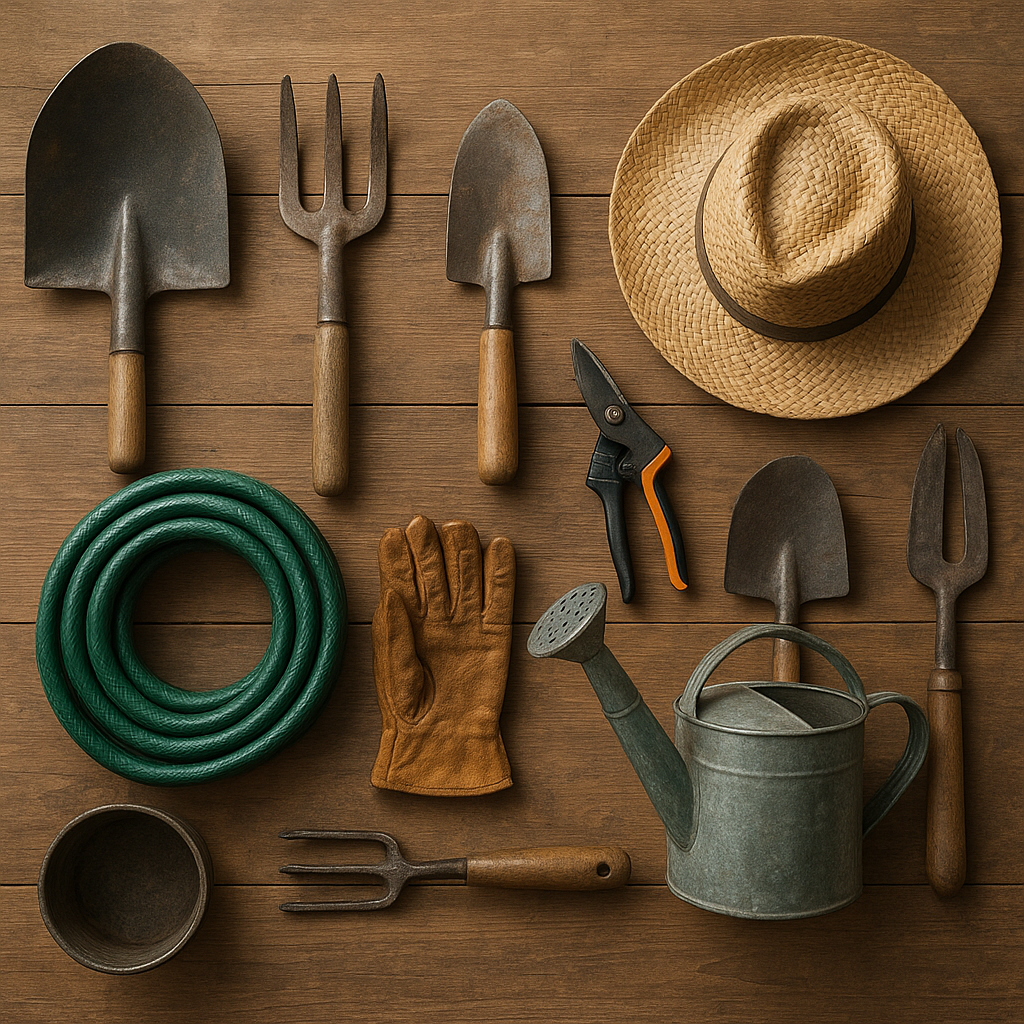
Even with motorized implements, hand tools remain indispensable for precise work in tight spaces or between raised beds. Their low cost and minimal maintenance make them a staple for every small-scale operator.
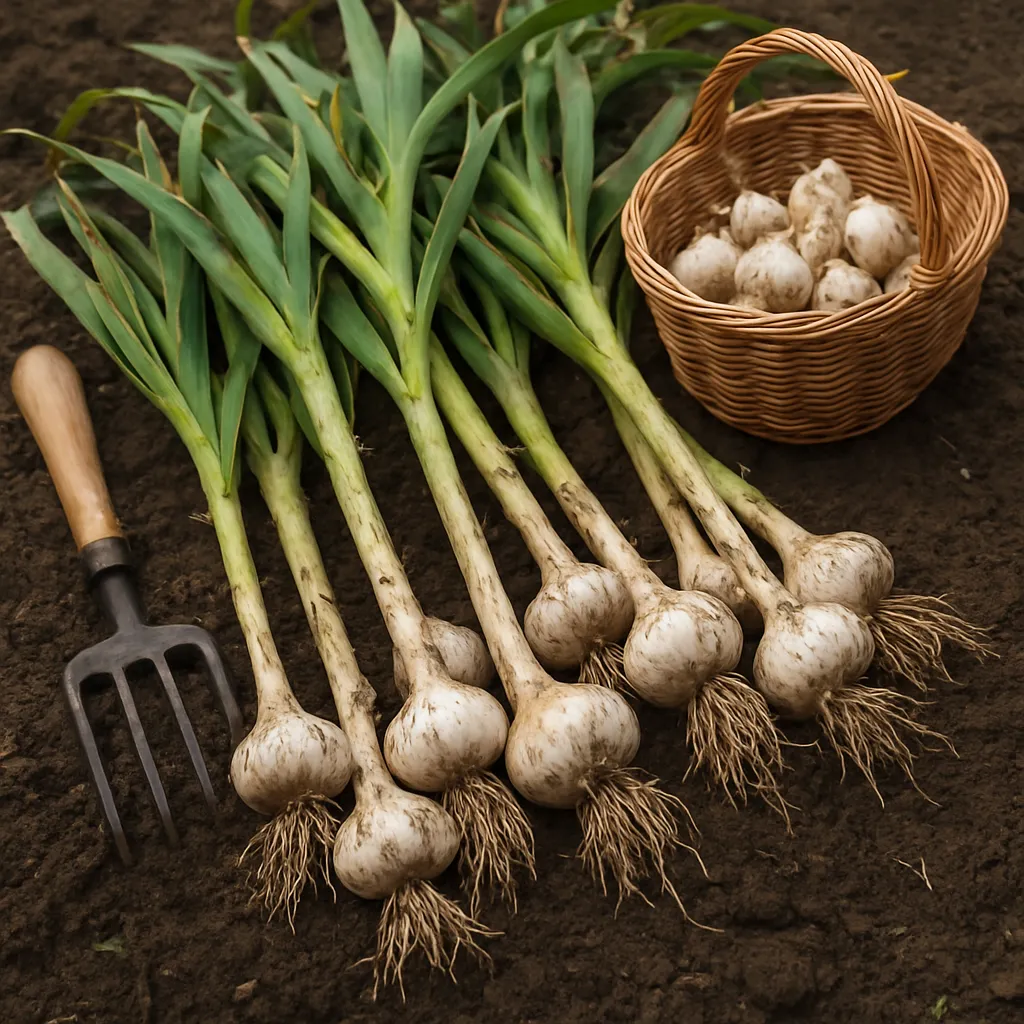
- Garden fork: Ideal for aeration, turning compost, and lifting root crops with minimal damage.
- Sharp spade or border shovel: Enables precise edging and trenching.
- Sturdy hoe variants: From stirrup hoes for shallow weeding to heavy-duty draw hoes for breaking ground.
Optimizing Irrigation and Water Management
Drip Irrigation Systems
Water scarcity and uneven distribution pose constant challenges. A properly designed drip irrigation network delivers water directly to the root zone, reducing water loss through evaporation and surface runoff. Components of a quality drip system include filters, pressure regulators, and emitters tailored to different crop needs.
- Inline drip tape: Provides uniform output along its length, perfect for row crops.
- Adjustable drippers: Allow customization of flow rates for young transplants and mature plants.
- Smart irrigation controllers: Automate schedules based on weather data, enhancing precision.
Rainwater Harvesting and Storage
Supplementing groundwater with harvested rainwater promotes a more sustainable approach to irrigation. Simple catchment systems channel roof runoff into storage tanks or barrels.
- Gutter filtration kits: Prevent debris from entering storage vessels.
- First-flush diverters: Improve water quality by discarding initial runoff.
- Modular water tanks: Expand capacity as farm operations grow.
Soil Moisture Monitoring Tools
Knowing when and how much to irrigate is vital. Portable moisture meters and in-ground sensors provide real-time feedback.
- Handheld tensiometers: Measure soil tension to guide manual irrigation decisions.
- Wireless probes: Sync with smartphone apps for remote monitoring.
- Thermocouple sensors: Evaluate soil temperature alongside moisture for seedbed readiness.
Streamlining Planting and Crop Maintenance
Seeders and Transplanters
Uniform plant spacing maximizes yield potential and simplifies later field operations. Small-scale seeders and row transplanters help place seeds and seedlings at consistent depths and intervals.
- Push-type precision seeder: Dispenses one seed at a time, ideal for carrots, lettuce, and greens.
- Mechanical transplanter: Fits on compact tractors, setting seedlings at adjustable spacing without manual bending.
- Manual dibbler: A cost-effective option for closely spaced crops.
Weed Control Tools
Maintaining a weed-free environment reduces competition and disease pressure. Select from mechanical and manual solutions based on plot size and crop type.
- Wheel hoes: Offer fast cultivation between rows with minimal soil disturbance.
- Flame weeder: Uses directed propane flames to desiccate young weeds without chemicals.
- Mulching tools: Roller crimpers flatten cover crops, suppressing subsequent weed emergence.
Fertilizer Spreaders and Applicators
Precise nutrient management supports vigorous growth and efficient resource use. Attachments range from hand-crank spreaders to tractor-mounted broadcast units.
- Handheld spinner spreader: Best for small plots and heavy fertilizers.
- Tow-behind broadcast spreader: Covers larger areas uniformly.
- Liquid injector systems: Deliver soluble nutrients directly to the root zone via drip lines.
Efficient Harvesting and Post-Harvest Tools
Hand Harvesting Tools
Cultivating specialty crops often requires careful harvesting to maintain quality. Ergonomic cutting tools and picking baskets ease the process.
- Pruning shears with sap grooves: Minimize sticking and ensure clean cuts.
- Ergonomic sickle or knife: Designed for rapid harvesting of grains or grasses.
- Lightweight harvest baskets: Reduce operator fatigue and prevent produce bruising.
Mechanical Harvesters for Small Acreages
Mechanization can accelerate harvest windows during peak seasons. Compact machines strike a balance between capacity and maneuverability.
- Self-propelled combine harvester: Scaled-down models for grains on 5–20 acre plots.
- Mini potato digger: Uproots and separates tubers from soil in one pass.
- Berry-picking machines: Gentle shaking mechanisms preserve delicate fruits.
Post-Harvest Handling and Storage
Proper post-harvest processes maintain quality and extend shelf life. Cooling, cleaning, and packaging tools help small-scale farmers reach markets with premium produce.
- Portable produce washing station: Circulates water to remove field debris.
- Forced-air coolers: Rapidly lower product temperature to slow respiration.
- Stackable crates and bins: Facilitate airflow and efficient transport.
Maintenance and Longevity of Farm Equipment
Routine Service and Inspection
Preserving investment value and operational reliability depends on regular upkeep. A simple maintenance schedule prevents downtime and costly repairs.
- Daily lubrication points: Grease fittings on bearings and joints.
- Weekly filter checks: Clean or replace air and fuel filters.
- Monthly hydraulic inspection: Look for leaks and maintain proper fluid levels.
Seasonal Storage Practices
Preparing equipment for off-season storage guards against rust and component failure.
- Thorough cleaning: Remove soil, plant residue, and moisture.
- Protective coatings: Apply rust inhibitors to metal surfaces.
- Battery management: Disconnect or maintain proper charge to extend lifespan.