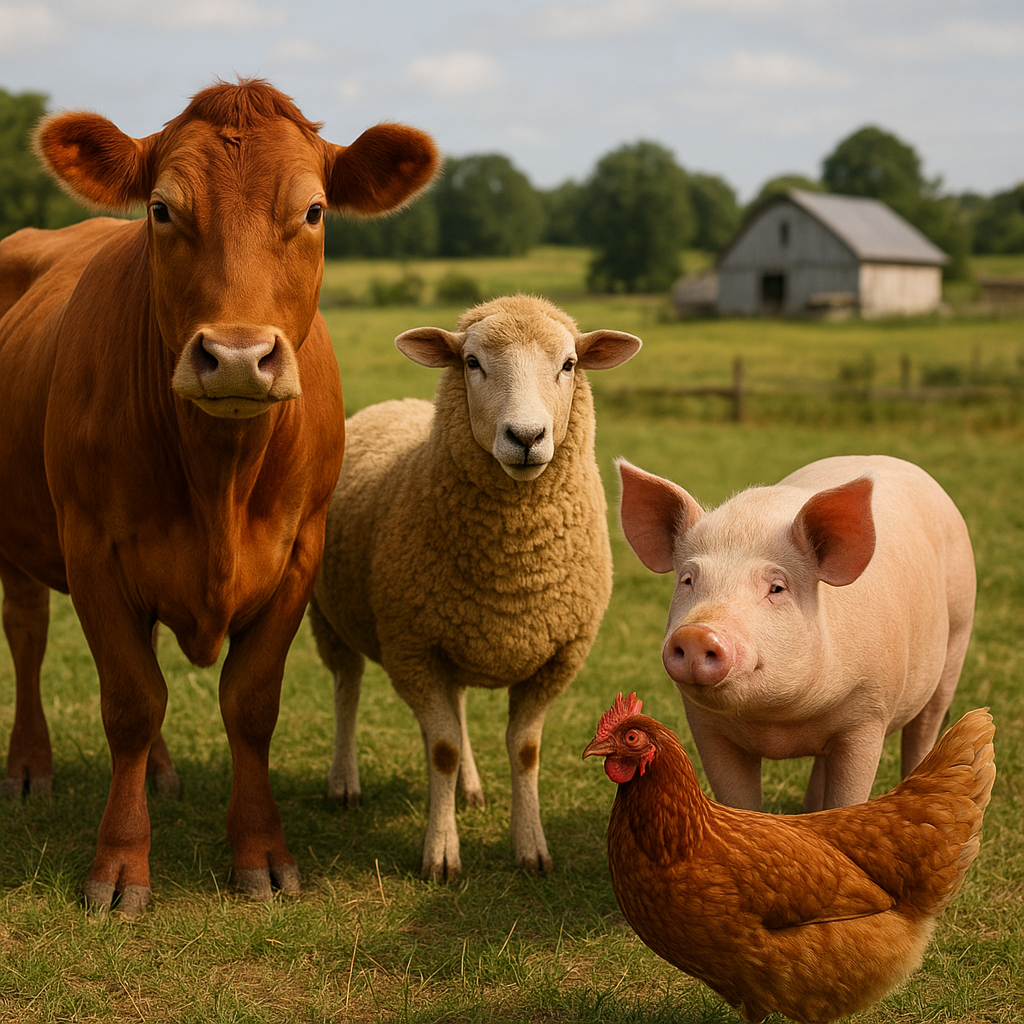
Small-scale farming presents unique challenges and opportunities. Selecting the right livestock breeds can turn a modest plot into a thriving homestead. By focusing on animals that excel in limited spaces, farmers unlock benefits such as sustainable production, enhanced profitability, and improved resource efficiency. This guide explores top breeds ideal for small farms, covering meat, dairy, poultry, and multi-purpose animals that blend tradition with modern demands.
Selecting Ideal Breeds for Small Farms
Choosing livestock begins with understanding farm goals and constraints. Prioritize breeds known for adaptable temperaments, low space requirements, and efficient feed conversion. Whether your priority is meat, milk, eggs, or fiber, each category offers specialized breeds that thrive on minimal inputs. Consider:
- Climate compatibility: Opt for animals suited to local weather patterns.
- Forage adaptability: Select breeds efficient at grazing or browsing diverse pastures.
- Health resilience: Favor breeds with proven hardiness against parasites and diseases.
- Growth rates: Balance early maturity with manageable size to avoid overcrowding.
- Behavioral traits: Calm, easy-to-handle animals reduce labor demands.
Balancing Productivity and Space
On small acreage, every square foot counts. Prioritize breeds that deliver high outputs without requiring extensive grazing. For example, certain heritage sheep and compact poultry strains offer impressive yields of meat or eggs per bird, plate, or pound. Integrating rotational grazing and mixed-species grazing enhances pasture health while maximizing output from limited land.
Top Meat Breeds for Limited Space
Small farms often seek meat breeds that mature quickly, convert feed efficiently, and remain manageable. The following breeds excel in these areas while fitting into compact settings.
Pigs: Compact and Efficient Producers
- Berkshire – Known for exceptional marbling and flavor, these pigs adapt well to pasture-based systems. They exhibit calm temperaments, making them easy to handle in smaller pens.
- Kunekune – A New Zealand heritage breed prized for grazing behavior and minimal fat requirements. Ideal for low-input systems, they often forage effectively on pasture alone.
- Choctaw – A rare, indigenous American breed with strong disease resistance and strong maternal instincts. Their small stature suits them to tight quarters while delivering tender pork.
Sheep: Dual-Purpose and Specialty Meat
- Katahdin – A hair sheep breed requiring no shearing and delivering lean, flavorful meat. Highly productive and hardy, they adapt to various climates and forage types.
- Dorper – Known for rapid growth rates and high carcass quality. Their minimal wool needs reduce labor and cost, making them ideal for meat-focused operations.
- St. Croix – A parasite-resistant hair sheep that excels in tropical and subtropical regions. They combine strong maternal traits with good meat yield.
Goats: Niche Meat on a Small Scale
- Boer – The benchmark for meat goat production, boasting fast growth and robust build. Highly adaptable to intensive and extensive systems.
- Kiko – Resilient to harsh conditions and parasites, the Kiko thrives on marginal pastures. They require minimal supplemental feed to maintain condition.
- Spanish – An American feral breed prized for toughness. Known as brush goats, they clear unwanted vegetation and provide lean meat.
Dairy and Dual-Purpose Breeds Suited to Smallholdings
For homesteaders seeking both milk and meat, dual-purpose breeds maximize returns from each animal. Several dairy breeds also adapt well to small-scale systems, producing nutrient-rich milk for household use or artisan cheese.
Compact Dairy Goats
- Nubian – Offers the highest butterfat content among dairy goats, delivering nutritious milk ideal for cheese and yogurt. Their sociable nature suits backyard herds.
- LaMancha – Known for distinctive tiny ears and calm disposition. They produce moderate volumes of milk with good fat and protein levels, making them low-stress to manage.
- Saanen – A Swiss breed valued for consistent high yields. Smaller-scale farmers appreciate their docile behavior and clean udder maintenance.
Sheep with Dairy and Meat Potential
- East Friesian – The world’s highest-producing dairy sheep. Their milk is perfect for specialized cheeses, though they require more intensive management than hair sheep.
- Awassi – A Middle Eastern breed prized for heat tolerance and milk rich in solids. They double as quality meat producers at the end of lactation.
- Lacaune – Famous for its role in Roquefort cheese production. Lacaune sheep thrive under Mediterranean climates but adapt well to pasture-based systems globally.
Poultry and Small Livestock Options for Diversification
Birds and small livestock can share garden plots and fences, providing eggs, meat, pest control, and fertility improvements. Choose breeds celebrated for dual roles and compact footprints.
Heritage and Dual-Purpose Chickens
- Rhode Island Red – A classic dual-purpose breed that lays well and delivers robust carcasses. Known for versatility and ease of care, they adapt to free-range or coop systems.
- Plymouth Rock – Friendly backyard fowl that lay brown eggs steadily. Their calm nature makes them excellent flockmates.
- Wyandotte – Attractive plumage, good winter layers, and solid meat birds. Their hardiness adds to their backyard appeal.
Small Fowl: Ducks and Geese
- Muscovy – Meat ducks with lean flesh and quiet behavior. They forage for insects and require minimal supplemental feed.
- Khaki Campbell – Egg-laying ducks known for high production. Their grazing habits help maintain pond ecosystems.
- Embden Goose – A meat goose breed prized for fast growth and large size. They guard flocks effectively due to their bold temperament.
Management Practices for Small-Scale Success
Beyond breed selection, successful operations depend on well-designed systems. Effective strategies include rotational grazing, multi-species integration, and strategic supplementation. Key considerations:
- Pasture rotation: Prevent overgrazing and maintain soil fertility.
- Shelter design: Build versatile structures for protection and ease of cleaning.
- Health protocols: Implement biosecurity measures to limit disease spread.
- Record keeping: Track performance metrics to refine breed choices over time.
- Genetic diversity: Retain quality breeding stock to sustain herd vigor and avoid inbreeding.
Proper planning and breed-matching can transform limited acreage into a highly productive, efficient small farm. By choosing the right livestock, you ensure long-term sustainability and economic resilience while enjoying the rewards of hands-on, diversified farming.