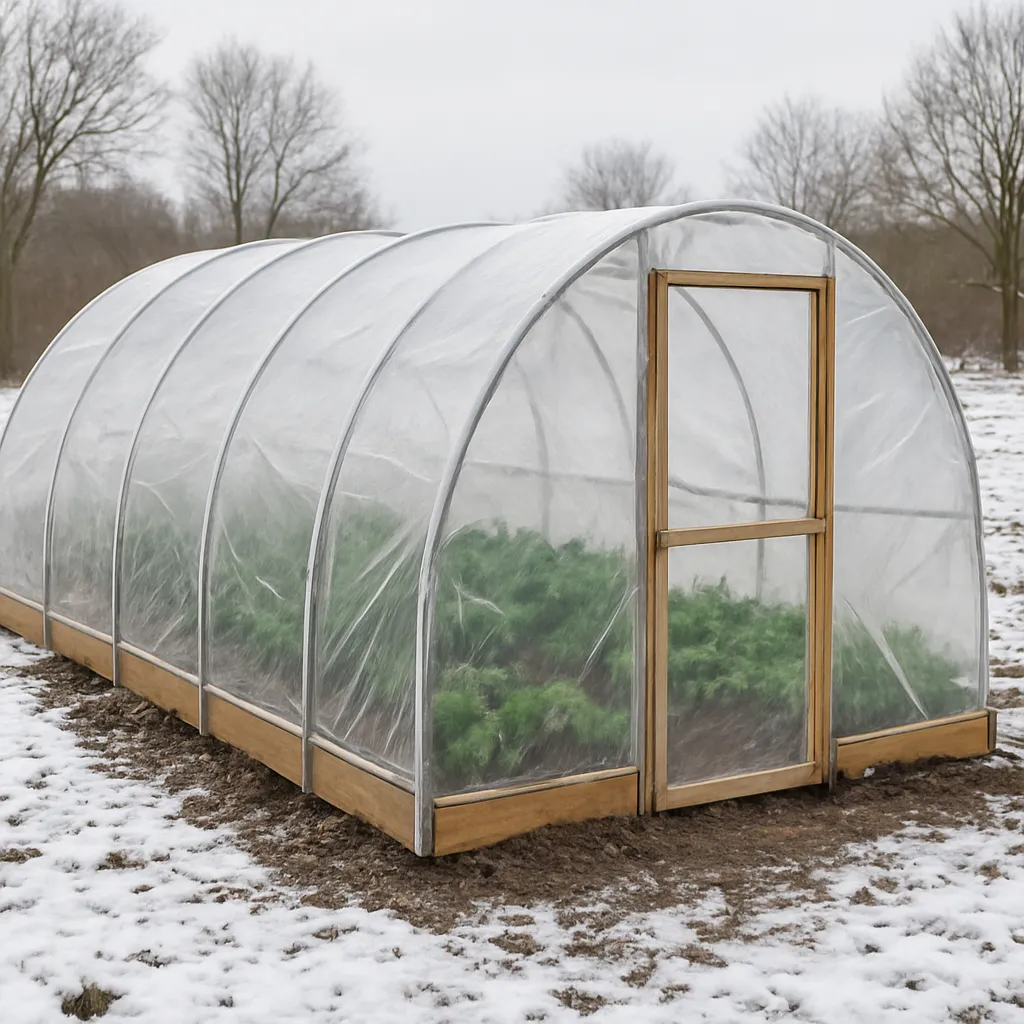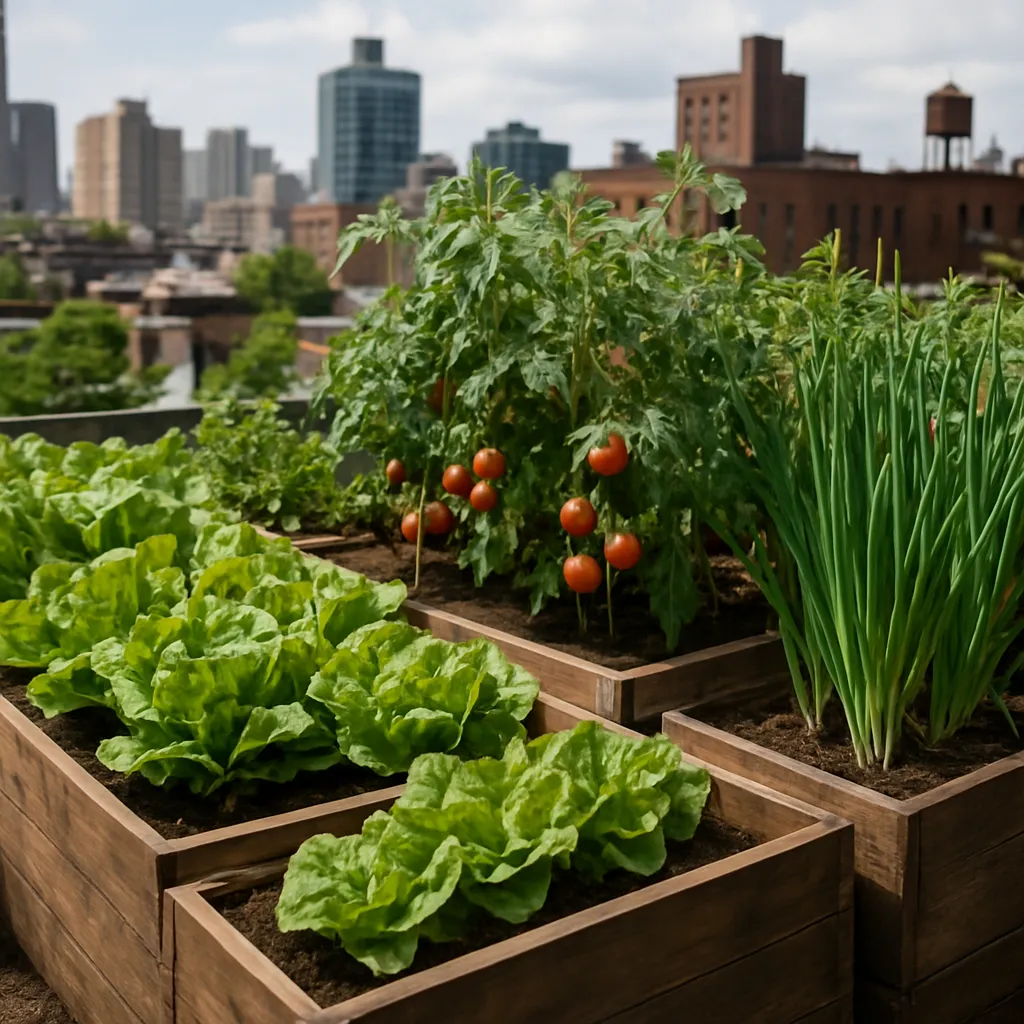
Urban farming offers a unique opportunity to transform small spaces into highly productive growing areas. By focusing on sustainability and innovative techniques, city dwellers can produce fresh, nutrient-dense food right on their balconies, rooftops, or window sills. Adopting methods like vertical farming and hydroponics allows growers to maximize yield in limited spaces, reduce water usage, and minimize the carbon footprint associated with conventional agriculture.
Vegetables Suitable for Urban Farming
Choosing the right vegetables is crucial for achieving success in confined areas. Compact, fast-growing varieties that thrive in containers or vertical systems will deliver the best results. Below are some top picks:
- Leafy Greens: Lettuce, spinach, kale, and Swiss chard adapt exceptionally well to both soil and soilless setups.
- Tomatoes: Determinate (“bush”) types are ideal for pots, offering abundant fruit without sprawling vines.
- Peppers: Chili and bell peppers appreciate warm, sunny locations and fit comfortably in medium-sized containers.
- Cucumbers: Select dwarf or trellis-friendly varieties to save ground space and boost air circulation.
- Radishes: Quick-maturing and tolerant of tight quarters, radishes can be harvested in as little as four weeks.
Container Considerations
Effective container gardening depends on selecting pots with adequate drainage, the right soil mix, and strategic placement. Use lightweight pots for rooftop setups and ensure containers are deep enough for root development. Incorporate organic matter or slow-release fertilizers to maintain consistent nutrition.
Vertical and Soilless Methods
Implementing vertical farming racks or towers helps exploit unused wall space. Pair these structures with hydroponics or aeroponics systems to accelerate plant growth and reduce water consumption by up to 90% compared to traditional beds.
Fruits and Berries in Limited Spaces
Even fruit production is feasible within an urban environment. By selecting dwarf and container-friendly varieties, you can cultivate a diverse orchard on a patio or small yard.
- Strawberries: Ever-bearing types yield fruit throughout the growing season and can be grown in hanging baskets to save floor area.
- Dwarf Citrus: Calamondin, Meyer lemon, and kumquats thrive in large pots and provide fragrant blossoms as well as fresh fruit.
- Blueberries: Choose compact cultivars and acidic potting mixes; they also work well in raised beds.
- Figs: Some fig trees remain small enough for containers and can be overwintered indoors in cooler climates.
- Raspberries: Varieties like ‘Heritage’ perform well in large planters with sturdy supports for their canes.
Pruning and Training Techniques
Fruit plants often require careful pruning to maintain size and encourage yield optimization. Use trellises, espalier methods, or simple stake-and-tie systems to guide branches and improve sun exposure.
Soil pH and Nutrition
Managing soil pH is essential for fruiting crops—especially blueberries. Conduct regular tests and amend the medium with sulfur or lime as needed. A balanced fertilizer regimen will support healthy flowering and fruit set.
Herbs and Microgreens for Maximum Productivity
Herbs and microgreens are among the fastest, most reliable crops for urban growers. They demand minimal space, deliver quick harvests, and bring high-value flavor to any kitchen.
- Basil: Varieties like Genovese and Thai basil flourish in small pots and can be harvested continuously by pinching tips.
- Mint and Oregano: Robust and invasive in garden beds, these herbs are perfect candidates for restraint within planters.
- Cilantro and Parsley: Fast-growing and versatile, these herbs complement salads, sauces, and garnishes.
- Microgreens Blend: Mix radish, broccoli, and pea shoots for a colorful, nutrient-packed harvest in under two weeks.
- Dill and Coriander: Use tall containers to accommodate their longer taproots and support breezy stems.
Succession Planting Strategies
Maintaining a continuous supply of herbs and microgreens relies on crop rotation and staggered sowing. Plant new batches every one to two weeks to avoid gaps in production.
Companion Planting Benefits
Integrating herbs with vegetables can enhance flavor and repel pests. For instance, basil placed near tomatoes improves taste and deters whiteflies and aphids, demonstrating the value of companion planting in urban plots.
By understanding the specific requirements of different crops and leveraging innovative growing systems, urban gardeners can transform even the smallest spaces into productive, green havens. Experimenting with diverse varieties and techniques will reveal the perfect combination for your local climate and lifestyle.