Farmers in colder regions often face unique challenges when selecting crops that can thrive under brief growing seasons and fluctuating temperatures. Choosing the right varieties and employing smart cultivation techniques can transform a frosty field into a productive plot, delivering bountiful harvests despite harsh conditions. This article explores the essentials of successful cold-climate farming, highlights the most reliable crops, and shares proven methods to extend the growing season.
Understanding Cold-Climate Farming
Impact of Low Temperatures
Temperatures near or below freezing can damage delicate plant tissues, slow down germination, and stunt early growth. A key factor is the plant’s hardiness rating: varieties bred for northern zones can endure cold snaps that would kill more tender types. Monitoring local frost dates and choosing cultivars with lower temperature thresholds ensures seedlings establish before vulnerable stages arrive.
Frost Dates and Growing Season
Determining your region’s last spring frost and first autumn freeze defines the effective growing window. These dates guide sowing schedules and help avoid losses from unexpected frosts. Many cold-hardy crops can be planted as soon as soil temperatures reach five to seven degrees Celsius, sometimes weeks before warmer-climate gardeners can begin. Late-maturing varieties, however, require planning to finish harvesting before hard freezes.
Top Cold-Hardy Crops
Leafy Greens
Leafy vegetables such as kale, spinach, and Swiss chard thrive in cooler weather. Kale, in particular, is highly frost-tolerant—its leaves often sweeten after a light frost. Spinach can germinate at low soil temperatures, while Swiss chard offers a longer harvest window, tolerating both early spring chills and mild fall freezes.
Root Vegetables
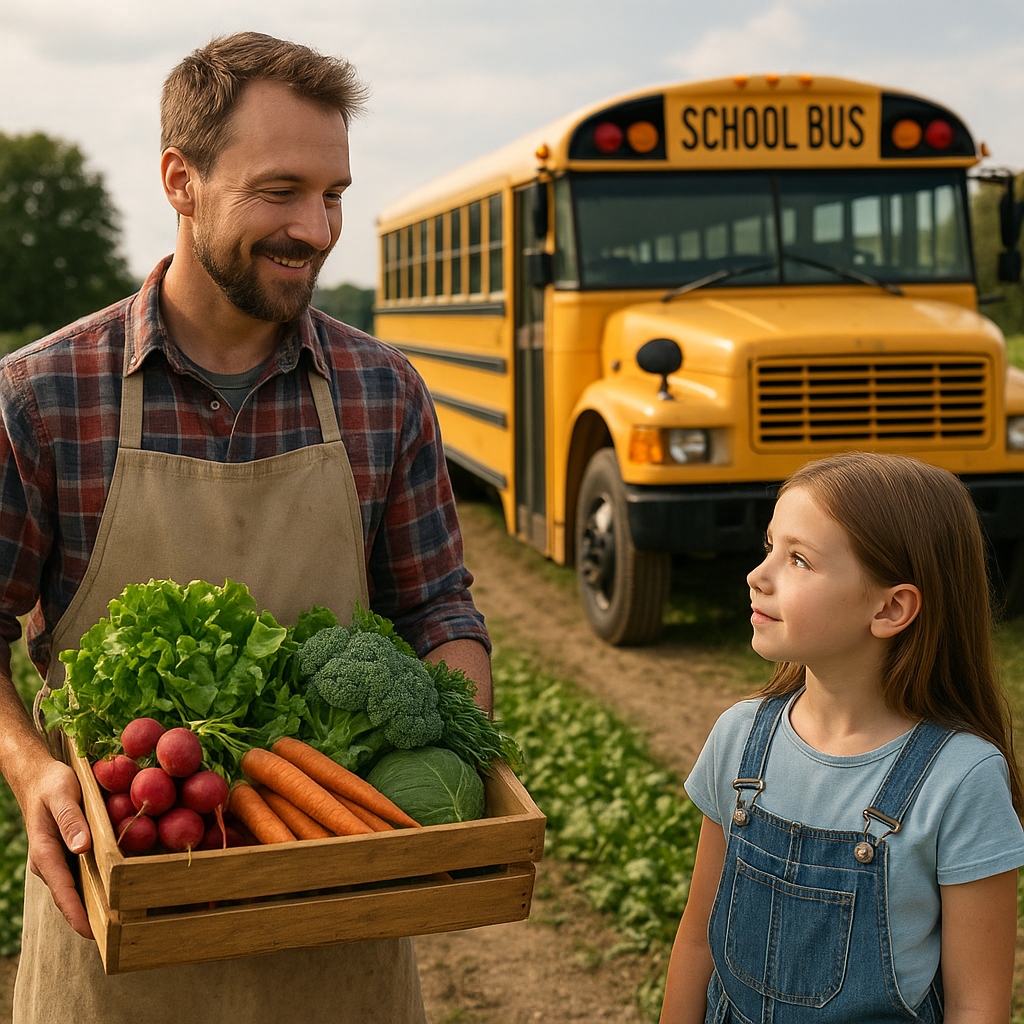
Beets, carrots, radishes, and turnips develop dense, nutrient-rich roots when grown in cool soils. They benefit from deep, well-drained beds that maintain consistent moisture. Direct sowing in early spring yields quick-maturing radishes in as little as four weeks, whereas carrots and beets establish more slowly but store well over winter if lifted before the ground freezes solid.
Brassicas
Broccoli, cauliflower, Brussels sprouts, and cabbage excel under cool skies. Brussels sprouts and cabbage can survive temperatures down to -5°C, improving flavor with cold stress. Timely transplanting and proper spacing reduce disease pressure and allow adequate air circulation, essential in humid spring or autumn conditions.
Legumes
Peas are among the earliest crops to go in the ground, tolerating soil temperatures around 4°C. They fix atmospheric nitrogen, enhancing soil fertility for subsequent plantings. While broad beans (fava beans) are less common in cold regions, they can handle light frosts and deliver substantial green pod yields if sown deeply in early spring.
Techniques to Enhance Cold-Season Success
Mulching and Row Covers
Applying an organic mulching layer of straw or leaves around seedlings moderates soil temperature, reduces moisture loss, and suppresses weeds. Lightweight row covers, supported by hoops, trap solar heat and protect tender plants from sudden frosts. They can raise ambient temperatures by several degrees, giving crops a crucial head start.
Season Extension Structures
High tunnels, hoop houses, and greenhouse setups create controlled environments that extend production well into winter. Even simple low tunnels fashioned from recycled plastic can shield crops from wind and frost. Ventilation management in enclosed structures prevents overheating on sunny days and limits humidity buildup that could foster fungal diseases.
Soil Preparation and Nutrient Management
Cold soils often lack the biological activity found in warmer months. Adding well-composted organic matter improves structure, drainage, and nutrient availability. A balanced soil test informs targeted fertilization: early nitrogen boosts leafy growth, while phosphorus supports root development. Incorporating rock powders or mineral amendments can provide long-acting sources of potassium and trace elements vital for stress resilience.
Strategies for Year-Round Production
Crop Rotation and Cover Crops
Rotating families of vegetables reduces soil-borne pests and diseases. Planting winter rye or crimson clover as cover crops after fall harvests prevents erosion, suppresses weeds, and builds organic matter through green manure. In spring, these residues decompose, feeding subsequent cash crops and improving overall soil health.
Succession Planting
Staggered sowings of fast-maturing greens and radishes every two to three weeks ensure a continuous supply. Early spring plantings give way to mid-summer heat lovers, while fall-seeded kale and spinach fill late-season gaps. This approach maximizes space and balances labor demands throughout the year.
Companion Planting and Intercropping
Strategic companion planting can protect sensitive plants from wind, improve pollination, and naturally deter pests. For example, aromatic herbs interplanted with brassicas may repel cabbage moths, while shallow-rooted lettuce under taller broccoli optimizes light use and ground coverage. Intercropping legumes with heavy feeders like spinach enriches the soil with nitrogen, reducing synthetic fertilizer needs.
Creating a Favorable Microclimate
Raised Beds and Soil Warmers
Elevating planting zones into raised beds accelerates soil warming in spring and enhances drainage. Dark-colored mulches or row tunnel covers absorb sunlight, further increasing ground temperature. For very early planting, installing soil warming cables or buried black hoses circulated with warm water can boost microclimate temperatures.
Windbreaks and Shelterbelts
Protective hedgerows or fences reduce wind chill and shield tender transplants. Natural barriers like fast-growing trees or purpose-built structures can cut wind speed by up to 75%, lower evaporation rates, and stabilize temperatures, all of which foster healthier plant development.
Water Management in Cold Seasons
Adequate moisture is vital even in cool periods. Drip irrigation systems placed under covers maintain consistent soil hydration without saturating foliage. Moist soils hold heat better than dry ones, minimizing root stress during chilly nights. Monitoring soil moisture with sensors helps avoid both drought and waterlogging.
Integrating Cold-Climate Practices
Monitoring and Record-Keeping
Accurate logs of planting dates, frost events, yields, and pest occurrences inform future decisions. Keeping detailed records allows farmers to refine sowing calendars, identify reliable crop varieties, and improve management practices season after season.
Selecting Regional Varieties
Sourcing seeds from local networks or specialized cold-climate breeders ensures that cultivars are adapted to your specific conditions. These seeds often carry genetic traits for early maturity, yield stability, and disease resistance in low-temperature environments.
Embracing Innovation
Emerging technologies such as cold-tolerant transplants, biodegradable row covers, and climate-smart decision tools empower growers to push boundaries. Integrating data-driven forecasts with traditional wisdom offers the best prospects for success in frost-prone regions.