Farming in arid climates presents unique challenges and opportunities for growers seeking to maximize productivity while conserving scarce resources. Success hinges on choosing the right plant varieties, understanding local environmental constraints, and applying innovative techniques. This article explores adaptable crops, essential characteristics for thriving under limited moisture, and practical agronomic strategies to develop a productive, sustainable farming system in dry regions.
Understanding Crop Adaptation to Arid Conditions
Arid regions are defined by low annual rainfall, high evaporative demand, and often sandy or degraded soils. To thrive under these constraints, crops must exhibit a range of adaptive traits:
- Drought-resistant root systems: Deep or widespread roots that tap residual moisture below the surface.
- Efficient stomatal regulation: Leaves or stems that minimize water loss through transpiration.
- Heat stress tolerance: Metabolic and cellular mechanisms to maintain productivity during extreme temperatures.
- Water-efficient photosynthetic pathways: C4 or CAM photosynthesis that improves biomass accumulation with less water.
- Soil conservation capability: Ability to protect the soil surface and reduce erosion under wind or light rainfall.
Identifying plants with these traits is the first step toward establishing a resilient cropping system. Equally important is matching the choice of crop with available water sources—whether rainfall, well water, or treated wastewater—and local soil properties.
Top Drought-Resistant Vegetables and Fruits
Vegetables
- Okra: Known for its sun tolerance, this plant thrives at temperatures above 30°C and can yield pods with minimal irrigation. Its deep root structure allows extraction of moisture from deeper soil layers.
- Sweet Potatoes: Exhibiting remarkable yield stability, they require less water than common potato varieties. Their vines provide ground cover that reduces evaporation and controls weeds.
- Eggplant: Adaptable to poor soils and high heat, eggplant varieties can produce abundant fruit with drip or furrow irrigation applied sparingly.
- Chili Peppers: Both ornamental and culinary types possess high resilient genetics. They perform well under erratic rainfall, producing pods even with extended dry spells.
Fruits
- Date Palm: A classic example of a resilient tree crop. Date palms tolerate brackish water and sandy soils, delivering a high-value harvest in extremely arid zones.
- Pomegranates: With deep-rooted systems, they access underground water and sustain fruit set under heat. They contribute nutrient-rich antioxidants and are well-suited to minimal irrigation schedules.
- Figs: These trees adapt to poor soils and moderate salinity. Figs drop leaves under severe drought to preserve water, resuming growth when moisture returns.
- Olive: A Mediterranean staple, olives require limited water and endure summer heat. They yield oil and table fruit, offering sustainable returns on investment for dryland orchards.
Grains, Legumes, and Oilseeds Suited for Drylands
Cultivating cereals, pulses, and oilseeds in arid environments can diversify income streams and improve soil fertility through nitrogen fixation and residue management. Key options include:
- Sorghum: This cereal employs C4 photosynthesis for exceptional water-efficient growth. Sorghum tolerates temperatures above 40°C and is resistant to many pests and diseases.
- Millets: Pearl and finger millets boast short growing seasons, low water needs, and the ability to produce grain on marginal soils. They also function as cover crops, enhancing soil conservation.
- Chickpeas: A legume valued for its nutrient-rich protein. Chickpeas fix atmospheric nitrogen, improving soil fertility for subsequent plantings.
- Lentils: Fast-maturing and resilient, they thrive in cooler intervals of the season and require minimal irrigation. Lentils contribute to crop rotation plans that break disease cycles.
- Safflower: An oilseed with deep roots that mine subsoil moisture. It produces high-quality oil for culinary and industrial uses, often outperforming sunflowers in arid settings.
Essential Agronomic Practices for Arid Farming
Irrigation Management
Optimizing water use is central to farming in dry areas:
- Drip irrigation: Delivers water directly to the root zone, reducing losses through evaporation and runoff.
- Scheduling water applications based on soil moisture sensors or evaporation models to avoid unnecessary irrigation cycles.
Soil Health and Mulching
Preserving soil moisture and structure enhances crop resilience:
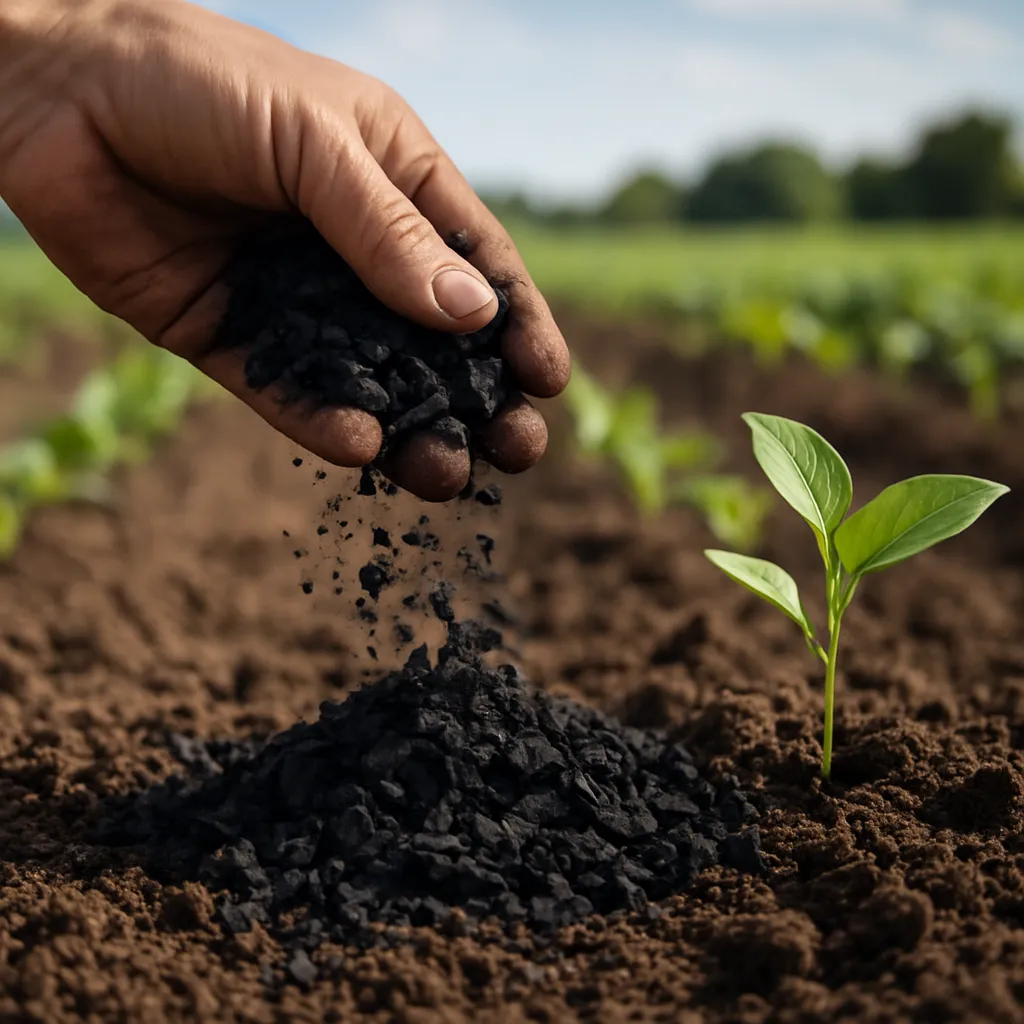
- Applying organic mulches—straw, wood chips, or compost—creates a protective layer that moderates soil temperature and retains moisture.
- Incorporating green manures or cover crops in off-seasons builds organic matter, improving water infiltration and nutrient-holding capacity.
Planting Techniques and Density
Correct seed placement and spacing reduce competition for limited moisture:
- Raised beds or ridges can channel scarce water directly to roots and improve drainage during sporadic rains.
- Wider plant spacing lowers transpiration rates across densely planted foliage.
Crop Rotation and Intercropping
Diversifying cropping patterns offers multiple benefits in arid systems:
- Rotating cereals with legumes maintains soil nitrogen levels and suppresses weed and pest cycles.
- Intercropping drought-tolerant vegetables under taller sorghum or millet can create microclimates that reduce water loss and extreme solar exposure.
Integrated Pest and Disease Management
Proactive strategies protect yields without excessive water or chemical inputs:
- Monitoring pest populations and employing biological controls preserves natural predator communities that flourish under low-moisture conditions.
- Using resistant or tolerant varieties minimizes losses and reduces the need for water-intensive treatments.
Implementing a Resilient Dryland Farming System
By combining adaptation-focused crop selection with resource-saving techniques, arid-region farmers can build profitable and environmentally friendly operations. Continuous experimentation—trialing new varieties, adjusting planting dates, and fine-tuning irrigation—ensures that systems evolve with changing climate patterns. The integration of agroecological principles, water management technologies, and informed variety choice lays the groundwork for a thriving agricultural landscape, even in the most demanding dryland environments.