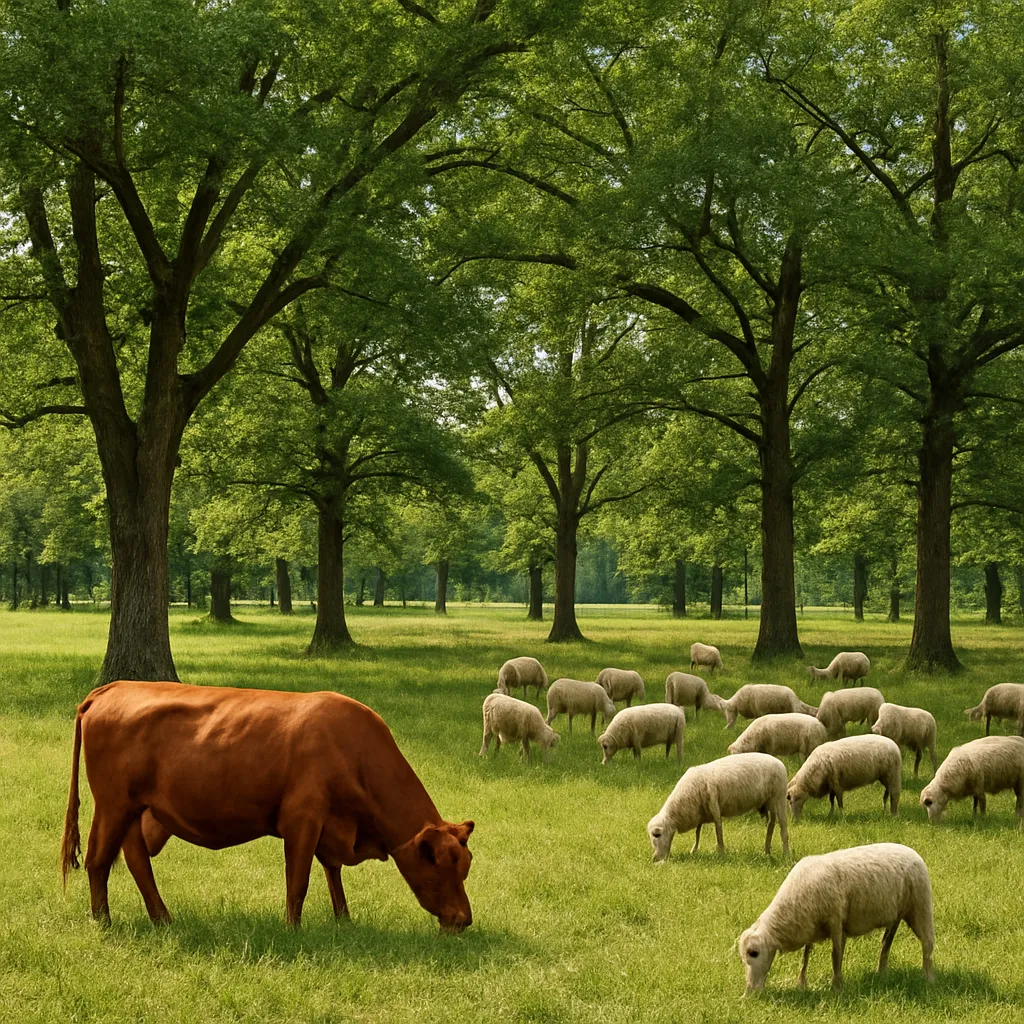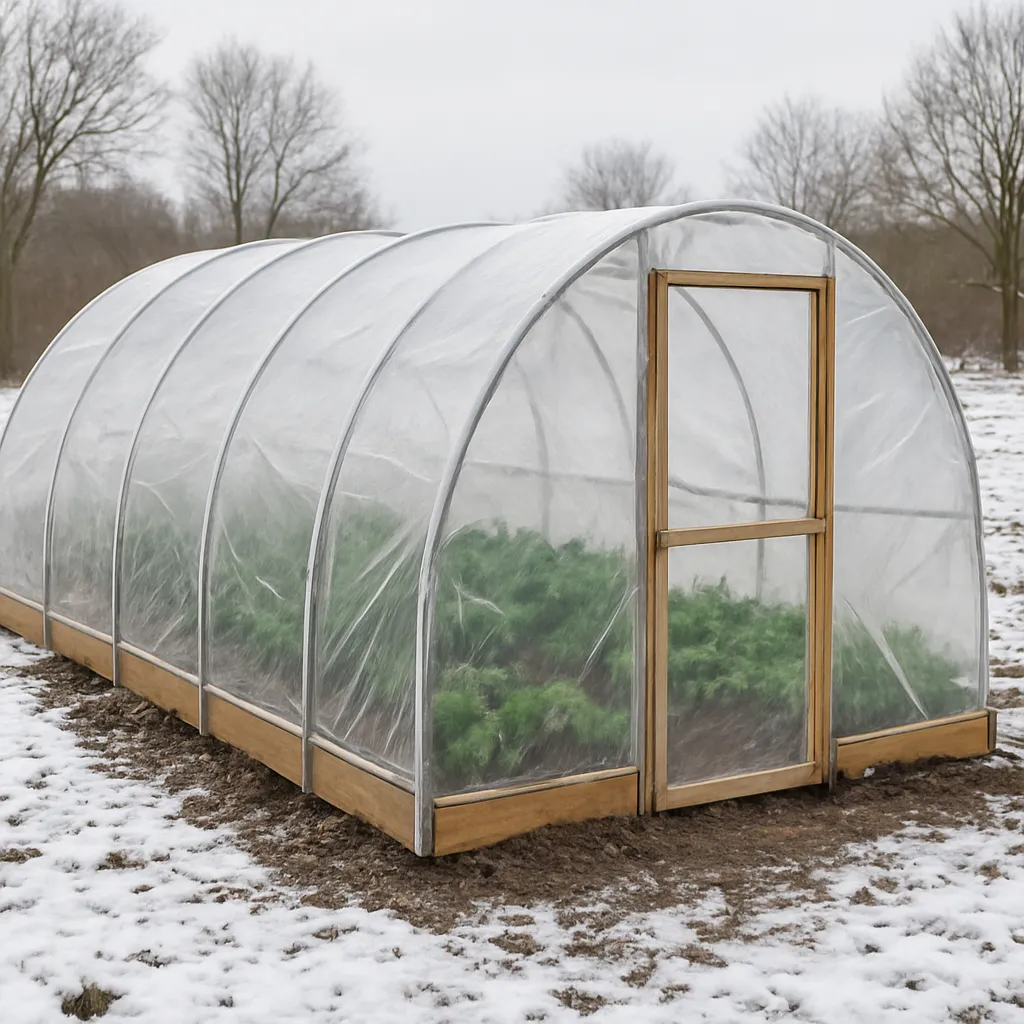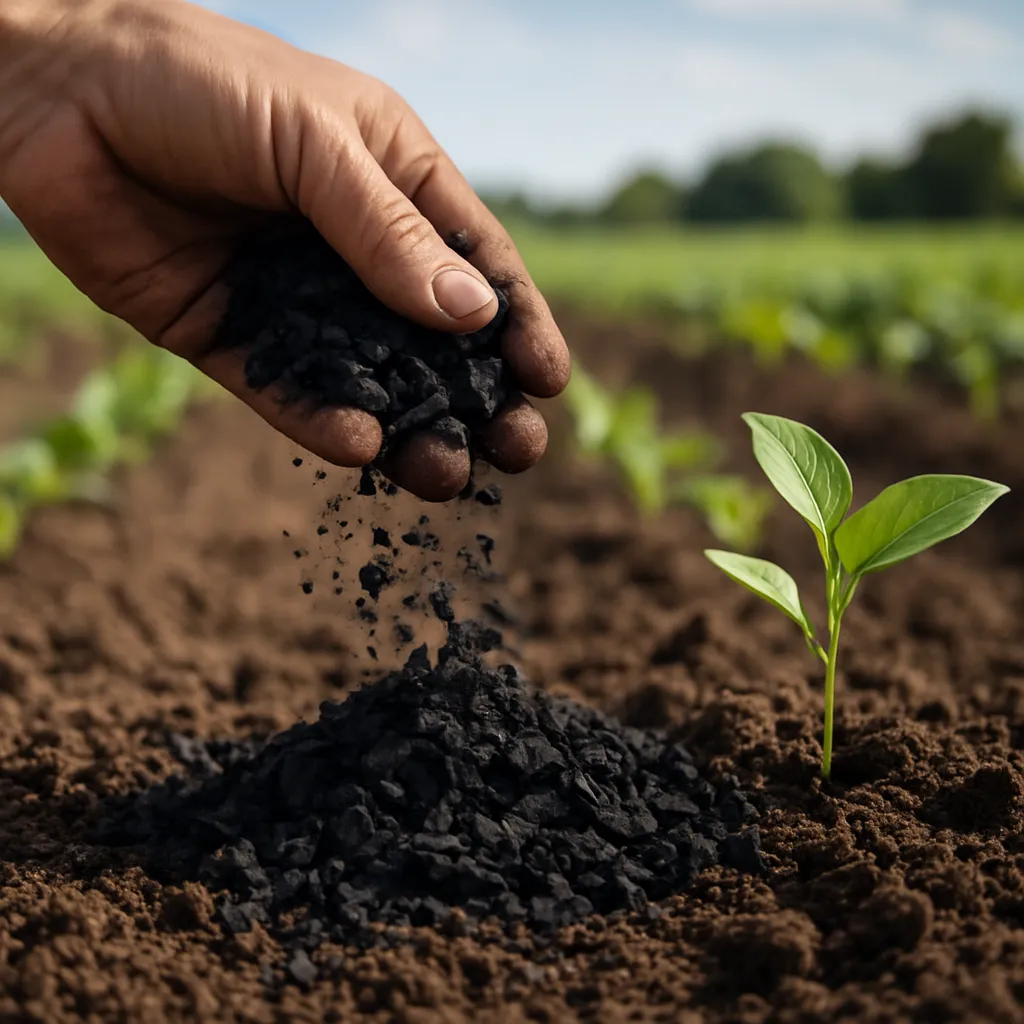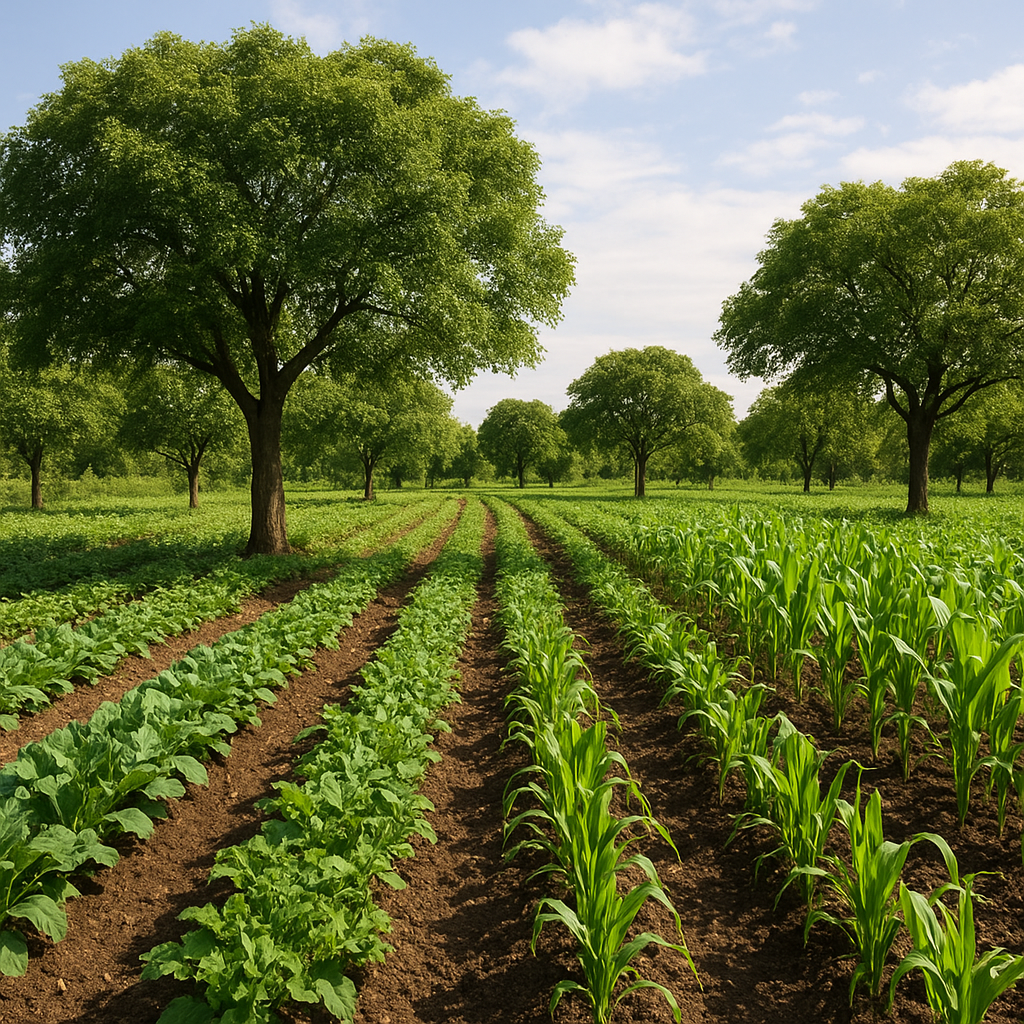
The integration of trees within farmland can transform traditional agricultural landscapes into dynamic, multifunctional systems that offer a wide range of environmental, economic and social advantages. By blending woody perennials with crops and/or livestock, agroforestry harnesses the complementary interactions between plant species to optimize resource use, bolster ecosystem health and strengthen rural livelihoods.
Enhanced biodiversity and ecosystem Services
One of the most significant outcomes of implementing an agroforestry approach is the improvement of on-farm biodiversity. Trees introduce vertical and horizontal structural diversity, creating microhabitats for birds, insects, pollinators and soil organisms. This increase in species richness supports robust natural pest control, as predatory insects and birds help suppress populations of agricultural pests. At the same time, flowering trees attract pollinators such as bees and butterflies, boosting yields in pollinator-dependent crops.
By establishing perennial strata above annual crops, agroforestry systems enhance soil stabilization and regulate the local water cycle. Leaf litter and root systems reduce erosion, increase water infiltration and promote groundwater recharge. The presence of trees also contributes to improved microclimatic conditions: shading can lower daytime temperatures, reduce heat stress on crops and animals, and conserve soil moisture during dry periods. These sustainability-driven benefits help farms become more resilient to extreme weather events and erratic rainfall patterns.
Improved soil Health and Fertility
Soil Structure and Nutrient Cycling
Deep-rooted tree species in an agroforestry scheme tap into subsoil layers, mining nutrients unreachable by shallow-rooted crops. These nutrients are brought to the surface via leaf fall and woody debris, enriching the topsoil organic matter. Earthworms and other soil fauna flourish in such enriched environments, further breaking down organic inputs and enhancing soil porosity. This improved soil structure facilitates better root penetration, gas exchange and water retention, translating into higher productivity for both the tree and crop components.
Erosion Control and Water Retention
Gentle slopes planted with rows of trees parallel to the contour act as living barriers, reducing the velocity of runoff and capturing sediment. This practice limits topsoil loss, thus preserving the most fertile layer of soil. In arid and semi-arid regions, the shade provided by tree canopies cuts down on evaporation, allowing fields to retain moisture for extended periods. Enhanced water retention reduces irrigation needs, cutting down on energy and labor costs while preserving scarce water resources.
Climate Change Mitigation and carbon Sequestration
Integrating trees within agricultural landscapes presents a powerful avenue for capturing atmospheric carbon dioxide. As trees grow, they sequester carbon in biomass above and below ground, while soils beneath mature agroforestry systems accumulate stable organic carbon compounds. This combined storage capacity often exceeds that of monoculture cropping systems, helping to offset greenhouse gas emissions from agricultural activities.
Moreover, agroforestry can reduce the need for synthetic inputs such as chemical fertilizers. By fostering nutrient cycling and biological nitrogen fixation through leguminous trees, farmers can cut back on fertilizers produced through energy-intensive industrial processes. Lower fertilizer use translates into fewer nitrous oxide emissions, a potent greenhouse gas, thereby amplifying the climate benefits of this land management approach.
Economic and Social Advantages
Income Diversification and Stability
Agroforestry systems provide multiple sources of revenue. Beyond staple crops, farmers can harvest fruits, nuts, timber, firewood, fodder, resins or medicinal products from trees. Markets for non-timber forest products are growing, offering farmers fresh opportunities for value addition and higher returns. By staggering harvest times across different species, producers can smooth out income streams and reduce vulnerability to price fluctuations in any single commodity.
Community resilience and Social Well-being
Adopting agroforestry can strengthen rural communities by creating new employment in nursery management, planting, harvesting and processing of tree-based products. Diversified on-farm activities foster skill development and encourage knowledge exchange among farmers, extension agents and researchers. As local supply chains for timber, fruit and biomass develop, rural economies benefit from increased economic activity and reduced dependence on external inputs.
Agroforestry also enhances food security. By growing complementary species within the same area, farmers reduce the risk of total crop failure. Even during years of drought or flood, trees may still produce harvestable yields, whether through fodder for livestock or secondary products that sustain household livelihoods.
Design Considerations for Successful Implementation
Tailoring an agroforestry system to specific site conditions and farmer objectives is critical. Key factors include selecting appropriate tree and crop species, determining optimal planting densities, and establishing management regimes for pruning, thinning and harvesting. Farmer training and ongoing advisory services are essential to ensure that agroforestry practices align with local soil types, climate patterns and market opportunities.
Participatory planning involving community members helps identify priority constraints and co-develop solutions. Such collaboration encourages ownership of agroforestry initiatives, leading to better long-term maintenance and adaptation. In many regions, farmer field schools and demonstration plots have proven effective in showcasing agroforestry benefits and inspiring wider adoption.
The Future of agroforestry and Landscape Conservation
As global pressures on land and water resources intensify, the importance of integrated land-use strategies becomes increasingly apparent. Agroforestry stands at the forefront of climate-smart agriculture, offering pathways to reconcile conservation goals with the imperative to feed a growing population. Policy frameworks that recognize the multifunctional value of tree-based systems—through incentives, technical assistance and research investments—can accelerate adoption at scale.
Innovations in remote sensing, modelling and data analytics are improving our ability to monitor system performance and evaluate the long-term impacts of agroforestry on biodiversity, carbon stocks and farm profitability. By harnessing these tools, farmers, scientists and policymakers can refine best practices and amplify the benefits of tree–crop–livestock integration across diverse agroecological zones.
Strengthening Partnerships and Knowledge Networks
Successful expansion of agroforestry relies on strong partnerships between public agencies, non-governmental organizations, research institutions and the private sector. Collaborative efforts to develop value chains for tree products, create training modules and streamline certification processes are essential for scaling up adoption. Knowledge-sharing platforms—both virtual and in-person—facilitate the exchange of experiences, lessons learned and technological advances.
International initiatives, such as regional agroforestry networks and intergovernmental programs, can mobilize resources and coordinate large-scale demonstration projects. By connecting local innovations with global expertise, these networks accelerate progress toward sustainable landscapes that deliver environmental integrity, profitability and social prosperity.