farming.kim

Tips for Starting a Family Farm

Embarking on the journey of building a family farm blends generational wisdom with modern practices to create a thriving, multi‐generational enterprise. This path requires careful attention to land, resources, and market demands, balanced by a genuine passion for stewardship and…

Read More

The Role of Microbes in Soil Fertility

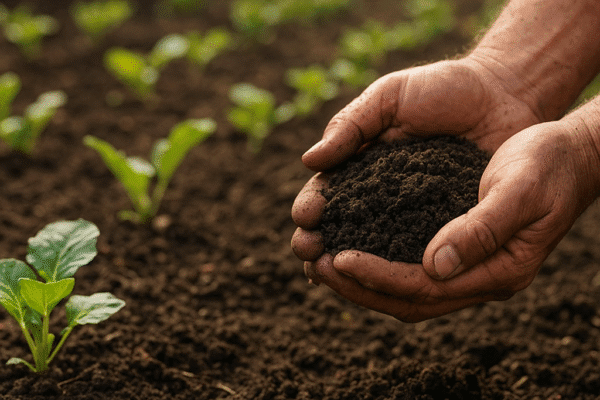
The hidden world beneath our feet is teeming with life. This vibrant ecosystem, driven by microbes, plays a critical role in maintaining soil fertility. From decomposing organic residues to forming symbiotic partnerships with plant roots, these microscopic organisms orchestrate processes…

Read More

Managing Soil Erosion on Farmland

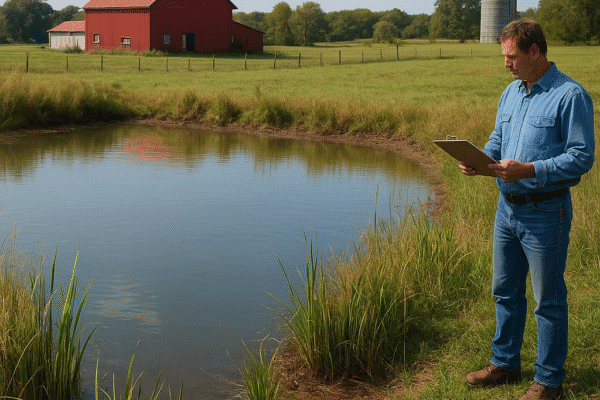
Effective management of soil erosion is essential for maintaining productivity on farmland. Erosion not only depletes valuable topsoil but also leads to sedimentation in waterways, reduced water quality, and long-term land degradation. By understanding the causes, implementing targeted prevention techniques,…

Read More

How to Start a CSA Program

Community Supported Agriculture (CSA) offers a unique way for farmers to build a direct connection with consumers while sharing the risks and rewards of each season’s harvest. By inviting members to subscribe in advance, growers can secure reliable income, streamline…

Read More

Best Livestock Breeds for Small Farms

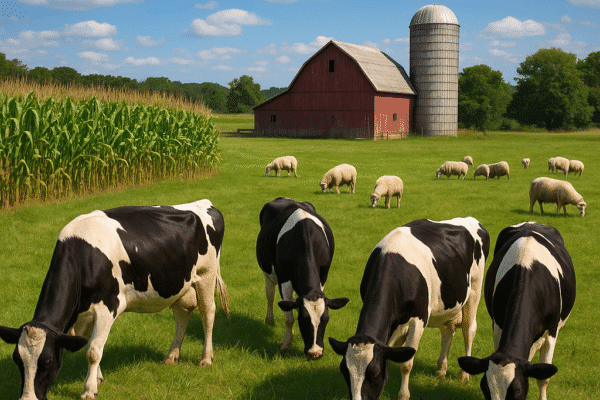
Small-scale farming presents unique challenges and opportunities. Selecting the right livestock breeds can turn a modest plot into a thriving homestead. By focusing on animals that excel in limited spaces, farmers unlock benefits such as sustainable production, enhanced profitability, and…

Read More

Benefits of Rotational Grazing

Rotational grazing offers a dynamic approach to pasture management that can transform a conventional farm into a thriving, resilient operation. By moving livestock systematically between paddocks, farmers can achieve forage quality improvements, bolster soil health, and foster biodiversity. This method…

Read More