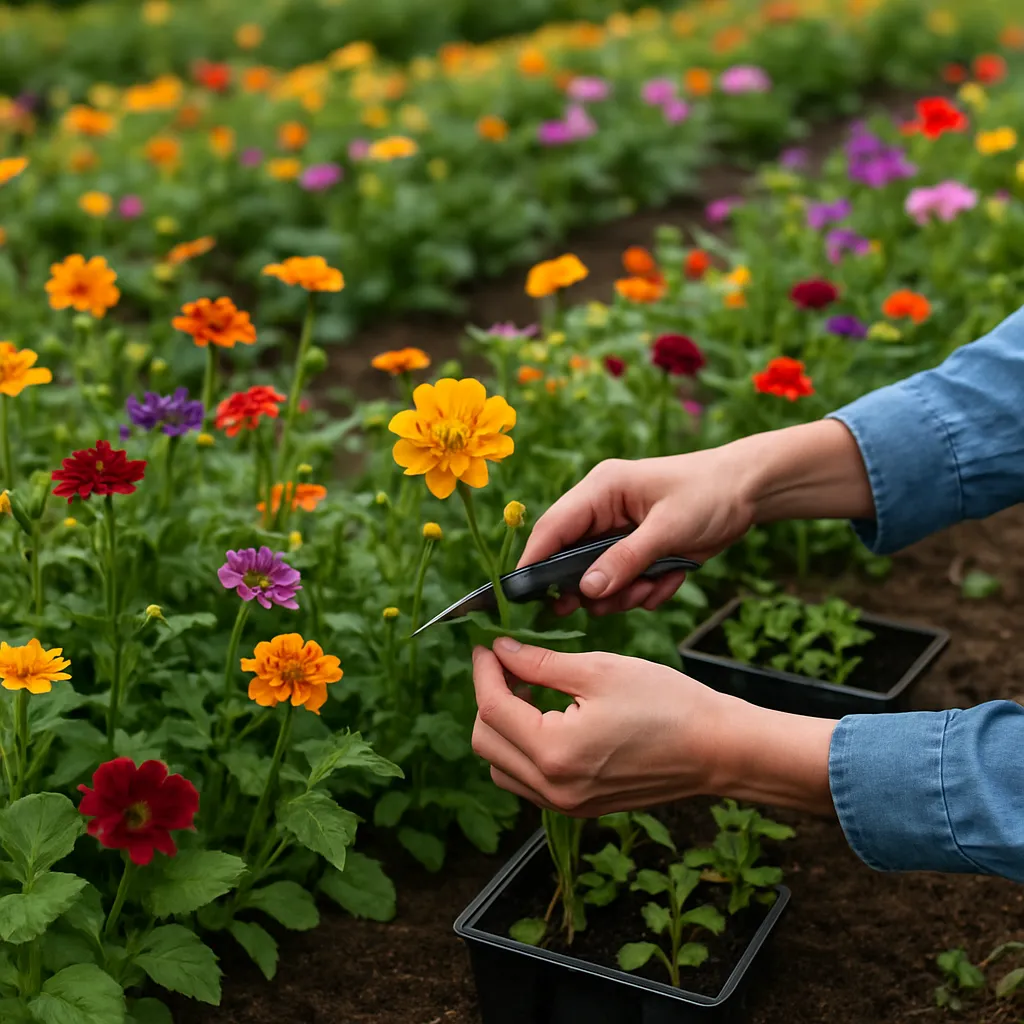
Growing edible flowers for commercial sale can be an exciting and rewarding venture, blending horticulture with culinary artistry. From vibrant pansies and delicate nasturtiums to fragrant rose petals and versatile calendula, each bloom offers unique flavors, colors, and textures. This guide outlines essential steps to launch a successful edible flower operation, focusing on effective planning, efficient cultivation, and savvy marketing strategies.
Planning and Preparing Your Edible Flower Farm
Selecting Flower Varieties
Choosing the right varieties is the first step toward a thriving enterprise. Consider flowers that are well-known for their taste and safety, such as:
- Nasturtium (Tropaeolum majus): Peppery flavor, vibrant colors
- Pansy (Viola tricolor): Subtle sweetness, heat-tolerant
- Marigold (Tagetes spp.): Citrus-like zest, pest-repellent qualities
- Rose (Rosa spp.): Fragrant petals, versatile uses
- Calendula (Calendula officinalis): Mildly tangy, medicinal reputation
Look for cultivars with strong disease resistance and consistent bloom cycles. Test small batches to gauge consumer response before scaling up.
Assessing Your Site and Climate
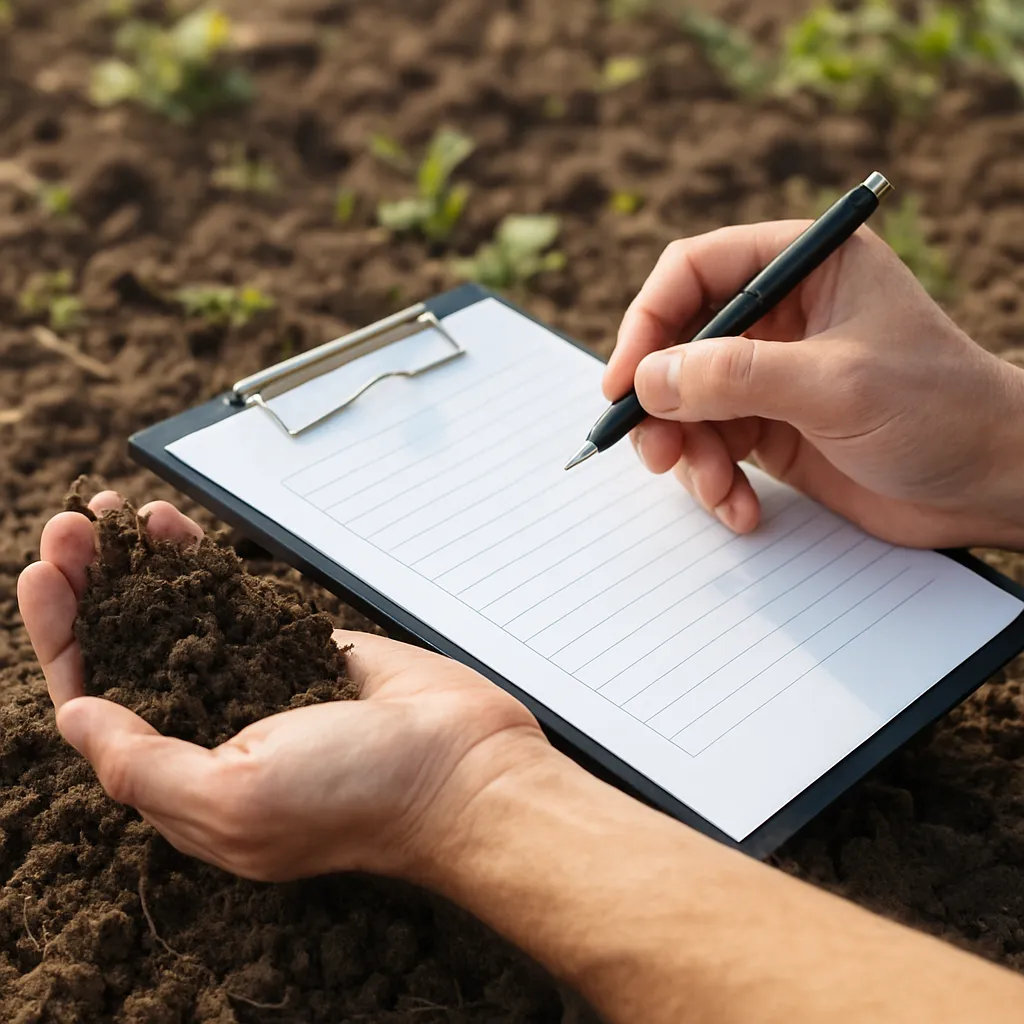
A prime location offers ample sunlight, well-drained soil, and protection from extreme weather. Conduct a soil test to determine pH and nutrient levels. Most edible flowers thrive in a slightly acidic to neutral pH (6.0–7.0). Ensure there is good air circulation to minimize fungal issues and space planting beds to allow easy access for harvesting.
Soil Preparation and Amendments
Healthy soil underpins sustainable growth. Incorporate well-rotted compost or organic matter to boost fertility and water retention. Employ crop rotation to break pest cycles and maintain long-term productivity. For each planting bed:
- Dig in a 2–4 inch layer of organic compost.
- Add a balanced organic fertilizer (e.g., 5-5-5 NPK) at recommended rates.
- Install drip irrigation to conserve water and deliver moisture directly to roots.
Cultivation Practices for High-Yield Production
Propagation Methods
Edible flowers can be grown from seeds, transplants, or cuttings. Each method has advantages:
- Seeds: Cost-effective, ideal for large-scale plantings, but require more time to establish.
- Transplants: Provide a head start, ensure uniformity, reduce weed competition.
- Cuttings: Useful for roses and herbs like lavender, maintain genetic consistency.
Sow seeds in trays filled with a sterile starting mix under controlled temperatures (65–75°F). Keep the medium moist and provide gentle airflow. Transplant seedlings once they exhibit 2–3 true leaves and the risk of frost has passed.
Irrigation and Water Management
Fresh blooms demand regular moisture without waterlogging roots. Drip lines and soaker hoses maintain even soil moisture while reducing foliage wetness and disease risk. Schedule irrigation based on soil moisture readings, aiming for 1–1.5 inches of water per week. During hot spells, monitor soil moisture daily.
Fertilization and Nutrient Management
Edible flowers require balanced nutrition to produce vivid colors and robust petals. Follow these guidelines:
- Apply an organic liquid feed rich in micronutrients every 3–4 weeks during the growing season.
- Supplement with calcium and magnesium if blossom end rot or leaf chlorosis appears.
- Ensure adequate levels of phosphorus to support strong root and flower development.
Use foliar sprays of seaweed extract to enhance plant vigor and increase resistance to environmental stresses.
Pest and Disease Control
Maintaining health is critical for a market-ready product. Integrated Pest Management (IPM) strategies include:
- Regular scouting for aphids, thrips, and caterpillars.
- Encouraging beneficial insects such as ladybugs, lacewings, and pollinators in a dedicated buffer strip of wildflowers.
- Applying organic-approved insecticidal soaps or neem oil when infestations exceed threshold levels.
- Practicing good sanitation: remove spent blooms and plant debris.
Harvesting and Post-Harvest Handling
Optimal Harvest Times
For peak flavor, aroma, and aesthetic appeal, harvest during the coolest hours of the day—early morning or late afternoon. Select fully open blooms or buds at the first sign of color, depending on the species. Use sanitized scissors or knives to avoid mechanical damage and microbial contamination.
Post-Harvest Cooling and Storage
Rapid cooling preserves freshness. Immediately place harvested flowers in a refrigerated environment (34–40°F). Use food-grade ice packs and perforated containers to maintain high humidity (90–95%) without causing condensation on petals. Proper storage can extend shelf life up to 10 days for hardy varieties; more delicate blooms may last 3–5 days.
Quality Control
Before packaging for sale, inspect each flower for blemishes, insects, or wilting. Discard any compromised blooms to maintain overall quality standards. Rotate stock frequently to ensure FIFO (first in, first out) and minimize waste.
Packaging, Branding, and Marketing Strategies
Packaging Solutions
Appealing packaging protects fragile petals and communicates value. Options include:
- Biodegradable clamshell containers with breathable vents.
- Clear cellulose sleeves tied with twine and a branded label.
- Custom-designed boxes that cradle blooms and include moisture pads.
Include care instructions and suggested culinary uses to engage buyers and encourage repeat purchases.
Setting Prices and Profit Margins
Calculate costs for seeds, labor, materials, utilities, and packaging. Aim for a retail price that covers expenses while reflecting the premium nature of sustainability-focused, locally grown produce. Consider direct-to-consumer avenues such as farmers’ markets and subscription boxes, which often command higher margins than wholesale channels.
Building Your Brand and Outreach
Digital presence and community engagement are key. Effective tactics include:
- Creating a professional website with vibrant photos showcasing edible flower applications.
- Maintaining active social media profiles, sharing recipe ideas, behind-the-scenes farm insights, and customer testimonials.
- Collaborating with local chefs, bakeries, and caterers for co-branded promotions and menu features.
- Hosting on-farm workshops or virtual tutorials to demonstrate plating techniques and flavor pairings.
Highlight the farm’s commitment to organic practices, responsible water use, and biodiversity. Emphasize partnerships with pollinator conservation groups and community gardens to strengthen your brand’s reputation.
Scaling Up and Diversifying Income Streams
Extending the Season
Incorporate hoop houses or low tunnels to begin planting early and prolong harvest into fall. Choose cold-hardy varieties like pansies and calendula to capitalize on cooler temperatures.
Value-Added Products
Transform surplus blooms into jellies, tinctures, and infused honeys. Packaged jars with decorative labels can be sold through boutique stores, gift shops, or online platforms. Marketing value-added goods underscores your farm’s creativity and allows for higher price points.
Educational Services
Offer on-site classes, farm tours, and corporate team-building experiences centered on designing edible bouquets and tea blends. Educational events deepen customer relationships and create additional revenue streams.
Conclusion
Launching an edible flower business involves thoughtful selection of varieties, meticulous soil and nutrient management, and careful post-harvest handling. By implementing sustainable practices, leveraging creative packaging, and engaging diverse marketing channels, growers can build a profitable enterprise that delights chefs, bakers, and home cooks alike. With dedication, continuous learning, and a passion for beauty and flavor, edible flower farming can bloom into a vibrant, rewarding venture.