Aquaponics represents a revolutionary approach in modern agriculture, blending fish culture with plant production to create a self-sustaining, symbiotic environment. By harnessing the natural processes of nutrient exchange, this method delivers high yields while minimizing resource inputs. Enthusiasts and professionals alike are discovering how an integrated system can transform traditional farming into a more efficient, eco-friendly practice.
Understanding the Principles of Aquaponics Systems
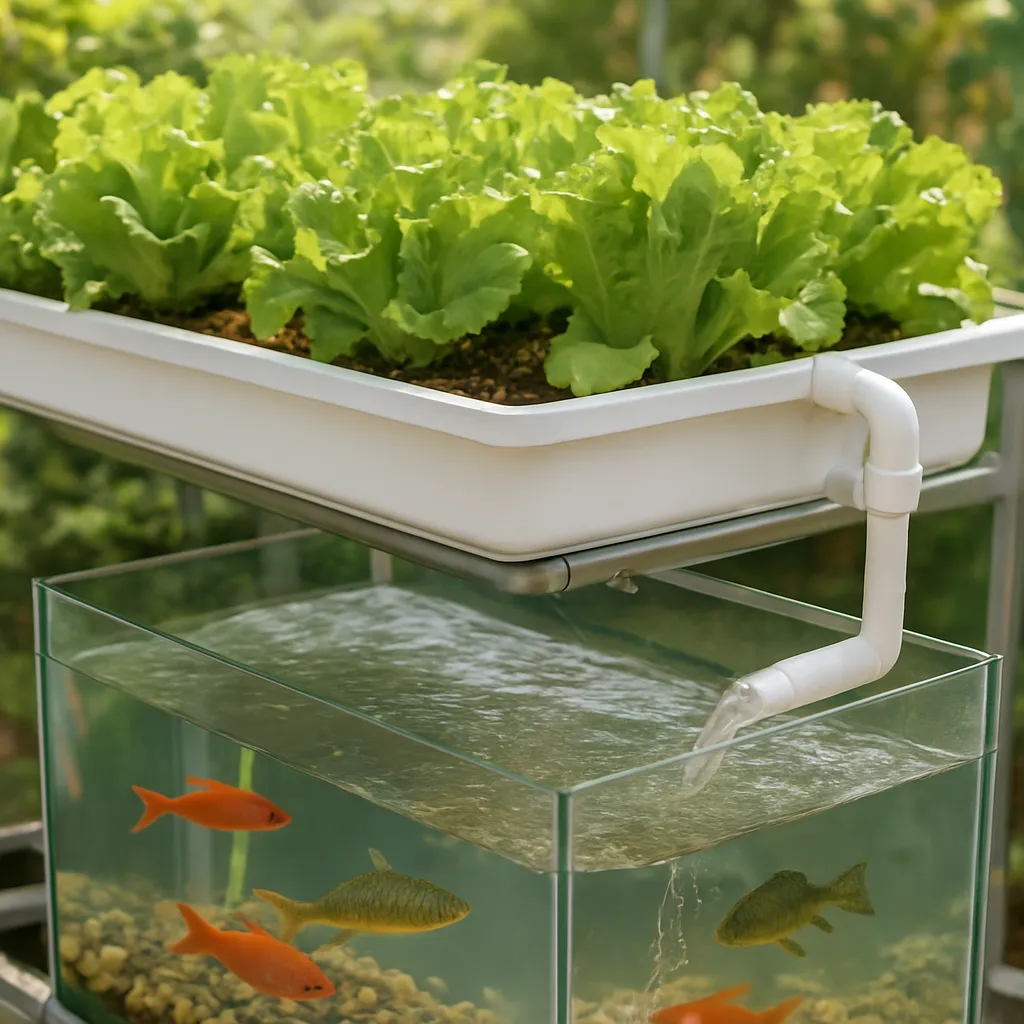
At its core, aquaponics merges two well-established techniques: aquaculture and hydroponics. Fish are raised in tanks where their waste accumulates as ammonia. Beneficial bacteria convert this ammonia first into nitrites and then into nitrates, a process known as nitrification. These nutrient cycling bacteria colonize media beds or biofilters, supplying essential nutrients to plant roots. As plants absorb nitrates, they purify the water, which then returns to the fish tanks in a continuous loop.
This closed-loop design maximizes water conservation, using up to 90% less water than conventional soil farming. It also eliminates the need for synthetic fertilizers, relying on a natural ecosystem to sustain both flora and fauna. The result is a dynamic, balanced environment where waste is repurposed and nothing goes to waste.
Essential Components for a Thriving Aquaponics Operation
- Fish Tank: The heart of the system, varying in size depending on production goals. Common species include tilapia, trout, catfish and ornamental fish like koi.
- Grow Beds: Containers filled with inert media such as expanded clay pellets, gravel or perlite. They support plant roots and host beneficial bacteria.
- Biofilter: A dedicated zone or separate unit that optimizes bacterial colonies to process fish waste more efficiently.
- Water Pump and Piping: Ensures steady circulation between fish tanks and grow beds, maintaining oxygen levels and nutrient distribution.
- Air Pump or Aerator: Provides additional dissolved oxygen crucial for fish health and bacterial activity.
- Monitoring Equipment: Includes pH meters, thermometers, ammonia testers and electrical conductivity (EC) probes to keep conditions within optimal ranges.
Environmental and Economic Upsides
Embracing aquaponics offers many advantages that appeal to both large-scale producers and small urban growers:
- Reduced Water Usage: Closed-loop circulation dramatically cuts water demand compared to field irrigation.
- Elimination of Chemical Fertilizers: Fish waste supplies all essential macronutrients and micronutrients.
- Higher Yield per Square Foot: Intensive planting and vertical stacking boost productivity, making it ideal for urban spaces.
- Multiple Revenue Streams: Grow leafy greens, herbs, tomatoes or peppers alongside edible fish, diversifying income.
- Minimal Environmental Impact: No runoff of pesticides or fertilizers into waterways, supporting biodiversity and soil health.
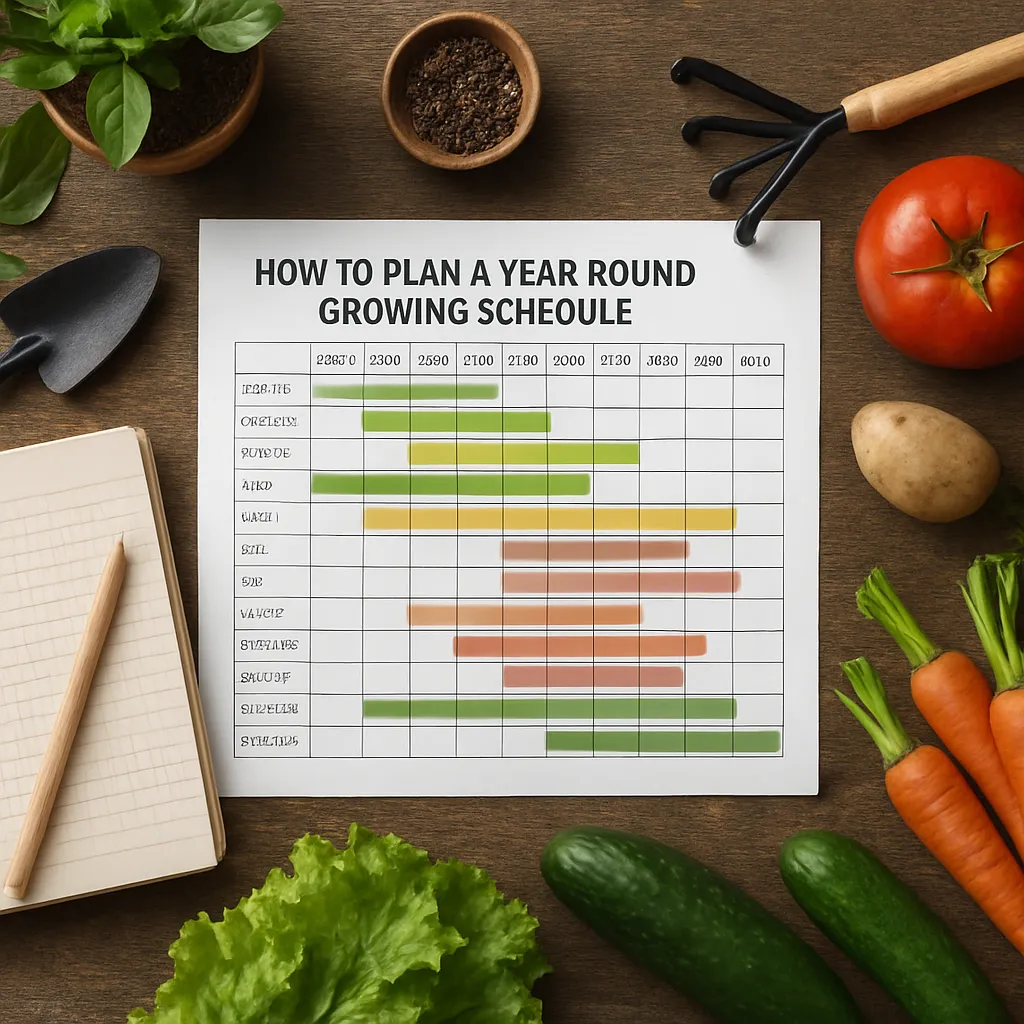
- Year-Round Production: Controlled environments and greenhouse integration enable continuous harvests regardless of season.
Overcoming Common Obstacles
Water Quality Management
Maintaining stable pH (typically between 6.8 and 7.2) and temperature is crucial. Sudden shifts can stress fish and inhibit bacterial conversion. Employ buffering agents or gradual acclimation techniques to prevent spikes.
Nutrient Imbalance
While fish waste is rich in nitrogen, deficiencies in iron, calcium or potassium may arise. Supplement with organic mineral blends or use an iron chelate to correct trace-element shortages.
System Cycling and Start-Up
New installations require a “cycling” period for bacteria to establish. Introduce ammonia through decaying feed or pure sources, then monitor nitrite and nitrate levels until stability is achieved. Patience during this phase ensures a healthy, sustainable framework.
Disease and Pest Control
Aquaponics reduces many soil-borne diseases, yet pests like aphids or fish pathogens can occur. Integrated pest management, beneficial insects and periodic water sterilization (e.g., UV treatment) help maintain balance without harming aquatic life.
Emerging Trends and Technological Advances
Innovation continues to push aquaponics beyond backyard setups into large-scale commercial farms. Advanced monitoring systems use Internet of Things (IoT) sensors to track parameters in real time, enabling remote alerts and automated dosing. Organic farming certification is increasingly attainable, opening premium markets for produce and fish. Vertical and stacked configurations maximize space efficiency, while renewable energy sources—solar panels and wind turbines—power pumps and lighting, further reducing operational costs.
Modular, containerized units are gaining popularity in urban environments, offering turnkey solutions to restaurants, schools and community centers. Coupling aquaponics with fish farming heritage or local hydroponic networks creates collaborative hubs that share knowledge, seedlings and surplus yields. Universities and research institutions are exploring genetic optimization in both plants and fish to enhance growth rates and disease resistance.
Maximizing Success in Your Aquaponics Journey
Whether embarking on a hobby-scale project or developing a commercial venture, consider these best practices:
- Research local fish regulations and permitted species.
- Invest in quality monitoring tools and back-up power sources.
- Design for scalability, starting small and expanding as expertise grows.
- Network with local growers, join forums and attend workshops to learn from seasoned practitioners.
- Prioritize biosecurity by quarantining new fish and sterilizing equipment between cycles.
By integrating these strategies, cultivators can unlock the full potential of aquaponics, achieving remarkable yields and fostering truly sustainability within the agricultural sector.