Planning an effective farm crop calendar is a foundational practice for any grower aiming to maximize yield, streamline operations, and respond to shifting agricultural demands. A well-designed schedule helps align planting dates with climatic windows, anticipate labor peaks, and integrate sustainable practices. By carefully mapping out each stage— from seed selection to post-harvest handling—farmers can reduce waste, boost profitability, and promote long-term soil productivity. This guide outlines key strategies and considerations to develop a comprehensive crop calendar tailored to your farm’s unique needs.
Understanding the Importance of a Crop Calendar
Before charting dates on a calendar, it is crucial to grasp why a detailed schedule matters. A crop calendar is more than a timeline; it is a strategic tool for:
- Yield optimization: Scheduling planting and harvesting at ideal windows can significantly increase productivity per acre.
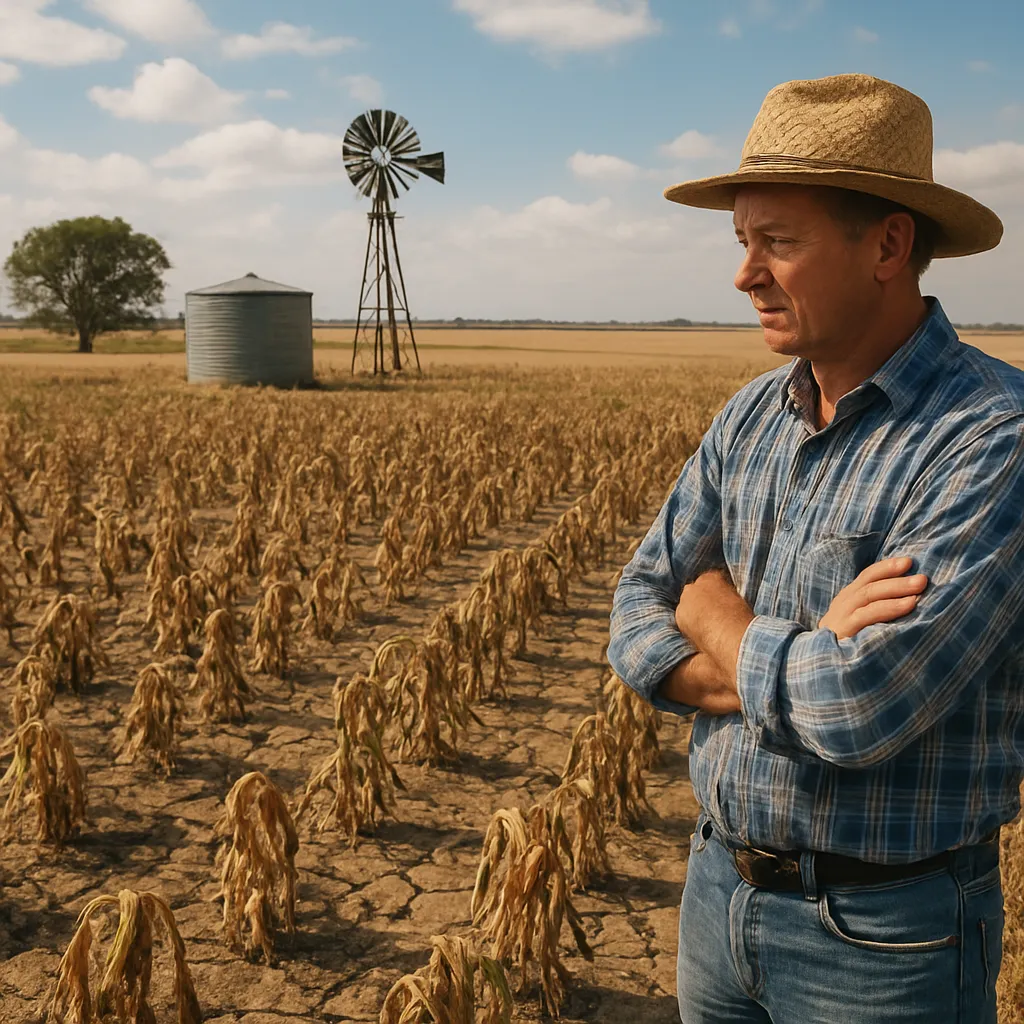
- Risk mitigation: Anticipating seasonal weather events like frost or drought helps safeguard crops against unexpected losses.
- Resource efficiency: Coordinated tasks prevent bottlenecks in labor, machinery use, and input application.
- Sustainable practices: Integrating crop rotation and cover cropping into a calendar supports soil health and reduces dependency on chemical inputs.
Assessing Farm Resources and Goals
Every farm is unique in terms of size, soil characteristics, labor capacity, and market focus. Begin by conducting a thorough inventory of on-farm assets:
- Land parcels and their soil type, pH, drainage, and historical performance
- Equipment availability such as tractors, planters, and harvesting machinery
- Labor force size, skill levels, and seasonal availability
- Water resources, existing irrigation scheduling, and infrastructure
- Storage facilities and post-harvest handling capacity
Next, clarify your production goals. Are you aiming for high-value specialty crops, staple grains, or a mix designed to balance market demand and risk? Defining objectives—whether yield targets, income levels, or ecological benchmarks—will guide crop choices and the sequence of planting.
Mapping Seasonal Planting and Harvesting Windows
Successful scheduling hinges on aligning crop life cycles with local climate patterns. Use historical data and regional extension recommendations to identify:
- Last spring and first fall frost dates
- Rainfall distribution, average temperatures, and heat unit accumulation (Growing Degree Days)
- Peak periods of disease or pest management concerns
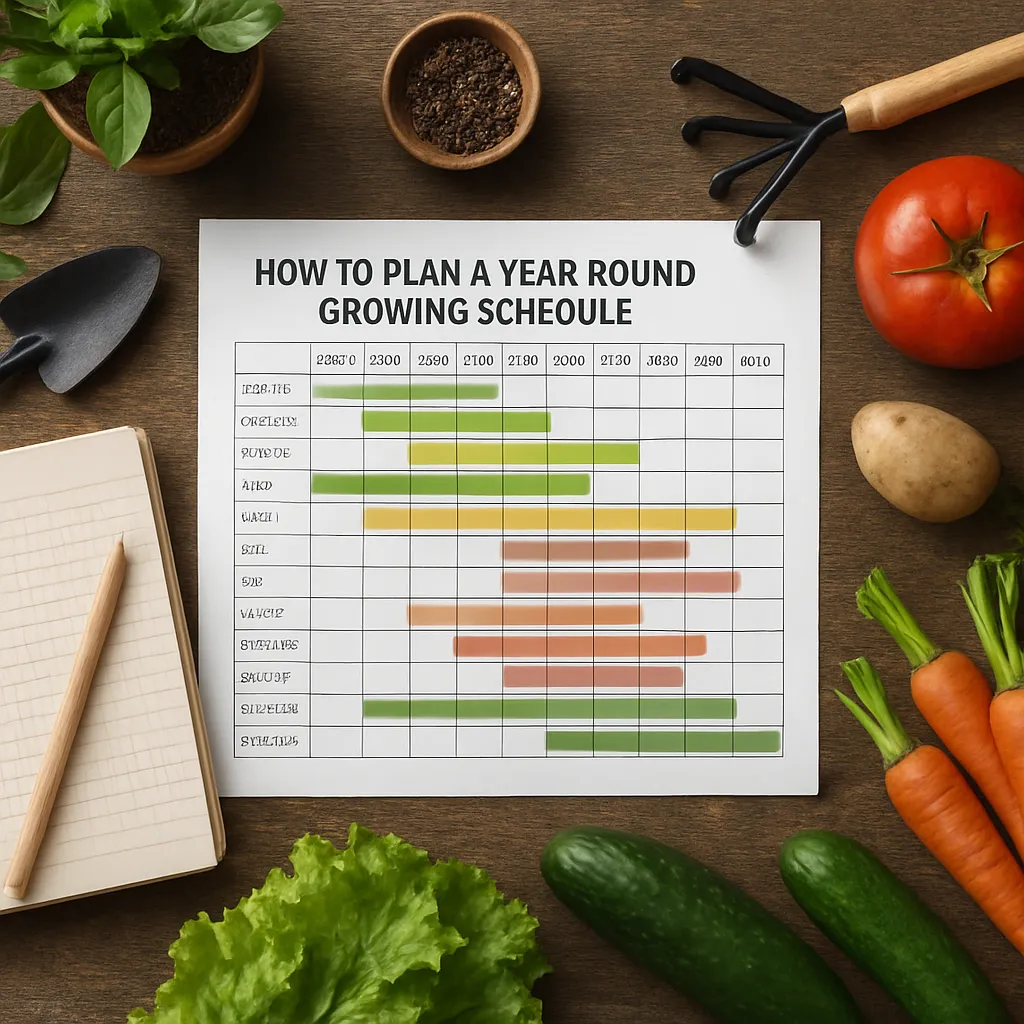
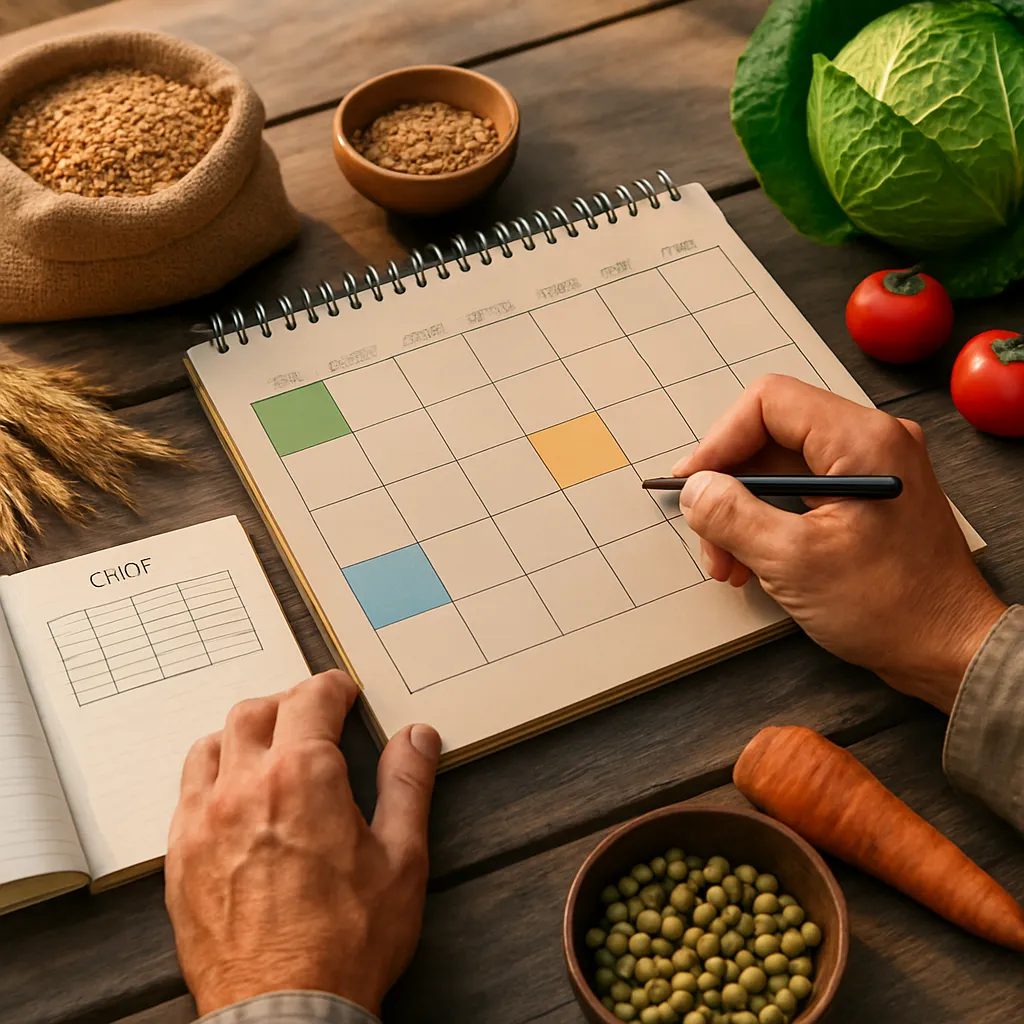
Create a visual timeline that marks these climatic milestones. Then slot your selected crops according to their days-to-maturity. Consider staggering plantings of the same crop to spread labor demands and hedge against weather variability.
Example Timeline
- Early Spring: Cool-season vegetables (lettuce, spinach) planted as soon as soil is workable.
- Late Spring: Warm-season crops (corn, tomatoes) after soil temperatures reach 60°F.
- Summer: Second plantings of quick-maturing greens and succession beans.
- Fall: Root crops (beets, carrots) sown 10 weeks before expected frost.
Incorporating Crop Rotation and Cover Cropping
Integrating crop rotation into your calendar supports long-term productivity. Plan sequences that alternate families—such as legumes, brassicas, and solanaceous crops—to interrupt pest and disease cycles, and enhance nitrogen fixation.
- Year 1: Legumes (peas, beans) to boost soil nitrogen
- Year 2: Brassicas (cabbage, broccoli) taking advantage of improved fertility
- Year 3: Solanaceae (peppers, tomatoes) with targeted nutrient management
- Off-season: Cover crops (rye, clover) to prevent erosion and add organic matter
Schedule cover crop incorporation and termination dates to ensure green manures are effectively decomposed before primary cash crops are planted. This timing is critical for balancing soil moisture and nutrient availability.
Selecting Varieties and Scheduling Seed Procurement
Choosing the right cultivars and ensuring timely seed delivery are essential steps. Use the following criteria:
- Days to maturity consistent with your local season length
- Resistance traits for common pest management or disease pressures
- Market preferences for size, color, and flavor profiles
- Seed viability dates and shelf life
Place orders well in advance—ideally several months before your earliest planting date—to avoid supply delays. Incorporate a buffer in your calendar for unanticipated shortages or germination issues.
Developing an Irrigation and Fertilization Schedule
Water management and nutrient delivery are synchronized with crop growth stages. Outline the following:
- Pre-plant irrigation to achieve uniform soil moisture
- Critical growth phases when water demand peaks (tasseling in corn, fruit set in tomatoes)
- Fertilizer application dates aligned with key developmental milestones
- Integration of soil tests and leaf tissue analyses for data-driven adjustments
Embedding these tasks in your crop calendar ensures that irrigation equipment and labor are available precisely when needed, enhancing overall resource efficiency.
Monitoring, Record Keeping, and Data Analysis
A dynamic crop calendar evolves based on feedback. Maintain detailed records of planting dates, germination rates, pest or disease incidents, and harvest yields. Use these insights for data analysis:
- Compare actual versus planned timelines to identify bottlenecks
- Track weather anomalies and correlate them with crop performance
- Assess profitability per crop and adjust future acreage allocations
By reviewing these data points annually, you can refine your calendar, adapt to changing climate patterns, and continually improve farm productivity.
Adjusting for Market Fluctuations and Diversification
Supply and demand dynamics may shift rapidly due to consumer trends, export opportunities, or price volatility. Build flexibility into your calendar by:
- Allocating buffer weeks for last-minute cultivar changes
- Reserving a portion of acreage for trial crops or high-margin specialty varieties
- Planning staggered harvests to maintain consistent market supply
This approach supports on-farm innovation and helps mitigate financial risks associated with single-crop dependency.
Leveraging Technology and Tools
Modern digital platforms can transform calendar planning into an interactive process:
- Farm management software synchronized with weather forecasts
- Mobile apps for field scouting and real-time updates
- GIS mapping tools to visualize crop rotations and soil zones
Integrating these technologies allows you to update schedules on the go, streamline communication with farm staff, and respond swiftly to emerging challenges.