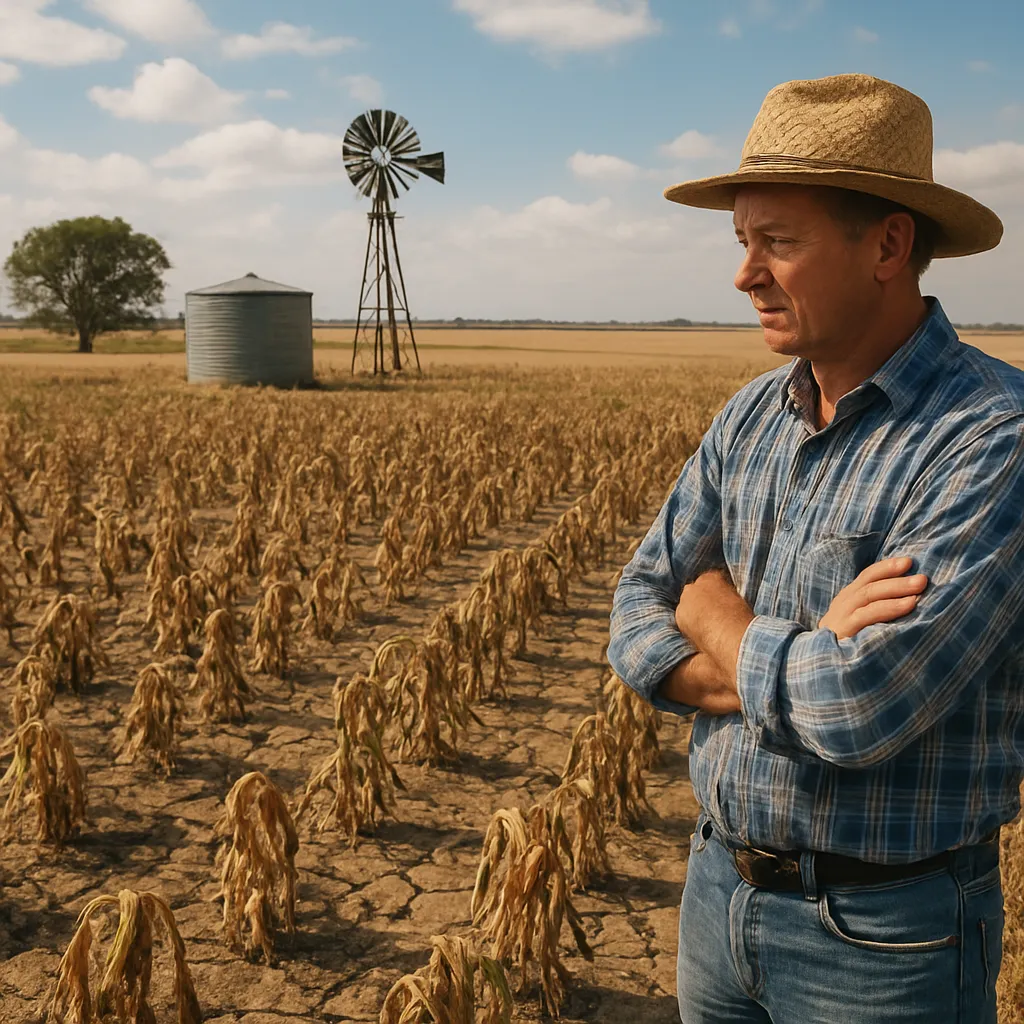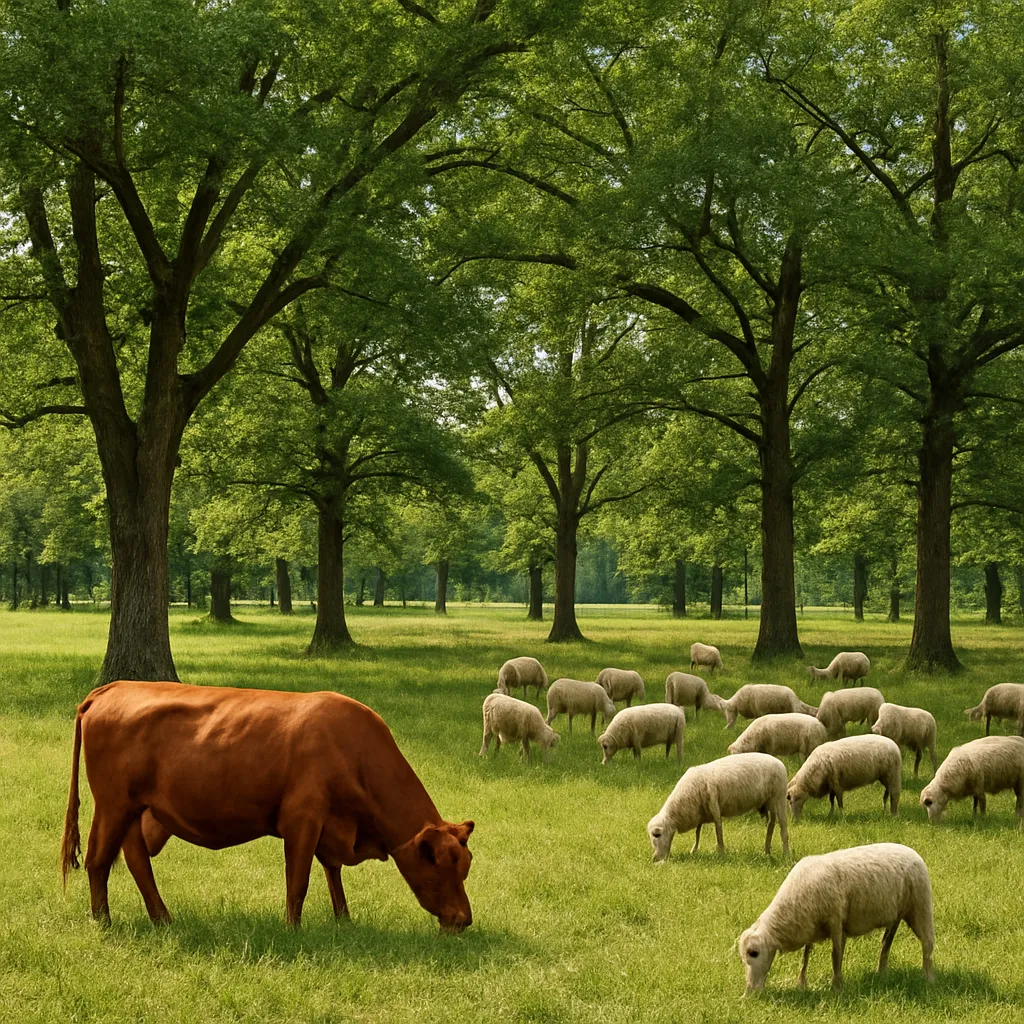
Silvopasture integrates trees, forage, and livestock in a harmonious system that delivers numerous benefits for farmers, animals, and the environment. By combining principles of agroforestry with traditional grazing, this approach fosters healthier ecosystems, enhances biodiversity, and creates resilient agricultural landscapes. The following sections explore the multifaceted advantages and practical considerations of adopting silvopasture on modern farms.
Ecological Advantages
Incorporating trees into pasturelands yields profound ecological benefits. The canopy, understory, and root networks provide habitat, shelter, and food sources for a variety of species. Key ecological gains include:
- Habitat diversity: A mix of tree species and grasses supports birds, insects, mammals, and beneficial microorganisms.
- Carbon sequestration: Trees capture atmospheric carbon and store it in wood biomass and soil, mitigating climate change.
- Soil health: Leaf litter and root exudates increase organic matter, improving structure, nutrient cycling, and moisture retention.
- Water regulation: Canopy interception reduces surface runoff, while deeper roots enhance infiltration and groundwater recharge.
- Erosion control: Tree roots stabilize soil, preventing nutrient loss and protecting waterways from sedimentation.
These ecosystem services collectively contribute to sustainability, ensuring long-term productivity and environmental resilience.
Economic and Livestock Benefits
Beyond ecological gains, silvopasture can significantly improve farm economics and animal performance. By layering revenue streams and optimizing resource use, farmers can enjoy greater profitability and risk mitigation.
Enhanced Forage Quality and Animal Welfare
Shade from trees reduces heat stress in grazing animals, leading to better weight gains and reproductive performance. Browse from certain tree species, such as mulberry or acacia, offers nutrient-rich supplements that improve overall diet balance. The result is superior forage quality and healthier livestock.
Diversified Income Streams
- Timber and non-timber products: Timber thinning, firewood, nuts, fruits, and medicinal extracts.
- Livestock sales: Higher animal weight gains and improved carcass quality command better market prices.
- Ecosystem services payments: Carbon credits and conservation incentives may become available through environmental stewardship programs.
This multi-product approach enhances financial buffers against market fluctuations, fostering greater resilience in farming operations.
Management Practices for Successful Implementation
Effective silvopasture requires thoughtful design and adaptive management. Key practices include:
- Site assessment: Evaluate soil type, rainfall, existing vegetation, and topography to select suitable tree and forage species.
- Tree species selection: Choose native or well-adapted species with desirable wood and feed characteristics, such as oak, walnut, or poplar.
- Grazing rotation: Implement planned rest periods to allow pasture regeneration and protect young trees from overgrazing.
- Protective measures: Use tree guards, fencing, or temporary shelters to prevent damage by livestock during establishment.
- Integrated nutrient management: Recycle manure to enhance soil fertility, reducing reliance on synthetic fertilizers.
By monitoring tree health, pasture condition, and animal performance, farmers can adaptively refine stocking rates, rotation schedules, and thinning regimes. This integrated approach ensures balanced growth and system stability.
Challenges and Adaptive Solutions
While silvopasture offers numerous advantages, it also presents challenges that require proactive solutions.
Establishment Costs and Labor
- Initial investment in seedlings, fencing, and labor can be high. To offset costs, consider phased planting or cost-share programs offered by conservation agencies.
- Mechanization: Utilize specialized equipment for planting and thinning to reduce manual labor.
Competition Between Trees and Forage
Early-stage competition for light, water, and nutrients can affect pasture productivity. Strategic thinning schedules and selective pruning alleviate competition and maintain optimal grass growth.
Pest and Disease Management
- Mixed-species plantings reduce pest outbreaks compared to monocultures.
- Biological controls and targeted interventions minimize chemical usage, protecting ecosystem services and animal health.
Through continuous learning, collaboration with extension services, and peer networks, farmers can overcome these barriers and enhance system performance over time.
Scaling Up and Policy Incentives
Policy frameworks and market mechanisms play a crucial role in promoting silvopasture at scale. Supportive measures may include:
- Financial incentives for tree planting and carbon sequestration.
- Technical assistance programs focused on sustainable land management practices.
- Research grants that advance knowledge of mixed-species interactions and grazing dynamics.
By engaging with local cooperatives, non-profit organizations, and governmental bodies, producers can access resources that lower barriers to adoption and foster community-wide benefits.
Adopting silvopasture not only revitalizes farm landscapes but also fortifies agricultural enterprises against climate volatility and market uncertainty. Through strategic planning, adaptive management, and collaborative networks, farmers can unlock the full potential of this regenerative practice, ensuring productive and resilient systems for generations to come.