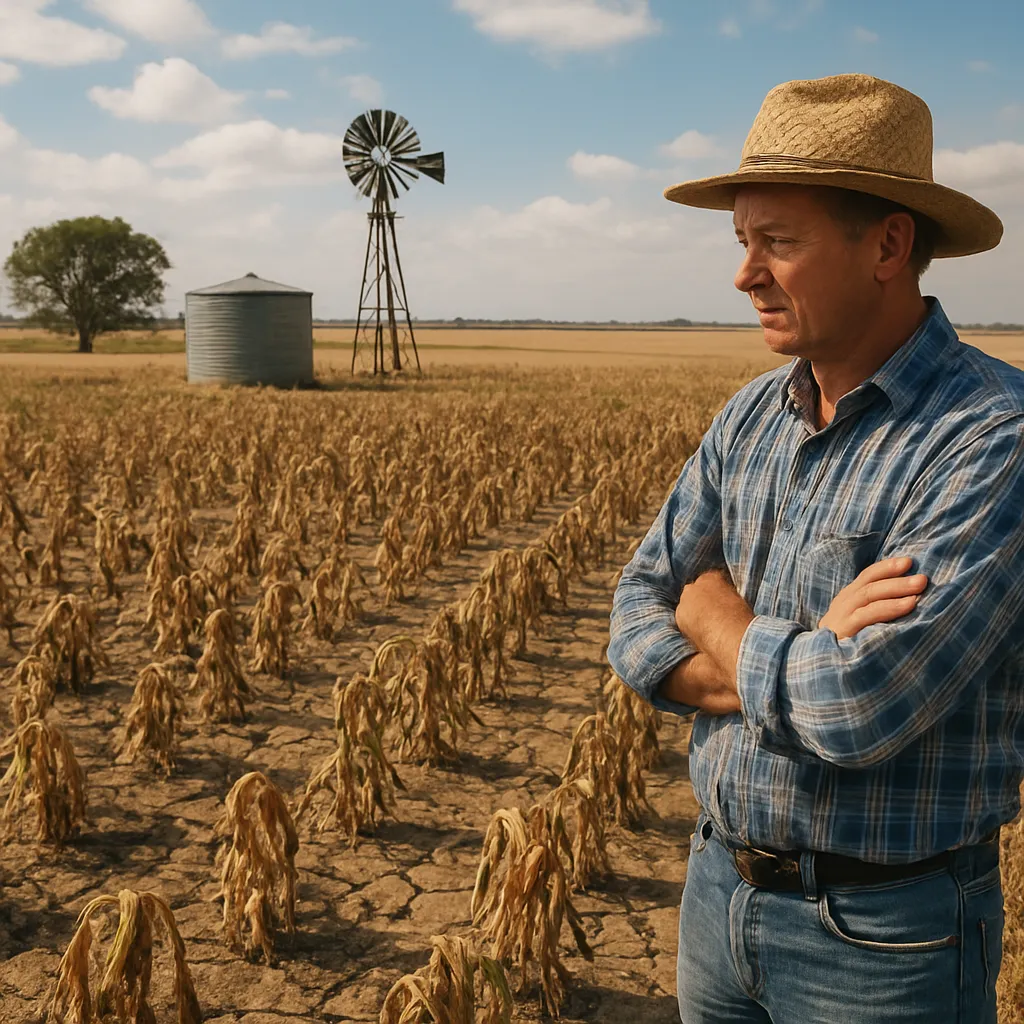
Maintaining accurate and comprehensive farm records lays the foundation for a resilient agricultural enterprise. By systematically tracking each aspect of daily operations, farmers can make informed choices, optimize resource allocation, and demonstrate accountability to stakeholders. Effective record keeping not only protects against unexpected risks but also opens the door to long‐term growth and profitability.
Importance of Farm Record Keeping
Farm record keeping serves as a powerful tool to drive efficiency, enhance accountability, and support strategic planning. When records are meticulously maintained, producers gain a clear understanding of input costs, yield trends, and market performance. This clarity paves the way for timely interventions to address emerging challenges such as pest outbreaks, adverse weather patterns, or fluctuations in commodity prices. Moreover, accurate documentation helps satisfy regulatory requirements, qualify for government programs, and attain certifications that signal quality and transparency to consumers.
Improving productivity and profitability
- Monitoring input usage—seeds, fertilizers, fuel—allows precise cost analysis.
- Comparing seasonal yields over time uncovers trends that inform planting decisions.
- Tracking labor hours and machinery operation improves workforce allocation.
- Evaluating crop variety performance helps identify the most economically viable options.
Ensuring Regulatory compliance and traceability
Government agencies and buyers increasingly demand traceable supply chains, especially in the context of food safety. Well‐organized records demonstrate adherence to pesticide application guidelines, withdrawal periods for livestock products, and environmental regulations. This documentation can prove indispensable during audits, inspections, or certification processes, reducing the risk of fines and market barriers.
Key Categories of Records
Diverse categories of records capture the multifaceted nature of farm operations. Establishing a consistent framework for what to record and how to organize data is critical for reliable analysis and decision support.
Financial and Budget Records
- Income statements and balance sheets
- Cash flow projections and expense logs
- Loan agreements, interest schedules, and repayment plans
- Tax filings and asset depreciation schedules
Crop and Livestock Records
- Field logs: planting dates, seed varieties, and germination rates
- Harvest data: yields per field, quality grades, storage conditions
- Animal health: vaccinations, treatments, breeding and calving records
- Feed and nutrition records, including ration formulations and costs
Equipment Maintenance and Asset Tracking
- Maintenance schedules for tractors, combines, irrigation systems
- Fuel consumption logs and repair invoices
- Equipment utilization rates for depreciation analysis
- Inventory of spare parts and tools
Labor and Operational Activities
- Employee rosters, labor hours, and payroll records
- Task schedules and seasonal labor demands
- Training certifications and safety meeting minutes
- Contractor agreements and performance evaluations
Implementing Digital Tools and Technologies
Digitalization transforms how farm data is collected, stored, and analyzed. By leveraging modern software and hardware solutions, farmers can unlock real‐time insights, automate routine tasks, and reduce human error.
Farm Management Software
Integrated farm management platforms consolidate diverse data streams—soil tests, weather forecasts, sales invoices—into a unified dashboard. Features often include:
- Automated report generation for financial and production metrics
- Mobile data entry via smartphones or tablets in the field
- Cloud storage with secure backup and multi-user access
- Alerts for upcoming maintenance, pesticide re‐entry intervals, or weather events
Precision Agriculture Technologies
Tools such as GPS‐guided tractors, variable rate applicators, and drone imaging enhance resource efficiency and environmental stewardship. Precise application of fertilizers and chemicals not only cuts costs but also promotes sustainability by minimizing runoff and soil compaction.
Data Analytics and Decision Support
Advanced analytics platforms harness historical and real‐time data to generate actionable recommendations. Farmers can run “what‐if” scenarios to evaluate the effects of varying input levels, crop rotations, or market price changes. In this way, data becomes the backbone of decision-making rather than mere retrospective reporting.
Best Practices for Efficient Record Management
Ensuring that record keeping adds value requires deliberate processes and consistent habits. The following best practices foster reliability, reduce administrative burden, and maximize return on investment in record systems.
Standardize Data Entry
- Create templates for recurring reports—financial statements, harvest summaries, health logs
- Use consistent naming conventions for fields, pastures, and equipment
- Establish clear guidelines for units of measure (kilograms, acres, liters)
- Train all staff on proper data recording procedures
Maintain Data Quality and Integrity
- Perform regular audits to identify missing or erroneous entries
- Restrict editing rights to authorized personnel only
- Implement version control for critical documents
- Back up data frequently to local and offsite repositories
Leverage Visual Aids
Incorporating charts, graphs, and field maps can accelerate interpretation of complex datasets. For instance, color‐coded yield maps reveal spatial variability, while trend lines highlight cost fluctuations over time. Visual tools turn raw numbers into intuitive, actionable insights.
Integrate Records into Daily Operations
- Schedule weekly or monthly review meetings to discuss key metrics
- Use mobile apps for on‐the‐go data capture during planting, spraying, or harvesting
- Link record keeping with budgeting and forecasting cycles
- Coordinate with advisors—agronomists, veterinarians, financial consultants—for collaborative analysis
Adopt a Continuous Improvement Mindset
Record keeping should evolve alongside the farm. Regularly solicit feedback from users to identify bottlenecks or missing features. Pilot new software modules or data collection methods, then refine processes based on experience. This approach ensures that record systems remain responsive to changing business needs and technological advances.
Conclusion
Effective farm record keeping blends discipline, technology, and a focus on long‐term goals. By meticulously documenting financials, production activities, and environmental practices, producers enhance analysis, support compliance, and unlock opportunities for innovation. A robust record system empowers farmers to transform data into strategic action, paving the way for a more resilient and prosperous agricultural future.