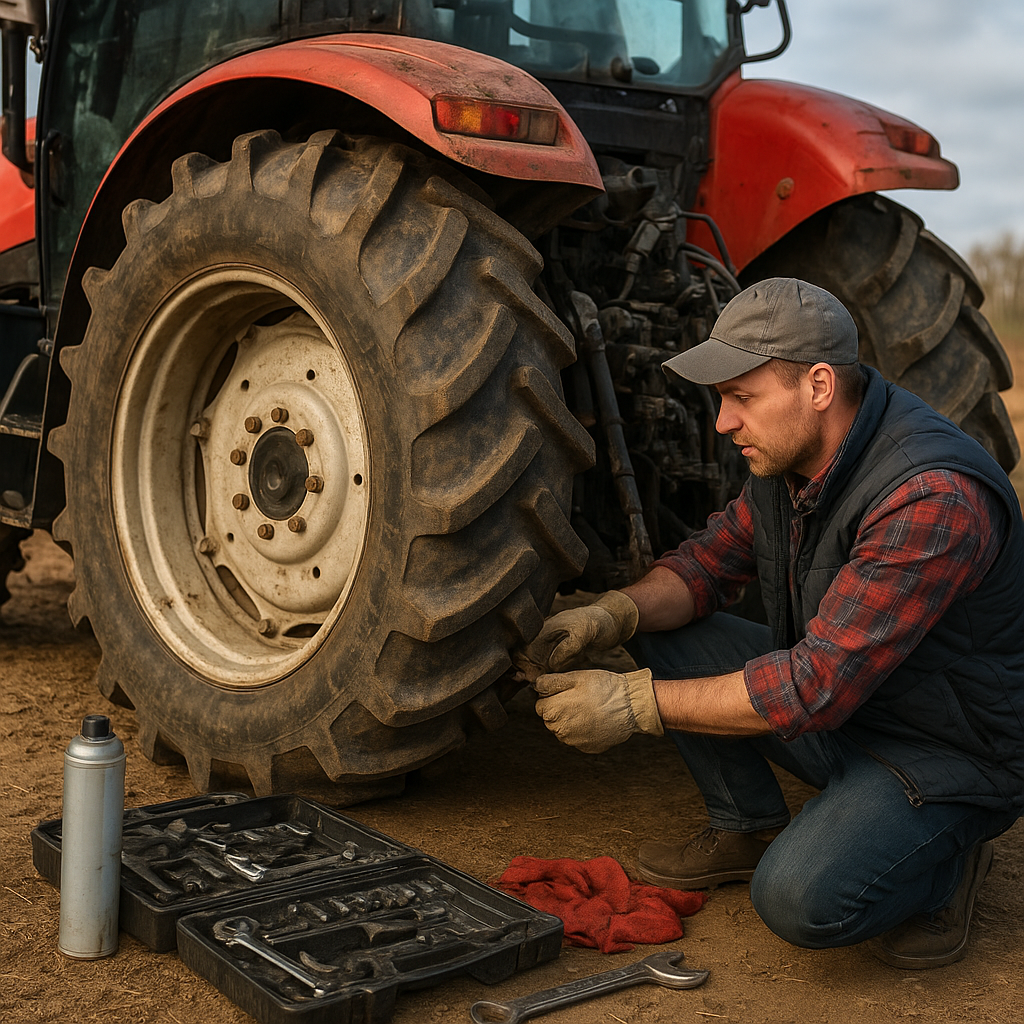
Proper maintenance of farm machinery is a critical component in modern agriculture. Ensuring equipment runs smoothly not only improves overall efficiency and reduces unexpected downtime, but also extends the longevity of expensive assets. By implementing a structured program of inspections, cleaning, lubrication, and staff training, farmers can maximize the reliability and performance of tractors, harvesters, and a wide range of implements. This guide outlines practical steps and best practices for keeping machinery in peak condition throughout the year.
Importance of Proper Maintenance
Regular care of farm machinery delivers multiple benefits. First, it safeguards against costly breakdowns during pivotal moments, such as planting or harvest. Equipment that undergoes preventive checks and servicing maintains optimal productivity, helping farmers meet tight schedules and achieve higher yields. In addition, well-maintained machines often consume fuel more efficiently, contributing to lower operating expenses and a smaller environmental footprint. Finally, routine upkeep supports workplace safety by ensuring brakes, steering, and hydraulic systems operate correctly, protecting both operators and bystanders.
Routine Inspection and Cleaning
An effective maintenance regimen begins with systematic inspection and cleaning. Dirt, debris, and crop residue can clog filters, hinder airflow in radiators, and accelerate wear on moving parts. Establishing a clear checklist helps technicians and operators identify issues before they become critical.
- Daily Checks: Examine fluid levels, tire pressure, belts, hoses, and visible wear points. Top off engine oil, coolant, and hydraulic fluid as needed.
- Weekly Cleaning: Remove mud and plant material from undercarriages, engine compartments, and air-intake screens. A high-pressure wash can prevent corrosion and overheating.
- Monthly Inspections: Inspect filters for clogging and replace or clean air, fuel, and oil filters as recommended by the manufacturer.
- Record Keeping: Maintain a log of completed inspections, repairs, and part replacements to track recurring issues and plan future servicing.
Lubrication and Fluid Management
Proper lubrication is essential to minimize friction and prevent metal-on-metal contact in bearings, joints, and gears. Ignoring lubrication schedules leads to accelerated component failure and unscheduled downtime. To optimize fluid management:
- Use Manufacturer-Approved Oils: Select the correct grade and type of oil and hydraulic fluid specified in equipment manuals.
- Follow Service Intervals: Adhere to recommended lubrication intervals for greasing pivot points, drive chains, and linkages.
- Monitor Fluid Quality: Check oils for contamination, color change, or an unusual odor. Replace fluids showing signs of degradation.
- Seal Integrity: Inspect gaskets, O-rings, and seals to prevent leaks that undermine fluid levels and lubrication effectiveness.
Seasonal Care Strategies
Farm machinery faces different demands over the year, making seasonal preparation a key factor in maintaining reliability. A structured plan for spring planting, summer maintenance, autumn harvest, and winter storage will keep equipment ready for every phase of the cropping cycle.
Spring Preparation
- Electrical Systems: Test batteries and charging systems. Clean terminals and secure cable connections.
- Tire Inspection: Check tread depth and look for cracks. Inflate to optimal pressure to prevent soil compaction.
- Hydraulics: Prime systems and verify pressure levels. Inspect hoses and fittings for leaks or signs of wear.
Summer Maintenance
- Cooling System: Flush radiators and refill with fresh coolant. Ensure fans and belts are tensioned properly.
- Air Filters: Clean or replace filters frequently to avoid engine stress under dusty field conditions.
- Bolts and Fasteners: Tighten loose hardware caused by extended operation and vibration.
Autumn Harvest Checks
- Header and Cutter Bars: Sharpen blades and verify hydraulic controls for responsive adjustments.
- Grain Handling Components: Examine augers, elevators, and unloading conveyors for alignment and smooth operation.
- Electronic Sensors: Calibrate yield monitors and GPS receivers to maintain accurate field records.
Winter Storage
- Fuel System Treatment: Add stabilizers and drain water separators to prevent microbial growth.
- Protective Coatings: Apply rust-inhibitor sprays on exposed metal surfaces and hydraulic cylinders.
- Covering and Shelter: Store machines in a dry, enclosed space or use heavy-duty tarps to reduce exposure to freezing temperatures.
Training Staff and Safety Protocols
Investing in operator training and clear safety guidelines enhances the performance of both individuals and machinery. Well-informed operators can detect early warning signs of trouble, perform basic maintenance tasks, and follow safe operating procedures.
- Hands-On Workshops: Conduct regular sessions on daily checks, proper startup and shutdown procedures, and emergency responses.
- Written Manuals: Provide concise guides with visuals covering lubrication points, inspection criteria, and troubleshooting steps.
- Standard Operating Procedures (SOPs): Develop SOPs for common tasks, ensuring consistency across team members.
- Safety Equipment: Enforce use of PPE such as gloves, eye protection, and hearing protection around noisy or moving parts.
- Feedback Loop: Encourage operators to report issues immediately and share suggestions for improving maintenance routines.