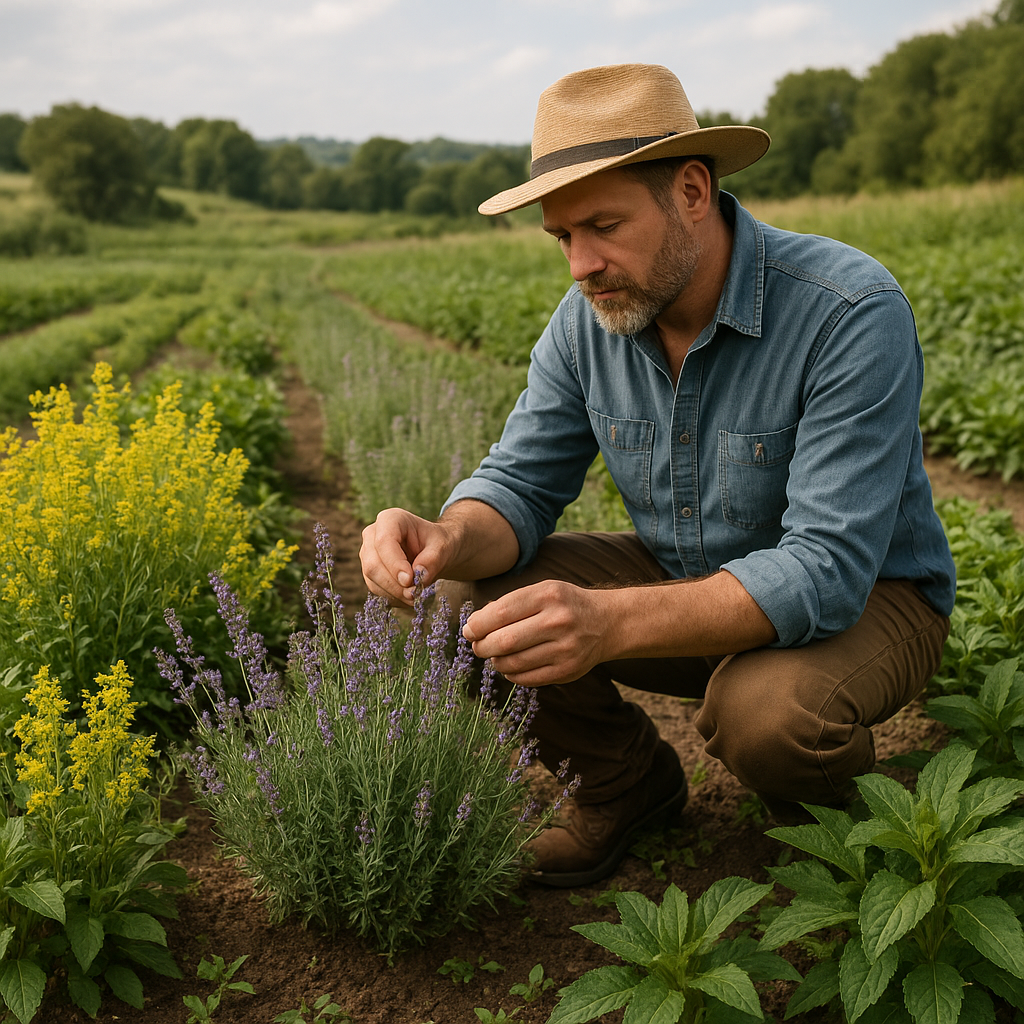
Transforming a section of your farmland into a thriving medicinal herb garden can unlock new revenue streams and promote ecological health. By integrating careful planning, sound cultivation methods, and mindful harvesting techniques, farmers can produce high-quality therapeutic plants that cater to growing demand across pharmaceutical, cosmetic, and herbal supplement markets. This guide will walk you through key steps—from site selection and soil management to post-harvest processing—while emphasizing practical strategies to boost productivity and maintain an organic approach.
Planning Your Medicinal Plant Cultivation
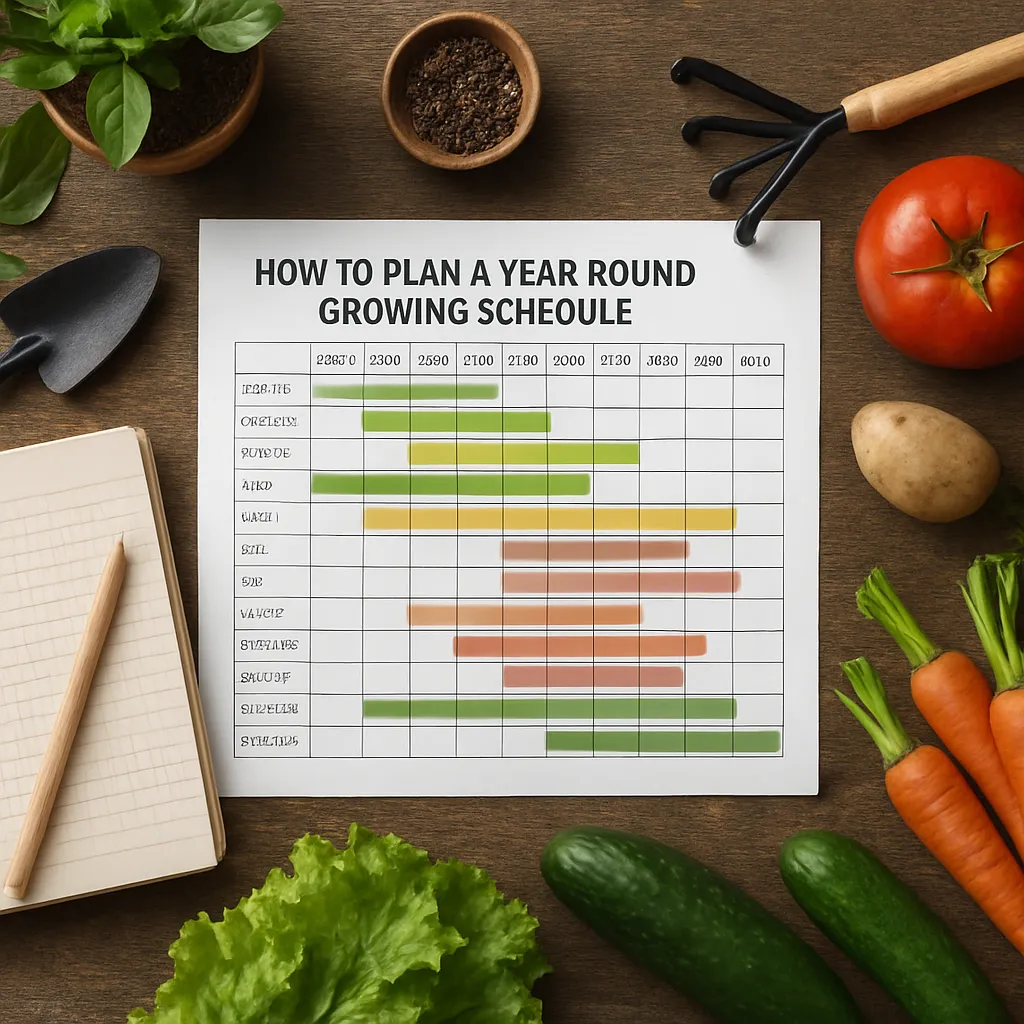
Before breaking ground, it’s crucial to carry out thorough research and design. A well-structured plan ensures optimal yields and preserves the farm’s overall sustainability. Start by identifying the target species. Popular choices include:
- Calendula officinalis (Marigold) – Known for its anti-inflammatory properties.
- Matricaria chamomilla (Chamomile) – Widely used as a calmative agent.
- Lavandula angustifolia (Lavender) – Valued for soothing essential oils.
- Mentha piperita (Peppermint) – Contains high levels of menthol for digestive support.
- Echinacea purpurea (Echinacea) – Recognized for immune-stimulating phytochemicals.
Consider these key factors during the planning stage:
- Climate suitability: Match species to your region’s temperature range and rainfall patterns.
- Sunlight exposure: Most medicinal herbs thrive under full sun, though some prefer partial shade.
- Water availability: Establish an efficient irrigation plan that avoids waterlogging.
- Market analysis: Evaluate local and online demand to determine which herbs will yield the best returns.
- Regulatory compliance: Research certifications and labeling requirements—especially if you wish to market as organic or pharmaceutical grade.
Soil Preparation and Planting Techniques
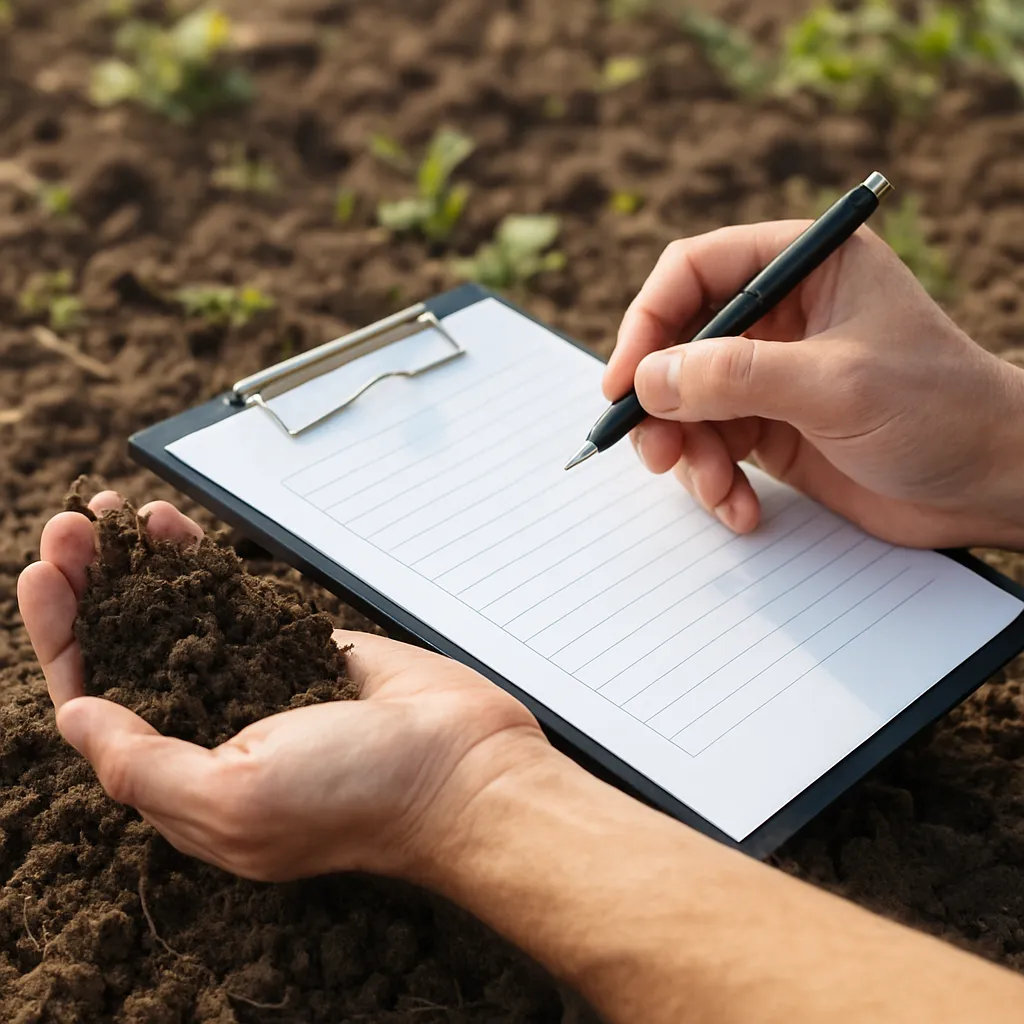
Healthy soil is the foundation of any successful herb cultivation project. Conduct a comprehensive soil test to measure pH, nutrient levels, and texture. Medicinal plants typically prefer slightly acidic to neutral soils (pH 6.0–7.0). Based on test results, amend your fields to boost soil fertility and structure:
- Compost enrichment: Incorporate well-decomposed organic matter at least two weeks before planting.
- Green manures: Grow cover crops such as clover or vetch to fix nitrogen and improve soil porosity.
- pH adjustment: Add lime to raise pH or elemental sulfur to lower pH, as indicated by test results.
- Mulching: Apply an organic mulch layer to conserve moisture, suppress weeds, and moderate soil temperature.
When selecting planting methods, weigh the advantages of direct sowing, transplantation, or propagation from cuttings:
- Direct sowing: Economical for hardy annuals like chamomile but may result in uneven germination.
- Transplants: Offer uniform stands and faster establishment, ideal for lavender and echinacea.
- Cuttings: Allow genetic uniformity, particularly valuable when cultivating high-yield chemotypes.
Space your plants to promote air circulation and reduce disease pressure. For instance, a 30–45 cm row spacing is common for peppermint, while lavender may require 45–60 cm between rows. Adequate spacing also facilitates harvesting operations and decreases foliage damage.
Pest Management and Organic Practices
Maintaining a healthy herb garden means keeping pests and diseases at bay without resorting to synthetic chemicals. Emphasizing an integrated pest management (IPM) approach will help you balance control methods for long-term resilience. Key IPM tactics include:
- Regular scouting: Inspect plants weekly for early signs of infestations by aphids, spider mites, or fungal pathogens.
- Biological control: Introduce beneficial insects, such as ladybugs and predatory mites, to naturally reduce pest populations.
- Companion planting: Employ companion planting partners like basil near mint to deter flies, or nasturtiums near echinacea to trap aphids.
- Sanitation: Remove and destroy diseased or damaged foliage to prevent pathogen spread.
- Physical barriers: Use row covers and mesh screens to shield sensitive crops from insects and birds.
Fungal issues such as powdery mildew can be managed with foliar sprays of baking soda or potassium bicarbonate. Rotate crops annually to disrupt disease cycles and reduce soil-borne threats. By cultivating a balance of flora and fauna, you encourage biodiversity in your fields, leading to a more robust farming system.
Harvesting, Processing, and Value-Addition
Timely and precise harvesting is essential to maximize the concentration of active compounds. Each species has its ideal harvest window—typically when flowers, leaves, or roots reach peak potency. Follow these best practices:
- Harvest in the morning, after dew has dried but before midday heat causes volatile oils to dissipate.
- Use clean, sharp tools to minimize bruising and reduce the risk of microbial contamination.
- For roots and barks, dig carefully to preserve the structural integrity of the plant and surrounding soil.
Once harvested, proper drying and storage are critical. Arrange plant parts in thin layers on drying racks within a well-ventilated, shaded area. Aim for a moisture content below 10% to prevent mold growth. After drying, store herbs in airtight, light-resistant containers to safeguard their therapeutic qualities.
Consider on-farm processing techniques to enhance profitability. Options include:
- Steam distillation for essential oil extraction.
- Ethanolic or glycerin tincturing for liquid herbal extracts.
- Dehydration and milling for powdered supplements.
- Infusion in carrier oils to produce massage or skincare products.
By introducing value-added products, you can capture more of the supply chain and command premium prices. Packaging, labeling, and certification—such as USDA Organic or Good Manufacturing Practices (GMP)—further elevate market appeal and consumer trust.