Creating a pollinator-friendly farm involves more than planting a few blossoms; it requires an integrated approach that enhances the biodiversity of the landscape, supports a healthy ecosystem, and ensures long-term productivity. By intentionally designing fields, margins, and water sources to attract bees, butterflies, birds, and other insects, farmers can boost yields, improve soil health, and contribute to global conservation efforts. This guide explores practical steps and best practices for fostering thriving pollinator populations on your land.
Encouraging Native Pollinators through Habitat Enhancement
Planting Native Flowering Species
Incorporating a diversity of flowering plants that are native to your region ensures that pollinators find the right combination of nectar and pollen sources throughout the growing season. Start by:
- Selecting wildflowers, shrubs, and trees that bloom at different times, from early spring to late autumn.
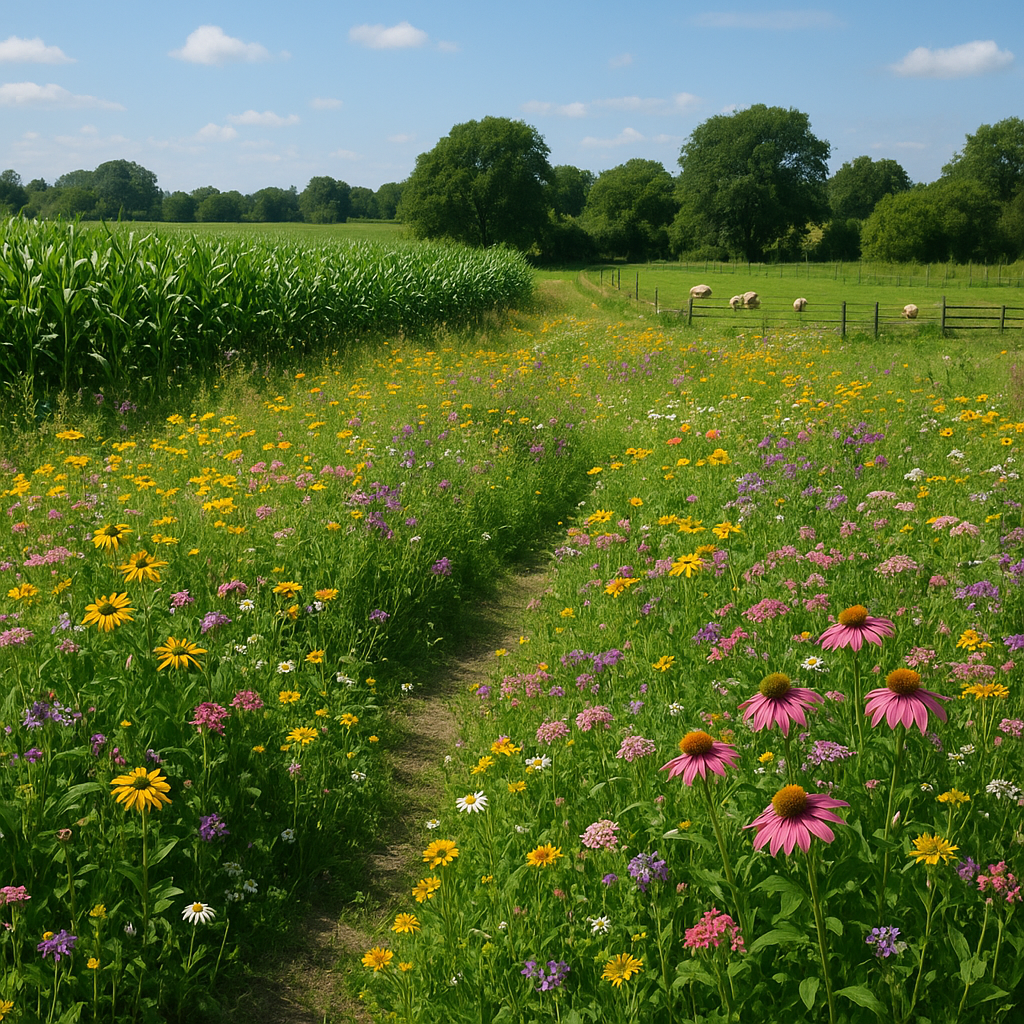
- Including perennial species such as coneflowers, goldenrod, and bee balm to establish a stable food supply over several years.
- Planting thousands of seeds in clusters to create visually attractive patches where bees and butterflies can forage efficiently.
- Avoiding ornamental hybrids that may lack sufficient pollen or nectar for native pollinators.
Clustered plantings not only make foraging easier but also help insects locate resources quickly, reducing their energy expenditure and increasing pollination visits across crops.
Creating Habitat Corridors
Fragmented landscapes can isolate pollinator populations, making it difficult for them to move freely between fields, water sources, and nesting sites. Constructing continuous habitat corridors of wildflowers, hedgerows, or grassy strips can bridge these gaps. Effective strategies include:
- Establishing buffer zones of native grasses and flowering plants along field margins and fence lines.
- Connecting woodlots, wetlands, and riparian zones with linear strips at least 10 feet wide.
- Maintaining unmown strips in pastures or no-till areas to offer shelter and resting spots for pollinators.
- Integrating living fences composed of flowering shrubs like elderberry or hawthorn.
These corridors serve as migration pathways for bees and butterflies, while also providing nesting habitat for ground-nesting species and cover for predatory insects that help control pests.
Integrating Sustainable Farming Practices
Diversification and Crop Rotations
Monocultures can be detrimental to pollinators, offering a single bloom period before leaving the land barren for the rest of the season. Adopting diverse rotations and intercropping systems can:
- Provide continuous floral resources by planting cover crops such as buckwheat, clover, or phacelia between main cash crops.
- Improve soil health through nitrogen-fixing legumes, which benefit both the soil microbiome and pollinator populations.
- Break pest and disease cycles, reducing the need for chemical interventions that harm non-target insects.
- Encourage beneficial insect predators like lacewings and parasitic wasps that share habitat with pollinators.
By weaving flowering cover crops into rotations, farmers can sustain pollinator activity year-round and enhance overall farm resilience.
Reducing Chemical Inputs
Excessive use of synthetic fertilizers, herbicides, and pesticides can devastate pollinator communities. To foster a healthy ecosystem:
- Implement integrated pest management (IPM) to monitor pest thresholds and apply targeted treatments only when necessary.
- Choose organic or low-toxicity products, and apply applications in the evening when bees are less active.
- Establish pesticide-free buffer strips around pollinator habitat areas.
- Rotate modes of action to prevent resistance buildup while preserving beneficial insects.
Careful timing and selection of products reduce harmful residues, ensuring pollinators can forage safely and complete their life cycles.
Water Management and Shelter Provision
Installing Water Sources
All pollinators require access to clean water for drinking, nest building, and thermoregulation. Simple additions include:
- Shallow birdbaths or basins with stones or pebbles for landing platforms.
- Small artificial ponds edged with gently sloping banks planted with aquatic flowers like water lilies.
- Drip trays beneath rain barrels to collect rainfall without stagnating water.
- Regularly refreshed water to prevent mosquito breeding.
Providing multiple water stations across the farm reduces competition and allows insects to hydrate near foraging sites.
Providing Nesting and Shelter
Ground-nesting bees, solitary wasps, and other beneficial insects need undisturbed soil, wood cavities, and hollow stems for nesting. Enhance nesting habitat by:
- Leaving small patches of bare, well-drained soil free of mulch or heavy vegetation.
- Installing bee hotels made from hollow reeds, bamboo stakes, or drilled wooden blocks.
- Retaining dead wood and snags in windbreaks or woodland edges for cavity-nesters.
- Maintaining tussocky grass areas that support butterfly chrysalises and hoverfly larvae.
Creating microhabitats across the property supports a wide range of pollinator species and encourages year-round activity.
Community Engagement and Monitoring
Citizen Science and Pollinator Monitoring
Accurate data on pollinator presence and abundance helps farmers gauge the success of conservation measures. Engage volunteers and staff in:
- Regular transect walks to count bee and butterfly species with field guides.
- Participating in regional monitoring programs such as the Great Sunflower Project or local pollinator surveys.
- Recording flowering times, nesting site usage, and foraging behavior to adjust planting schedules.
- Analyzing data trends to refine habitat plantings and protective measures.
Systematic monitoring fosters a sense of ownership among workers and community members, while providing actionable insights for continual improvement.
Educational Outreach
Sharing your farm’s commitment to pollinators can inspire neighbors, consumers, and policymakers. Effective outreach efforts include:
- Hosting open-field days to demonstrate habitat plantings and bee hotels.
- Collaborating with schools and youth groups for planting activities and nature walks.
- Publishing farm newsletter articles or social media posts highlighting pollinator success stories.
- Partnering with conservation organizations to access additional resources and funding.
By raising awareness and showcasing the benefits of farm-scale habitat enhancements, you contribute to larger landscape-level efforts that amplify pollinator health and agricultural sustainability.