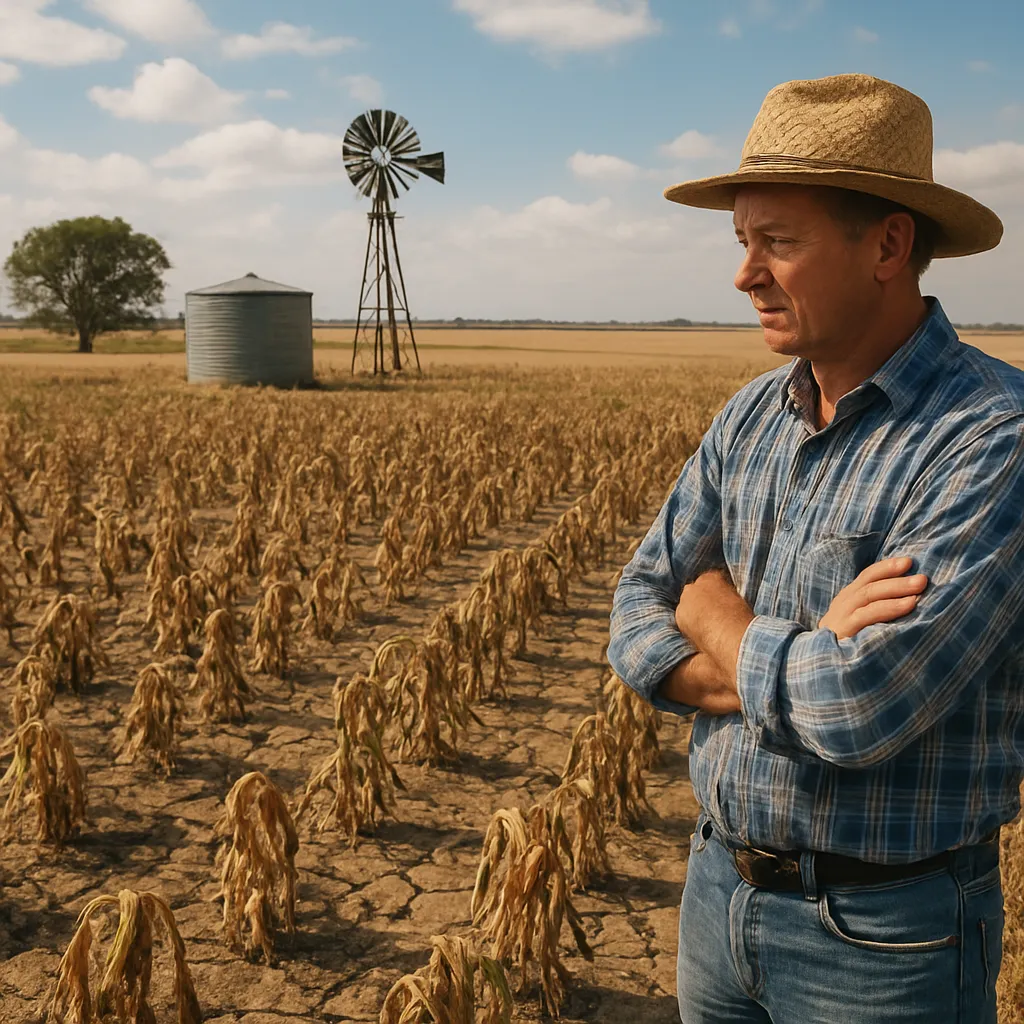
Efficient farm labor management is crucial for maximizing yields, controlling costs, and maintaining a smooth workflow across all agricultural operations. By aligning workforce capabilities with production demands, farm owners and managers can enhance overall productivity while fostering a positive environment for complex tasks such as planting, harvesting, and maintenance. The strategies outlined below focus on optimizing resource allocation, leveraging modern tools, and investing in people to drive long-term success.
Understanding Farm Labor Requirements
Before implementing any labor plan, a thorough assessment of the farm’s needs is essential. Factors to consider include the size of the operation, crop types, seasonal peaks, and the skill levels required for different tasks. This stage sets the foundation for precise scheduling and resource distribution.
- Task Analysis: Break down daily, weekly, and seasonal tasks—planting, pruning, weeding, irrigation, and harvesting—and estimate time and manpower for each.
- Skill Mapping: Identify roles that demand specialized expertise, such as machinery operation or pest management, versus general tasks like hand-picking or packaging.
- Seasonal Variability: Prepare for labor spikes during planting and harvesting months by forecasting peak labor requirements several months in advance.
A well-structured labor needs assessment prevents understaffing or overstaffing, both of which can erode margins and slow down operations.
Effective Scheduling and Workforce Allocation
Smart rostering and shift planning align workers with the right tasks at the right times. That alignment reduces idle hours and ensures continuous progress across multiple fronts.
- Shift Patterns: Implement rotating or fixed shifts based on worker preferences and task intensity, ensuring coverage for early-morning irrigation or late-evening harvest.
- Cross-Training: Develop a multi-skilled workforce by rotating team members through different roles, boosting flexibility and reducing bottlenecks when key workers are unavailable.
- Forecasting Tools: Use historical data and weather predictions to anticipate peak workloads and adjust labor rosters proactively.
Integrating a centralized scheduling system with mobile notifications allows managers to adapt quickly when unexpected weather changes or equipment breakdowns occur.
Adopting Technology and Automation
Modern farms can gain a competitive edge by embracing digital solutions and mechanized processes. These innovations help streamline repetitive tasks, reduce human error, and free skilled workers for more complex duties.
Labor Management Software
- Time Tracking: Automated clock-in/clock-out systems track hours accurately, simplifying payroll and preventing time theft.
- Task Assignment: Mobile apps enable real-time job assignments, updates, and progress reporting, enhancing communication between field crews and supervisors.
- Data Analytics: Insightful dashboards reveal productivity trends, absenteeism rates, and cost-per-task metrics to inform strategic decisions.
Mechanization and Robotics
- Automated Harvesters and Planters: Specialized machines can perform high-volume tasks quicker and more consistently than manual labor.
- Drones and Sensors: Aerial imaging and soil moisture sensors optimize irrigation schedules and early pest detection, reducing unnecessary manual inspections.
- Conveyor Systems and Sorters: Post-harvest handling stations equipped with automated sorting technology accelerate packaging and distribution.
Combining high-tech tools with skilled operators ensures peak machinery utilization and safe operations.
Training, Development, and Safety
Investing in workforce development pays dividends in enhanced performance, lower accident rates, and improved employee morale. A structured program addresses both technical and soft skills.
- Onboarding Workshops: Introduce new hires to farm protocols, machinery operation, and standard operating procedures to minimize early errors.
- Continuous Education: Offer regular seminars on crop management updates, organic farming techniques, or emerging pest threats to keep staff knowledgeable and engaged.
- Safety Protocols: Establish clear guidelines for equipment handling, chemical usage, and emergency response, supported by regular drills and certifications.
Formal training sessions combined with mentorship programs create a culture of continuous improvement and shared responsibility for safe practices.
Motivating and Retaining Farm Workers
High turnover disrupts workflows and inflates recruitment costs. By focusing on worker satisfaction and career growth, farms can enhance retention and build a stable labor force.
Incentive Programs
- Performance Bonuses: Reward teams for exceeding yield targets or maintaining low spoilage rates, fostering a results-oriented mindset.
- Profit-Sharing Plans: Offer seasonal shares or end-of-year dividends tied to overall farm performance, aligning employee interests with business success.
- Flexible Benefits: Provide transportation assistance, meal stipends, or childcare support to address common challenges faced by agricultural workers.
Leadership and Culture
- Open Forums: Host regular meetings where workers can voice ideas, highlight issues, and propose improvements in a respectful environment.
- Recognition Events: Celebrate individual and team achievements with awards, certificates, or social gatherings to reinforce a sense of belonging.
- Career Pathways: Map out clear advancement opportunities for supervisors and team leaders, demonstrating a commitment to professional growth.
Strong managerial leadership combined with transparent policies fosters loyalty and encourages long-term engagement.
Measuring Success and Continuous Improvement
Regularly reviewing performance metrics ensures that labor strategies remain aligned with evolving farm goals. Implement a feedback loop to capture insights and refine processes.
- Key Performance Indicators (KPIs): Track metrics such as cost per labor hour, yield per acre, and on-time task completion rates.
- Worker Surveys: Gather anonymous feedback on job satisfaction, workflow challenges, and suggestions for improvement.
- Process Audits: Conduct quarterly reviews of scheduling, equipment usage, and training effectiveness to identify bottlenecks.
By systematically analyzing results and adjusting plans, farm managers can achieve ever-higher levels of efficiency and sustainable growth.