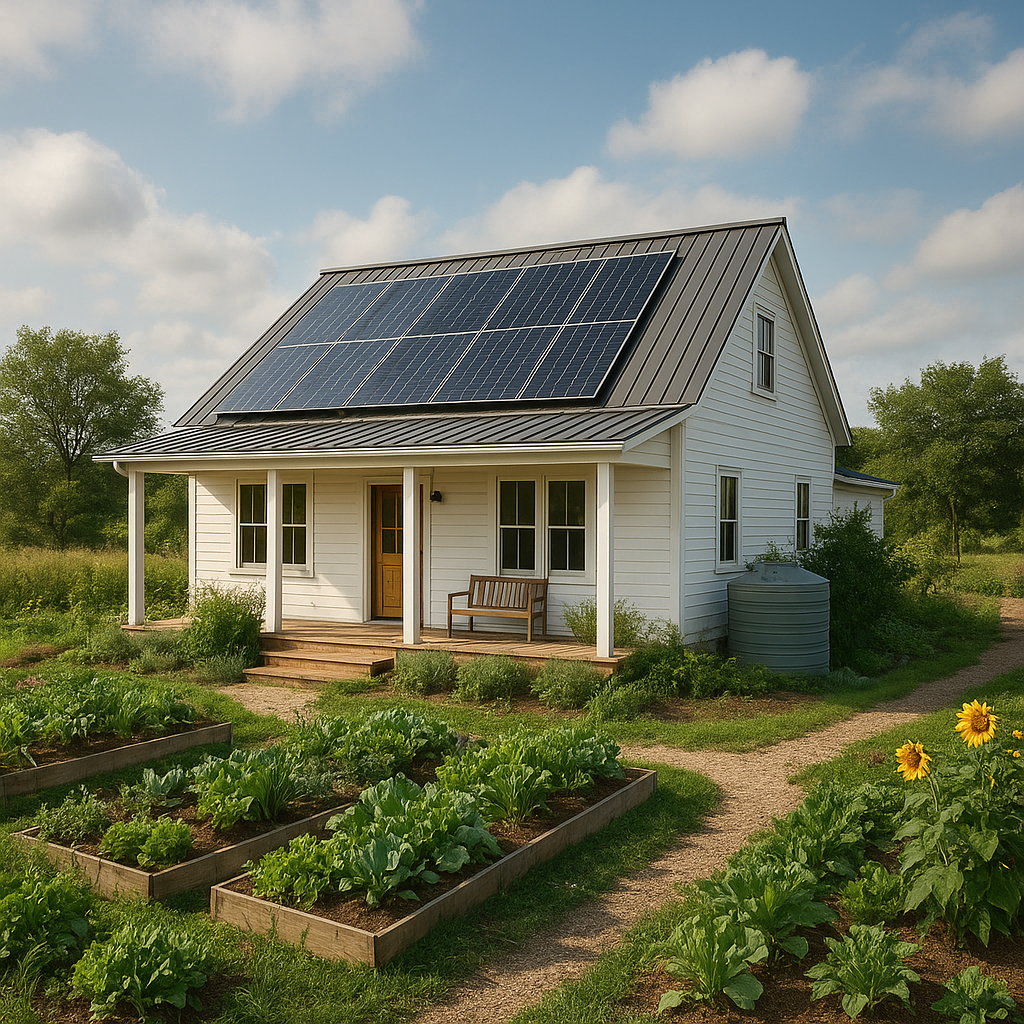
Building a sustainable farmhouse involves more than erecting walls and laying foundations. It is about creating a living system that harmonizes with the land, conserves resources, and fosters a thriving environment for both people and nature. By integrating principles of sustainability, permaculture, and innovative design, you can develop a home that consumes minimal energy, manages water responsibly, and produces food. This guide explores key aspects of planning, construction, and operation, offering practical insights for anyone passionate about organic farming and eco-friendly living.
Site Selection and Design Principles
Assessing Soil and Topography
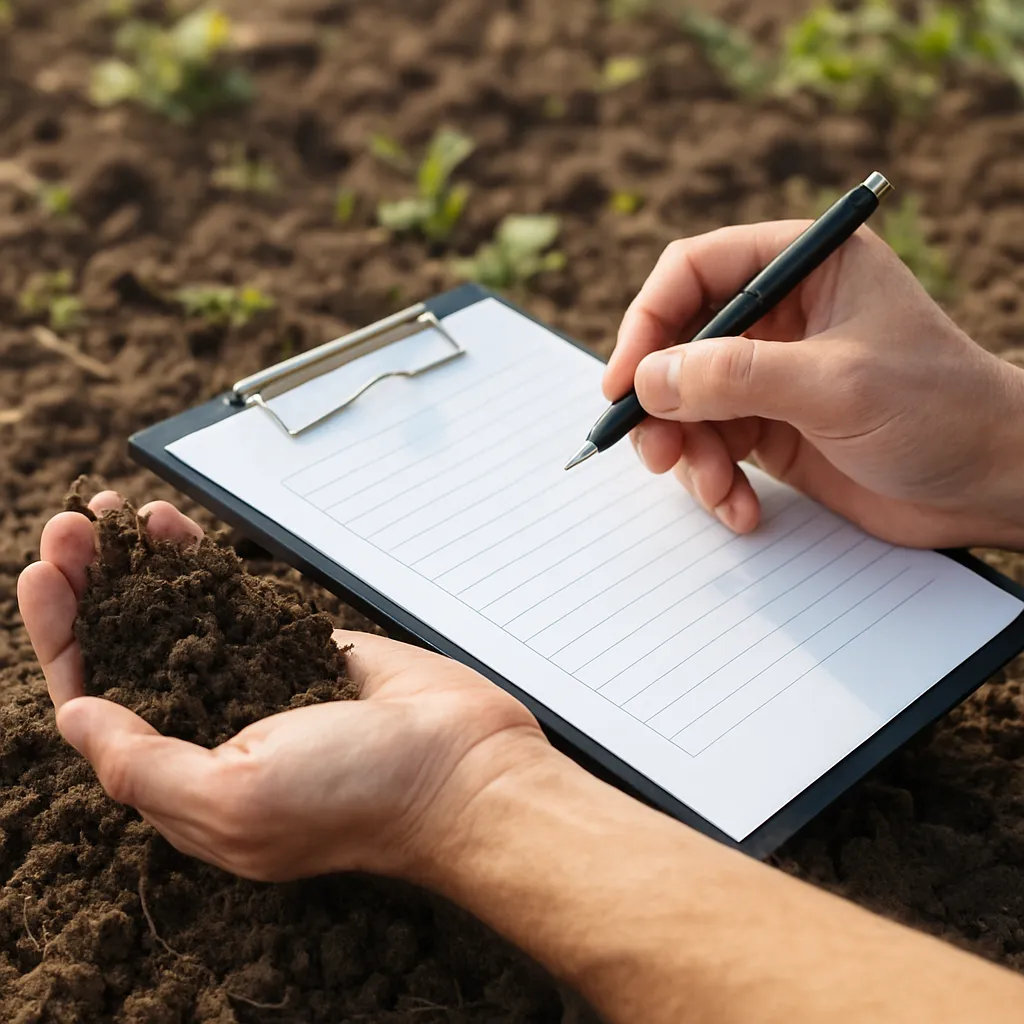
Choosing the right location is the cornerstone of a successful sustainable farmhouse project. Start by conducting a thorough soil analysis. Soil texture, pH levels, and nutrient content determine what crops will thrive and what amendments are needed. In addition, examine the topography to identify natural drainage patterns. Slopes can aid in runoff control but may require terracing to prevent erosion. Flat areas facilitate easier construction but may be prone to waterlogging. Mapping these features with simple tools or professional surveyors will help you design with both practicality and resilience in mind.
Orienting for Sunlight and Wind
A well-oriented farmhouse maximizes passive solar gain in winter while providing shade during hot summers. Position living areas and large windows facing south (in the Northern Hemisphere) to capture sunlight for energy efficiency. Use awnings, deciduous trees, or verandas to block high-angle summer sun. Consider prevailing wind directions to enhance natural ventilation; this reduces reliance on mechanical cooling. Strategic placement of windbreaks—hedgerows or wood lots—can protect against harsh winter winds and microclimate extremes.
Building Materials and Energy Efficiency
Choosing Renewable Materials
Opt for materials that have low embodied energy and are sourced responsibly. Locally quarried stone, reclaimed wood beams, and bamboo offer durability and a minimal carbon footprint. Straw bale insulation provides excellent thermal performance and is an agricultural byproduct. Cob or rammed earth walls deliver high thermal mass, moderating indoor temperatures. When selecting finishes such as paints or sealants, ensure they are low-VOC to maintain healthy indoor air quality.
Insulation and Passive Heating
Insulation is vital to reduce energy consumption for heating and cooling. Blow-in cellulose or sheep’s wool can fill wall cavities effectively. A continuous layer of rigid insulation on the exterior eliminates thermal bridges. For passive heating, incorporate a Trombe wall or sunspace greenhouse adjacent to the main structure. These elements collect solar heat during the day and release it gradually at night. In-floor radiant heating fueled by a solar-thermal collector or a biomass boiler can further enhance comfort and efficiency.
Water Management and Waste Systems
Rainwater Harvesting
Rainwater harvesting systems reduce dependence on municipal water and support irrigation needs. Install gutters and downspouts that direct water into storage tanks or cisterns. Filter first-flush contaminants before storage. Use gravity-fed drip irrigation to deliver water precisely to plant roots, minimizing evaporation losses. Combining rainwater harvesting with swales and retention ponds helps recharge groundwater while creating habitat for beneficial wildlife.
Composting Toilets and Greywater
Traditional septic systems can be costly and environmentally invasive. Composting toilets transform human waste into safe, nutrient-rich compost for non-edible landscaping. Greywater systems collect wastewater from sinks, showers, and washers, then channel it through a simple treatment bed—gravel, sand, and wetland plants—to filter contaminants before irrigation. Regular maintenance and proper design ensure these systems operate hygienically and sustainably.
Integrating Agriculture with the Farmhouse
Kitchen Gardens and Polycultures
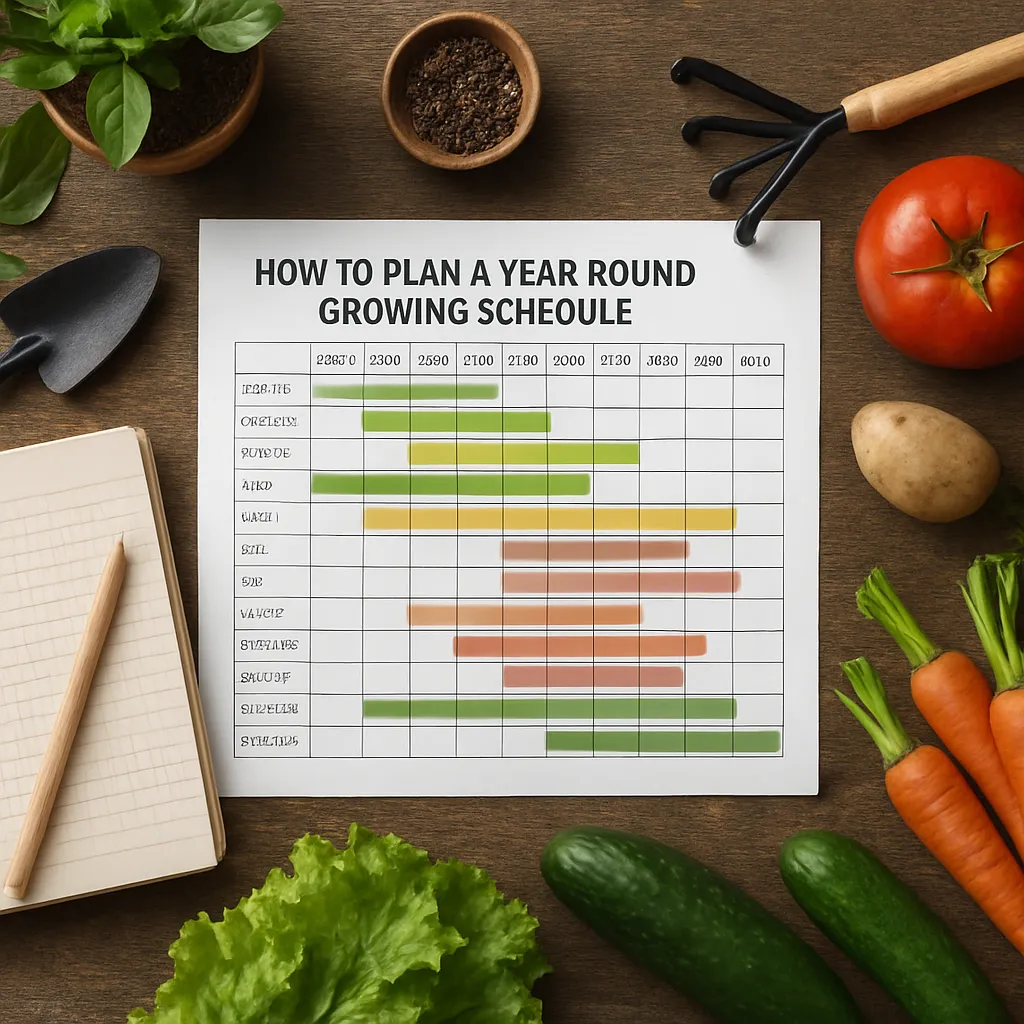
A productive kitchen garden adjacent to the home reduces food miles and fosters a direct connection with your food sources. Design raised beds in a polyculture arrangement—mixing vegetables, herbs, and flowers—to attract pollinators and deter pests. Companion planting, such as pairing tomatoes with basil, enhances biodiversity and yields. Use crop rotation and cover cropping to maintain soil health and suppress disease.
Animal Husbandry and Poultry
Small-scale livestock and poultry can complement your farming ecosystem. Chickens provide eggs, meat, and manure, which serves as a potent compost ingredient. Portable chicken coops (chicken tractors) allow birds to forage across different areas, reducing pests and fertilizing the soil. Sheep or goats graze cover crops and invasive shrubs, maintaining pasture health without heavy machinery. Always provide shelter, clean water, and rotational grazing plans to promote animal welfare and land regeneration.
Operational Strategies and Community Engagement
Crop Rotation and Soil Health
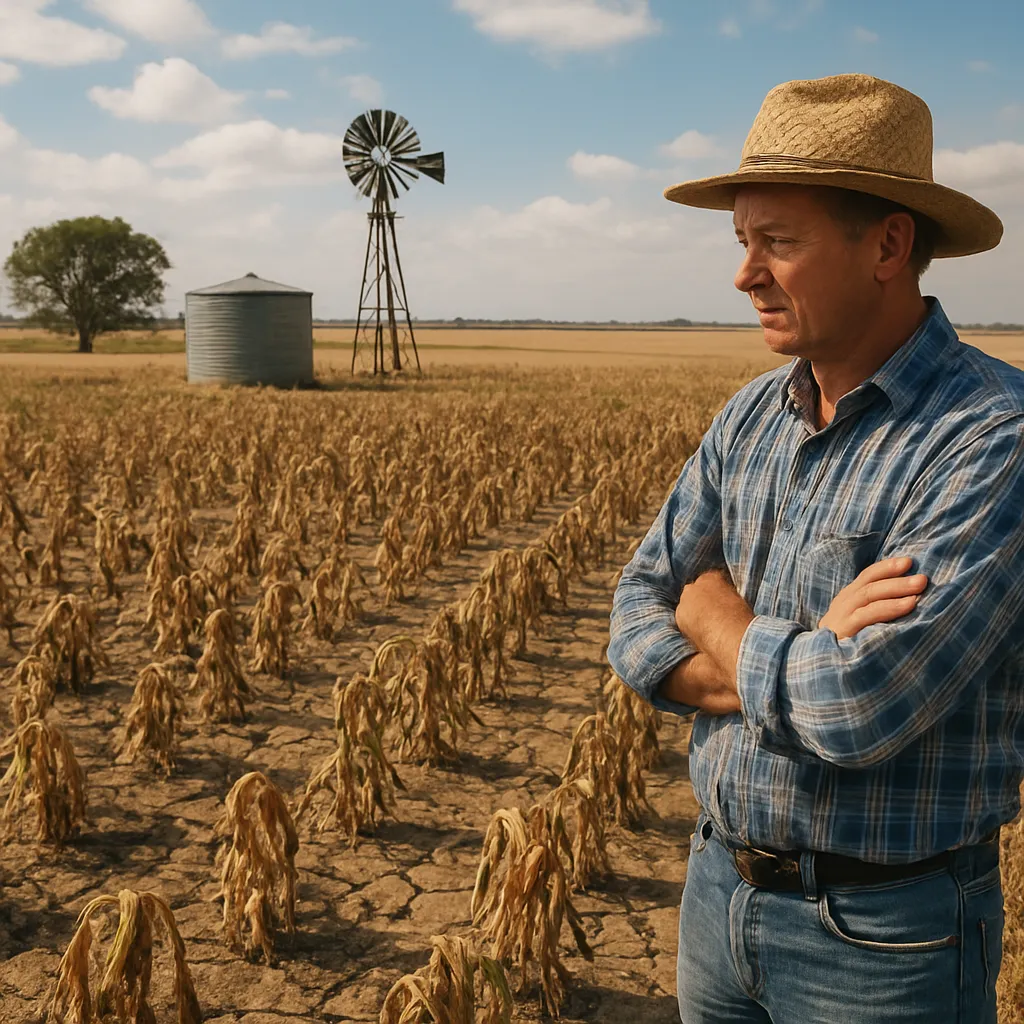
Maintaining long-term productivity requires focused strategies for nutrient cycling. Implement a crop rotation plan that alternates nitrogen-fixing legumes with heavy feeders like corn or squash. Interplant green manures—clover, vetch, or buckwheat—to add organic matter and suppress weeds. Test soil annually and apply compost or rock dust to replenish minerals. This approach builds resilience against pests, diseases, and weather extremes.
Local Partnerships and Education
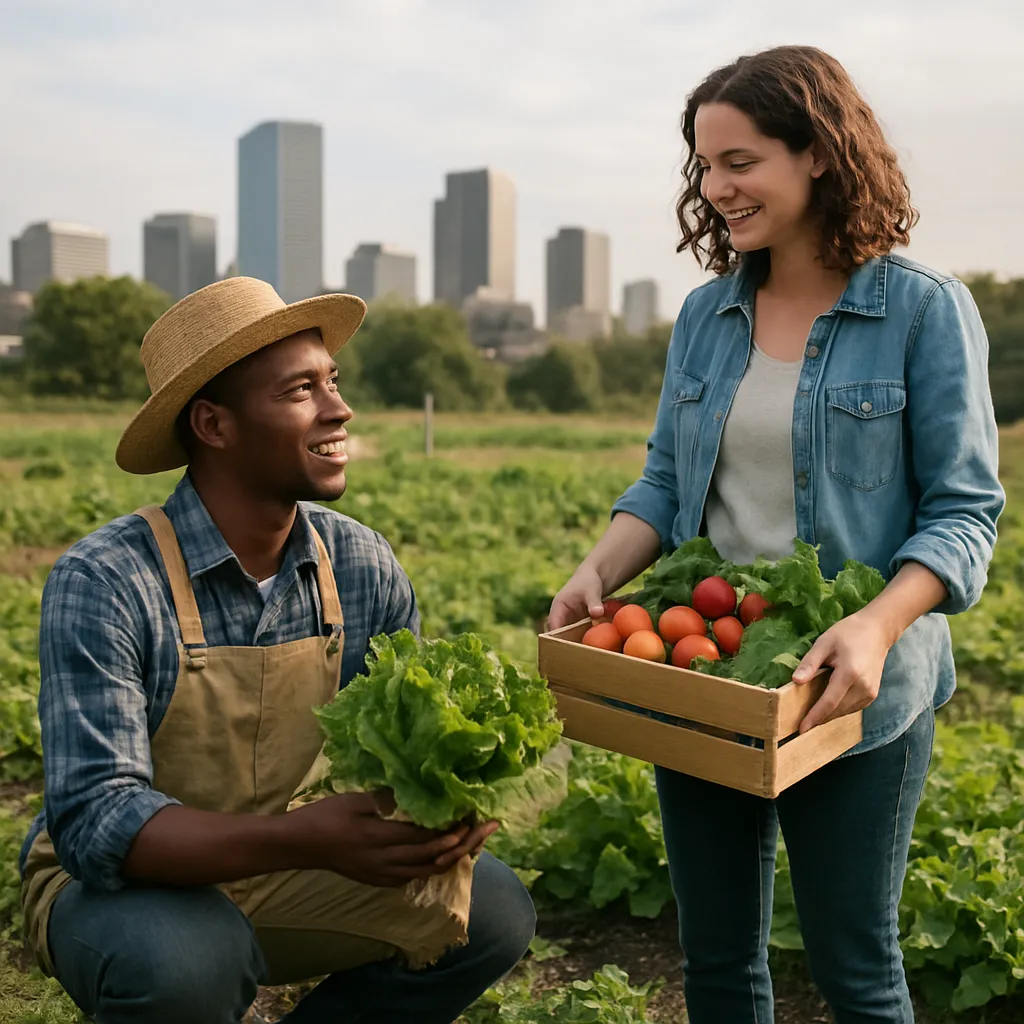
Engaging with your local community enhances both social and economic sustainability. Partner with nearby farmers for seed exchanges, bulk organic inputs, or shared equipment. Host workshops on composting, rainwater harvesting, and agroforestry techniques to spread knowledge and cultivate a network of support. Collaborating with schools and non-profits can turn your farmhouse into a demonstration site, inspiring visitors to adopt renewable practices.
- Use native plants in landscaping to reduce irrigation and support local wildlife.
- Install solar panels or wind turbines to achieve off-grid power independence.
- Create wildlife corridors by preserving hedgerows and small woodlots.
- Incorporate agroforestry belts around fields for shelter and additional yields.
- Monitor progress with simple metrics: energy bills, water usage, and harvest weights.