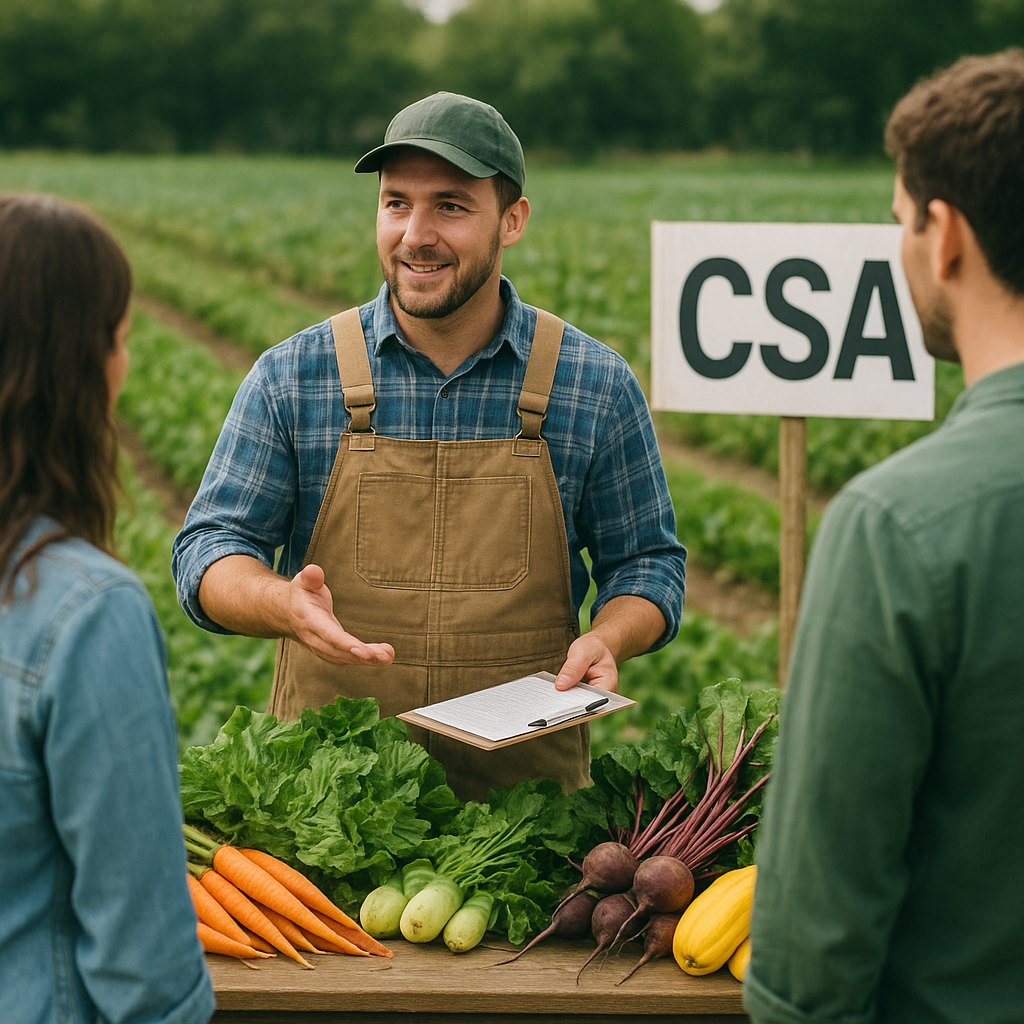
Community Supported Agriculture (CSA) offers a unique way for farmers to build a direct connection with consumers while sharing the risks and rewards of each season’s harvest. By inviting members to subscribe in advance, growers can secure reliable income, streamline planning, and foster a deep sense of community engagement. Launching a successful CSA program requires thoughtful preparation, effective outreach, and adaptive management to meet both farm and member expectations.
Define Your Vision and Goals
Understanding the CSA Model
At its core, CSA is a partnership: farmers supply seasonal produce, and members purchase shares before the season begins. This arrangement provides financial stability to the grower and discount pricing for the consumer. When launching your program, underlining the mutual benefits of shareholding helps potential members appreciate the collaborative spirit inherent in CSA. Consider questions such as:
- What types of crops or products will best serve your local community?
- How many shares can you realistically fulfill each week during peak season?
- Which farm values—organic certification, regenerative methods, or heirloom varieties—will guide your commitment?
Setting Clear Objectives
Before recruiting subscribers, establish measurable targets. A well-defined subscription goal ensures you don’t overextend on production or under-serve your members. Examples of objectives include:
- Enroll 50 full-season and 20 half-season members by spring.
- Maintain a 95% share delivery rate throughout the growing cycle.
- Achieve a 20% increase in social media engagement to boost sign-ups.
Use these benchmarks to create a timeline for marketing, planting, and membership renewal campaigns.
Planning and Preparation
Crop Selection and Rotation
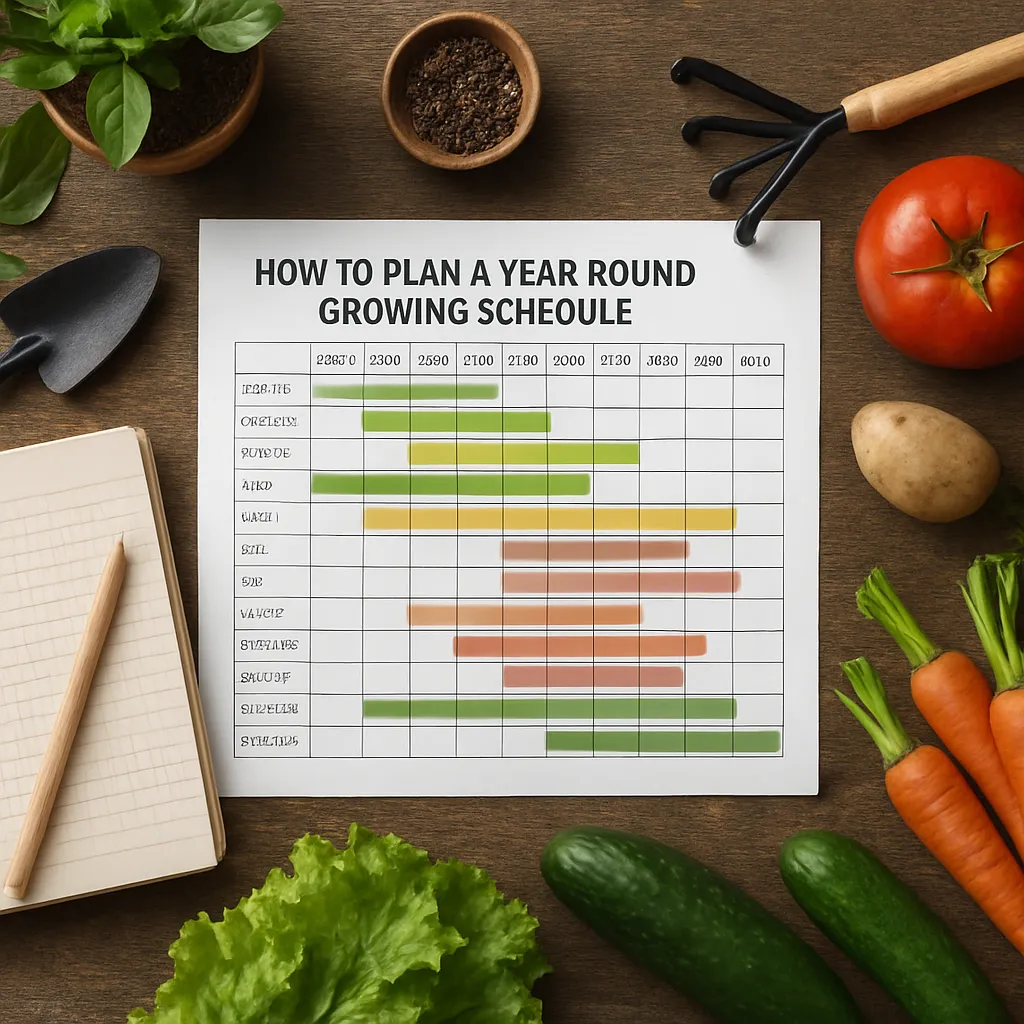
Thoughtful crop planning is vital to sustaining an engaging share offering. Identify staple items—lettuce, tomatoes, and carrots—that members expect weekly, while rotating in specialty crops to maintain excitement. Implement these best practices:
- Diversify with at least 3 types of greens to mitigate pest pressure.
- Schedule succession plantings of salad crops every two weeks for a constant harvest supply.
- Integrate cover crops and legumes during off-peak seasons to improve soil health.
Solid crop rotation fosters both sustainability and long-term fertility, minimizing reliance on synthetic inputs.
Infrastructure and Resource Management
Effective operations hinge on the right infrastructure. Systems for irrigation, packing, and cold storage are critical. Consider the following key investments:
- High-tunnel or greenhouse space to extend your growing season by several weeks.
- Walk-in cooler or dedicated cold storage unit to preserve post-harvest freshness.
- Easy-access packing stations equipped with scales, labels, and sanitation supplies.
Mapping out resource needs early prevents last-minute scrambling once the season accelerates.
Membership and Marketing
Building Your Community
Engagement is more than just selling produce; it’s about nurturing relationships. Host on-farm events, such as workdays or potlucks, to allow members to connect with the land and staff. These partnerships not only strengthen loyalty but also amplify word-of-mouth referrals. Ways to foster community include:
- Monthly “CSA Potluck” featuring recipes made from share contents.
- Volunteer planting days, where members help set transplants or lay mulch.
- Regular newsletters with farm updates, personal stories, and upcoming events.
Effective Marketing Strategies
To attract both new and returning subscribers, employ a mix of digital and traditional marketing tactics. Focus on:
- Social media campaigns showcasing sustainability practices and vibrant produce photos.
- Email drip sequences that share testimonials, early-bird discounts, and detailed share options.
- Local partnerships with restaurants or food co-ops to display CSA signage and distribute flyers.
- Farmers’ market presence with branded banners and sample recipes.
By blending outreach channels, you can reach diverse audiences and fill share slots more efficiently.
Operations and Logistics
Harvest Scheduling and Packing
Organizing weekly harvest operations streamlines both labor and member satisfaction. Start by preparing a detailed harvest calendar that aligns with crop maturity forecasts. Key steps include:
- Daily morning harvest shifts to pick at peak freshness.
- Dedicated packing crew trained in portioning and quality control.
- Clear labeling with share contents, pickup details, and storage tips.
A consistent routine minimizes waste and ensures that each share meets member expectations for quantity and quality.
Distribution Methods
Convenient pickup and delivery options drive member retention. Evaluate these distribution models:
- On-Farm Pickup: Members collect shares at a designated time—ideal for building face-to-face rapport.
- Community Drop-Off: Rotate through neighborhood hubs such as community centers or offices.
- Home Delivery: Contract with a local courier or arrange volunteer drivers to drop off shares directly.
Select models that align with your geographic reach and logistical capacity, balancing service quality with operational costs.
Financial Management and Growth
Budgeting and Pricing
Accurate budgeting underpins a financially viable CSA. Calculate all costs—including seeds, labor, packaging, and overhead—to set a fair share price. Consider tiered pricing:
- Full Share: Weekly produce for a family of four.
- Half Share: Smaller portion for couples or singles.
- Add-Ons: Specialty items like eggs, honey, or cut flowers.
Offering flexible payment plans or work-share discounts can attract a broader range of participants while maintaining necessary revenue.
Feedback and Continuous Improvement
Soliciting member feedback helps refine your CSA year after year. Distribute periodic surveys to learn about share satisfaction, favorite items, and desired changes. Engage directly through:
- Suggestion boxes at pickup sites.
- Short online polls asking about recipe usefulness and produce preferences.
- One-on-one conversations during farm events to gather candid feedback.
Analyzing this data allows you to adjust crop mixes, packing methods, and communication strategies to better serve your CSA base.
Scaling Your CSA and Long-Term Vision
Diversifying Offerings
Once your core program is stable, explore additional revenue streams such as:
- Value-added products: pickles, jams, and dried herbs made from excess produce.
- Educational workshops: cooking classes or farm tours.
- Wholesale partnerships: supplying local restaurants or grocers.
These initiatives enhance profitability while deepening ties to your regional food system.
Building for Future Seasons
Set annual reviews to assess successes and challenges. Refine your operational manuals, update your marketing collateral, and adjust your crop plans based on member trends. By keeping an eye on both current performance and future growth opportunities, your CSA can continue to thrive and become a cornerstone of your local food network.