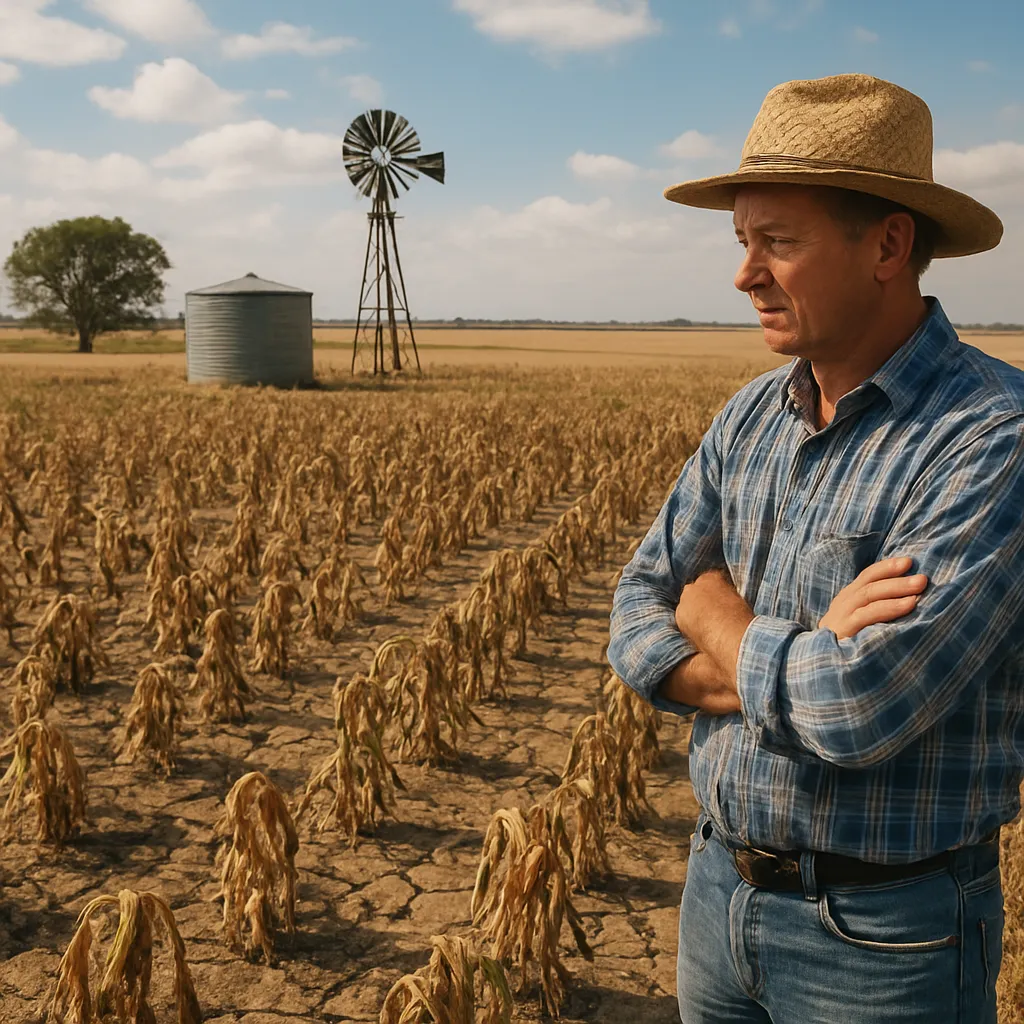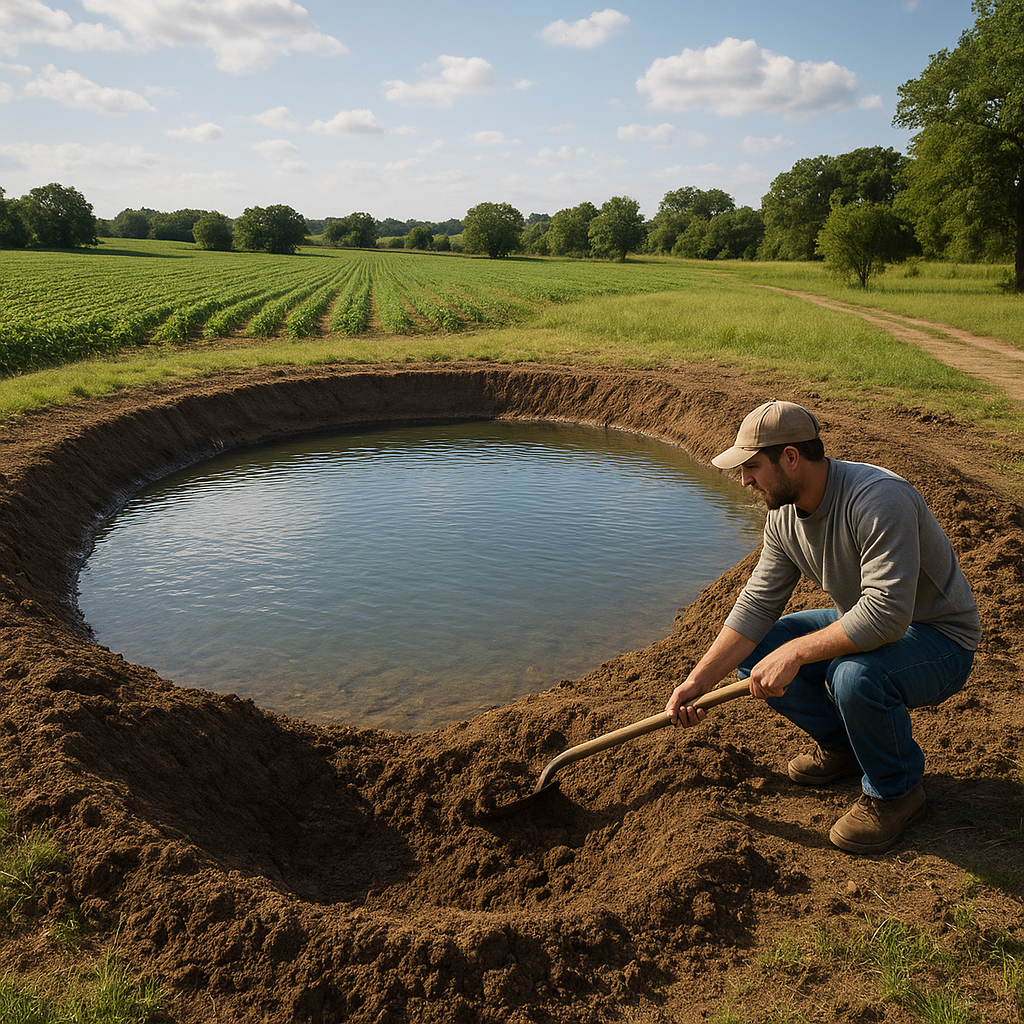
Building a farm pond for irrigation is a transformative step toward enhancing crop yields and securing a stable water supply. This comprehensive guide explores the essential processes, from selecting an ideal site to maintaining a thriving aquatic ecosystem. By understanding key principles and employing proven techniques, farmers can create a sustainable irrigation solution that benefits both crops and the local environment.
Site Selection and Planning
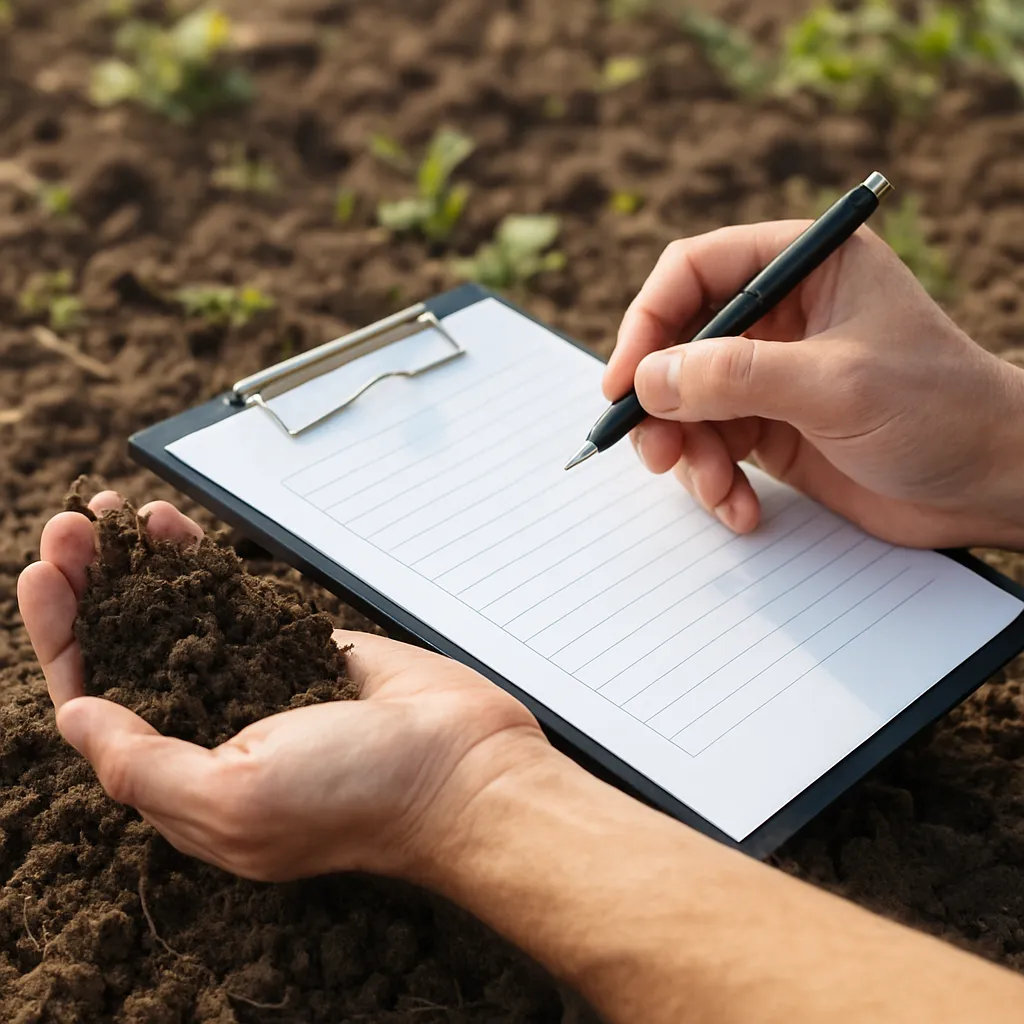
Choosing the right location is the cornerstone of any successful pond project. Factors such as topography, soil type, and proximity to fields determine the long-term performance of your irrigation pond. A gently sloping area with natural depressions reduces the amount of work required for excavation. Soil analyses should be conducted to assess permeability; clay-rich soils are ideal because they minimize seepage, whereas sandy soils often require additional sealing measures.
Evaluating Topography
- Contour analysis: Identify natural contours that can be adapted.
- Elevation difference: Ensure sufficient head for gravity-fed irrigation systems if pumps are not available.
- Water source proximity: Locate the pond near reliable water inflow such as streams, springs, or surface runoff catchments.
Regulatory Compliance
Before breaking ground, verify local regulations regarding dam height, water rights, and environmental impact assessments. Acquiring permits often involves submitting a site plan that outlines the proposed design, potential downstream effects, and mitigation strategies.
Design and Excavation
An efficient pond design optimizes water storage capacity while reducing construction costs. Begin by calculating desired volume based on irrigation needs, crop water requirements, and seasonal rainfall patterns. Sketch a cross-section to visualize depth zones—shallow shelves for wildlife habitat and deeper central basins for maximum water retention.
Volume Calculation
- Water demand: Estimate daily and seasonal irrigation volumes.
- Catchment yield: Analyze the amount of runoff collected from adjacent land.
- Buffer allowance: Include extra capacity for sediment accumulation and drought resilience.
Excavation Techniques
Employing the right machinery and methods ensures precision. Backhoes and excavators are commonly used for bulk soil removal, while graders and dozers help shape banks and outlets. Keep excavated soil on-site to build levees or berms, reducing the need for external fill.
Sealing and Lining Techniques
Preventing seepage is crucial to maintain pond integrity. Options range from natural clay layers to synthetic liners. A well-prepared subgrade and proper compaction further minimize leaks.
Clay Lining
- Compaction: Layer and compact clay to achieve a dense barrier.
- Moisture control: Maintain optimal moisture content for maximum impermeability.
- Thickness standards: Ensure a minimum lining thickness of 6–12 inches depending on soil quality.
Synthetic Liners
High-density polyethylene (HDPE) and ethylene propylene diene monomer (EPDM) liners offer a cost-effective solution when natural materials are insufficient. Secure liners with protective geotextile layers and backfill trenches around the edges to anchor them in place.
Installation of Inlet and Outlet Structures
Efficient inflow and outflow mechanisms regulate water levels and safeguard against overtopping. Carefully design these structures to handle peak flows and facilitate maintenance.
Inlet Construction
- Energy dissipation: Use riprap or plunge pools to reduce erosion from high-velocity inflows.
- Sediment control: Install silt traps or debris screens to prolong pond life.
Outlet Design
Adjustable spillways and pipe stilling wells control discharge rates and maintain safe water levels. Incorporate valves or sluice gates to regulate outflows for irrigation scheduling.
Vegetation Management and Water Quality
A balanced aquatic ecosystem enhances water quality by filtering pollutants and supporting beneficial wildlife. Thoughtful planting and periodic monitoring prevent issues like algae blooms and invasive species.
- Buffer zones: Establish native grasses and shrubs to filter runoff.
- Deep-water species: Introduce submerged plants that oxygenate the water and provide habitat.
Nutrient Control
Regularly test nutrient levels—particularly nitrogen and phosphorus—and adjust fertilization practices in surrounding fields to minimize leaching. Employ rotational grazing or controlled livestock access to reduce bank erosion.
Maintenance and Sustainability Practices
Long-term pond health depends on routine care and adaptive management. Scheduled inspections, sediment removal, and infrastructure repairs preserve functionality and extend the life of the reservoir.
Routine Inspections
- Bank stability: Check for cracks, slumps, or animal burrows.
- Leak detection: Monitor water levels and investigate unusual drops.
- Mechanical checks: Test valves, gates, and pumps for proper operation.
Sustainable Upgrades
Consider adding solar-powered aerators or wind-driven mixers to improve aeration without increasing energy costs. Incorporating rainwater harvesting systems and drip irrigation lines enhances overall sustainable farm water management.