Hydroponic farming is revolutionizing the way we cultivate plants by eliminating soil and using nutrient-rich water solutions. This soilless method offers remarkable sustainability potential while demanding precise management of resources. Enthusiasts praise its ability to deliver higher yields in limited spaces, but critics point to significant initial costs and energy requirements. This article examines the pros and cons of hydroponic systems, explores ongoing innovations, and assesses how this approach fits into the future of agriculture.
Advantages of Hydroponic Systems
Many growers have turned to hydroponics because of its unmatched efficiency and control over environmental conditions. Below are the primary benefits this system offers:
- Water Efficiency: Hydroponic setups use up to 90% less water than traditional soil farming. Water circulates through the system, minimizing waste and evaporation.
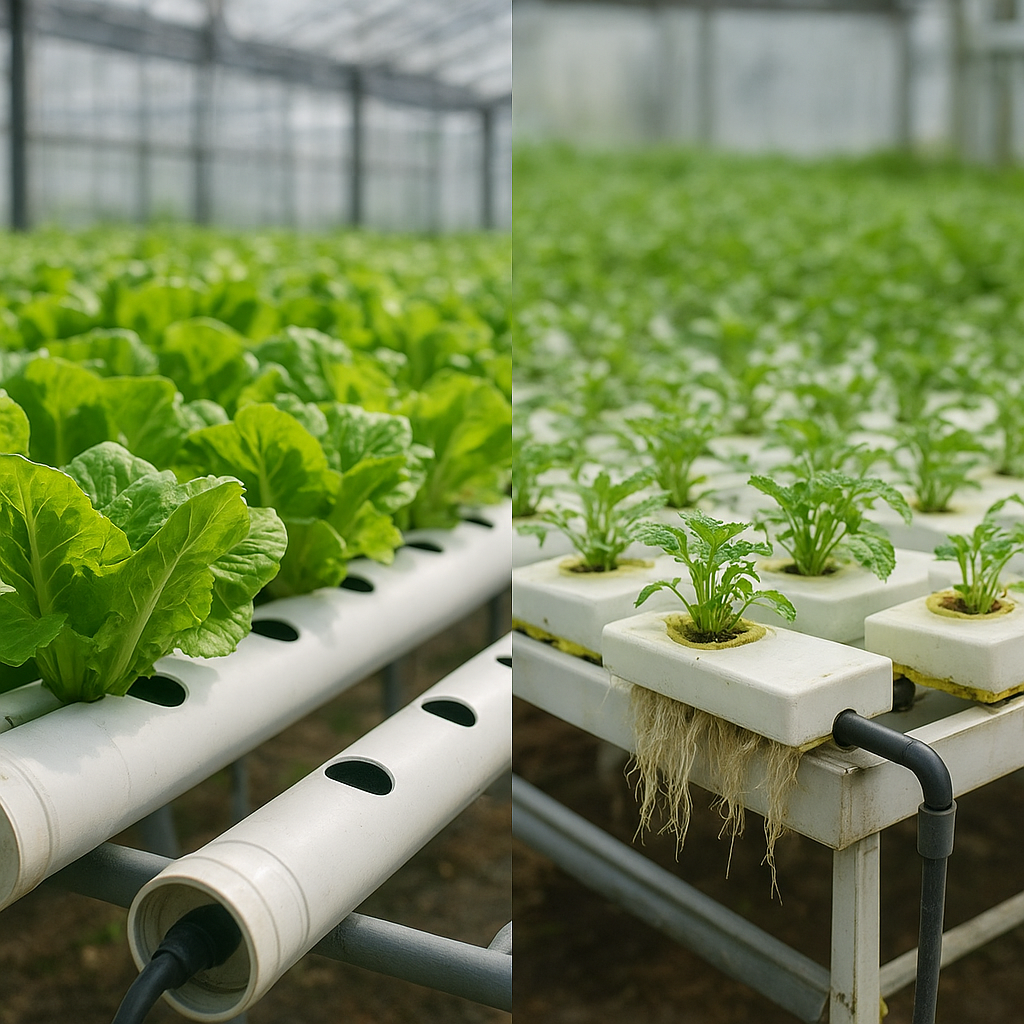
- Space Optimization: Vertical racks, gutters, and towers allow plants to grow in layers. Urban growers can cultivate more produce in confined settings, such as rooftops or abandoned warehouses.
- Yield Enhancement: Controlled environments and precise nutrient delivery often result in faster growth cycles and higher yields per square meter than open-field cultivation.
- Nutrient Control: Growers can tailor the nutrient solution to each crop’s needs, ensuring plants receive the exact mix of minerals required for optimal health.
- Pest Reduction: Soil-borne pests and diseases are largely eliminated, reducing the need for chemical pesticides and promoting cleaner produce.
- Year-Round Production: With artificial lighting and climate control, farmers can cultivate fresh vegetables and herbs regardless of seasonal changes.
Challenges and Limitations
Despite its many strengths, hydroponic farming presents several obstacles that can hinder widespread adoption. Understanding these drawbacks is essential before investing in any large-scale hydroponic project.
- High Initial Investment: Setting up a hydroponic facility involves costs for equipment such as pumps, reservoirs, lighting systems, and sensors. Start-up expenses can be prohibitive for small-scale farmers.
- Energy Consumption: Maintaining appropriate lighting, temperature, and circulation often depends on electricity. In regions without affordable renewable power, energy bills can escalate rapidly.
- Technical Expertise: Operators must monitor pH levels, nutrient concentrations, and system performance constantly. A minor imbalance can lead to nutrient lockout or plant stress.
- Disease Management: Waterborne pathogens can spread quickly through shared reservoirs, necessitating rigorous cleaning protocols and water filtration to prevent widespread crop losses.
- Dependency on Supply Chains: Specialized nutrients and growing media may need to be imported, making growers vulnerable to disruptions in global logistics.
- Limited Crop Variety: While many leafy greens, herbs, and some fruits thrive hydroponically, staple grains and root vegetables often perform poorly outside soil.
Economic and Environmental Considerations
Evaluating hydroponic farming requires a balanced look at both financial viability and environmental impact. Some key factors include:
- Return on Investment: Profitability depends on local market demand, operational efficiency, and crop selection. High-value produce like microgreens or specialty herbs may offer quicker payback.
- Water Footprint vs. Energy Footprint: Savings in water use must be weighed against potential increases in carbon emissions if power derives from nonrenewable sources.
- Land Use Reduction: Hydroponics can free up large land areas for rewilding or other agricultural applications, improving overall ecosystem health.
- Waste Management: Spent nutrient solutions require proper disposal or recycling to avoid environmental contamination.
Innovations Driving the Future
Innovators continue to refine hydroponic techniques, addressing many of the current limitations. Breakthroughs include:
Vertical Farming Integration
Combining hydroponics with aeroponics or aquaponics in vertical towers maximizes productivity per square meter. These integrated systems allow vegetables, fish, and beneficial bacteria to coexist, creating a closed-loop ecosystem with minimal waste.
Renewable Energy Adoption
Solar panels, wind turbines, and bioenergy systems are beginning to power hydroponic farms. By coupling these clean sources with energy-efficient LED lighting and thermal management, growers can dramatically lower their carbon footprint.
Advanced Automation and AI
Internet of Things (IoT) sensors, machine learning algorithms, and cloud-based dashboards enable real-time monitoring and predictive adjustments. Automated nutrient dosing, climate control, and even robotic harvesting reduce labor costs and human error.
Biodegradable Growing Media
Researchers are developing eco-friendly alternatives to rock wool and perlite, such as coconut coir blends, mycelium-based substrates, and recycled agricultural byproducts. These materials improve sustainability and can be composted after use.
Practical Tips for Aspiring Hydroponic Growers
For those considering their first hydroponic venture, here are a few guidelines to ensure success:
- Start Small: Pilot projects with a few dozen plants help you learn system dynamics before scaling up.
- Choose Hardy Crops: Begin with lettuce, basil, or spinach to gain experience in nutrient management.
- Invest in Quality Equipment: Reliable pumps, timers, and sensors minimize downtime and crop loss.
- Maintain Water Quality: Regularly test pH and electrical conductivity (EC) to keep nutrient levels within target ranges.
- Educate Yourself: Online courses, grower communities, and local workshops can accelerate your learning curve.
Community and Social Impact
Hydroponic farming can transform urban food deserts by providing fresh, local produce where traditional agriculture cannot thrive. Community-run vertical gardens and school-based systems engage citizens in nutrition education and strengthen food security. In both developed and developing regions, hydroponics offers a pathway to more equitable and resilient food systems.