Achieving higher agricultural productivity without compromising the environment demands a comprehensive approach that balances economic viability, social responsibility, and environmental stewardship. By adopting innovative techniques and time-tested practices, farmers can enhance their crop yield while nurturing long-term sustainability and resilience in their agroecosystems.
Soil Management Strategies
1. Building and Maintaining Soil Health
Healthy soil is the foundation of any productive farm. Emphasizing organic matter and microbial activity improves nutrient cycling and water retention. Practices that support robust soil health include:
- Organic amendments: Incorporating compost, green manures, or crop residues adds essential nutrients and fosters beneficial microorganisms.
- Cover cropping: Planting legumes or grasses between main crops helps prevent erosion, suppress weeds, and fix atmospheric nitrogen for subsequent plantings.
- Reduced tillage: Minimizing soil disturbance maintains structure, enhances water infiltration, and preserves carbon stocks.
2. Crop Rotation and Diversity
A well-designed rotation of cereals, legumes, and broadleaf crops breaks pest and disease cycles, improves nutrient use efficiency, and enhances biodiversity. Rotations might include:
- Legume–cereal sequences to boost natural nitrogen supply.
- Intercropping systems that combine complementary species for mutual shelter and resource sharing.
- Inclusion of deep-rooted plants that draw nutrients from subsoil layers.
3. Conservation Agriculture Principles
Conservation agriculture integrates minimal soil disturbance, permanent soil cover, and diversified crop rotations. Adopting these principles can dramatically reduce erosion, enhance soil health, and lower production costs. Key steps involve:
- Direct seeding or no-till drills to plant without plowing.
- Maintaining mulch or live cover on the field to shield soil.
- Integrating livestock grazing to recycle nutrients.
Water Management and Irrigation Techniques
1. Efficient Irrigation Systems
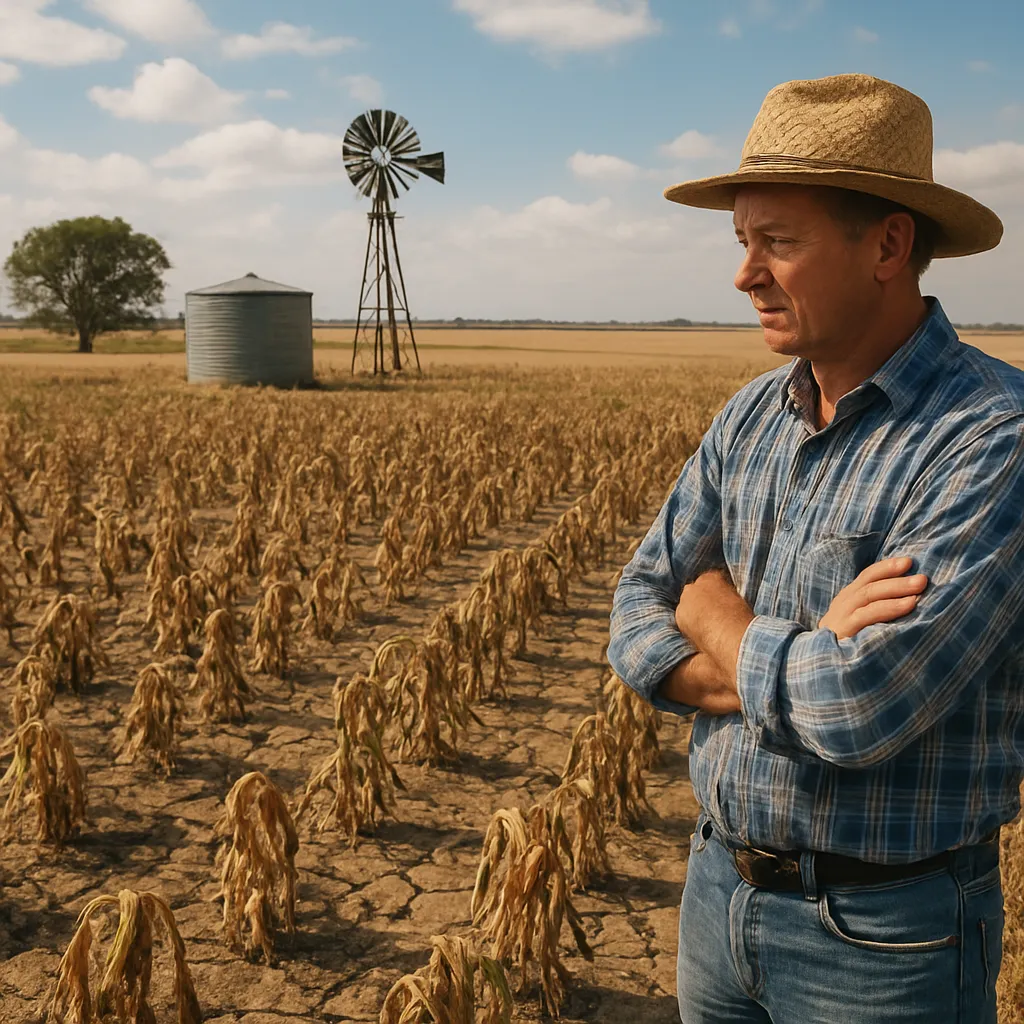
Water scarcity is a major barrier to boosting crop yield. Efficient systems optimize water delivery and reduce losses:
- Drip irrigation targets the root zone directly, cutting evaporation and runoff.
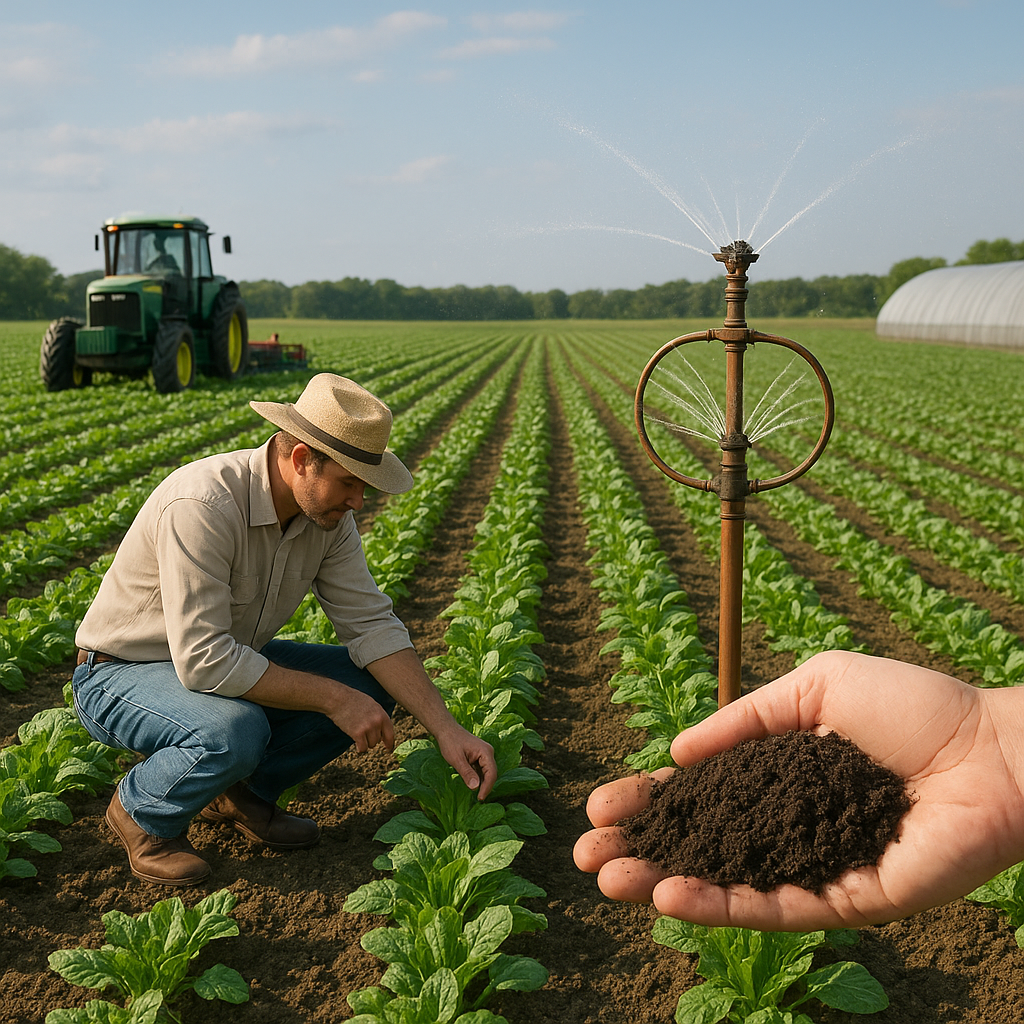
- Sprinkler systems with low-pressure nozzles minimize water droplet drift.
- Automated scheduling based on soil moisture sensors ensures crops receive just the right amount of water.
2. Rainwater Harvesting and Storage
Collecting and storing rainwater during wet seasons offers a reliable supply during dry spells. Strategies include:
- Contour bunding and micro-catchments to channel rain into on-farm ponds.
- Roof catchment systems on farm buildings for domestic and irrigation use.
- Underground cisterns reducing evaporation losses.
3. Soil Moisture Conservation
Preserving the water already in the soil reduces the need for external irrigation. Techniques involve:
- Mulching with straw, plastic film, or living covers to cut evaporation.
- Reduced tillage to keep soil aggregates intact and minimize cracking.
- Contour farming on slopes to slow runoff and encourage infiltration.
Pest and Nutrient Management
1. Integrated Pest Management (IPM)
IPM combines biological, cultural, physical, and chemical tools in a way that minimizes economic, health, and environmental risks. Core components include:
- Scouting and threshold-based interventions to apply treatments only when necessary.
- Encouraging natural enemies through habitat strips and refuge areas.
- Deploying pheromone traps and biopesticides as alternatives to broad-spectrum chemicals.
2. Precision Nutrient Management
Optimizing fertilizer use curbs waste, lowers input costs, and prevents nutrient leaching. Best practices:
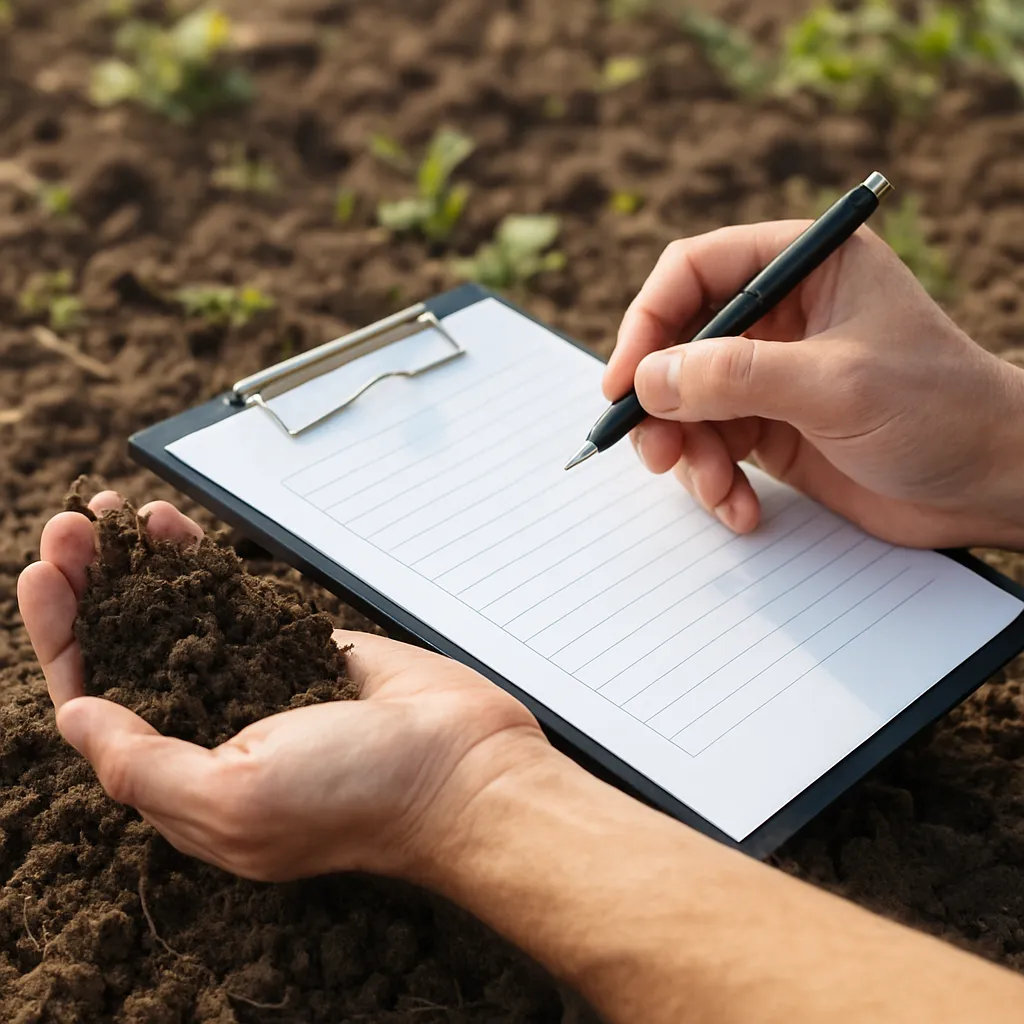
- Soil testing and plant tissue analysis to tailor nutrient applications.
- Variable-rate technology that applies fertilizer with GPS-driven equipment.
- Split dressing to match nutrient availability with crop growth stages.
3. Enhancing Biodiversity for Pest Suppression
Maintaining diverse plant and insect communities creates ecological checks that keep pest populations in balance:
- Agroforestry systems integrating trees and shrubs with crops.
- Flowering hedgerows that attract pollinators and predatory insects.
- Polycultures that reduce monoculture risks and direct pathogen spread.
Technological Innovations and Synergistic Practices
1. Precision Agriculture Tools
Modern technologies empower farmers to make data-driven decisions, maximizing resource use efficiency:
- Remote sensing via drones or satellites to monitor crop vigor and stress.
- GPS-guided machinery for accurate planting, fertilizing, and harvesting.
- Decision-support software integrating weather forecasts, market data, and agronomic models.
2. Agroforestry and Polyculture Integration
Combining trees, shrubs, and crops on the same land unit promotes carbon sequestration, diversifies income, and enhances ecosystem services:
- Alley cropping where nut or fruit trees are planted between rows of annual crops.
- Silvopasture systems that integrate livestock with tree cover.
- Forest farming of medicinal plants or mushrooms beneath tree canopies.
3. Collaborative Approaches and Knowledge Sharing
Networks among farmers, researchers, and extension agents accelerate the adoption of conservation agriculture and sustainable innovations. Effective collaboration entails:
- On-farm trials and demonstration plots to showcase benefits.
- Farmer field schools facilitating peer-to-peer learning.
- Open-access platforms for sharing success stories and technical guidelines.
4. Embracing Organic and Natural Inputs
Organic amendments and biologically based inputs reduce reliance on synthetic chemicals while supporting ecosystem health:
- Biofertilizers containing beneficial microbes that improve nutrient uptake.
- Botanical extracts and microbial biopesticides for targeted pest control.
- Vermicompost and worm teas rich in enzymes and growth-promoting substances.
By weaving together traditional knowledge and cutting-edge science, agricultural producers can sustainably elevate their crop yield. Embracing practices such as precision agriculture, agroforestry, and integrated pest management ensures that farms remain productive, resilient, and in harmony with the natural world for generations to come.