Successfully cultivating a vibrant garden throughout the entire year requires thoughtful planning, innovative techniques, and a deep understanding of plant biology. By combining traditional methods with modern technologies, every gardener—whether novice or experienced—can enjoy a continuous supply of fresh produce. This guide explores essential strategies and tools for sustaining vegetable growth in diverse conditions, ensuring a reliable harvest regardless of the season.
Selecting the Right Environment
Choosing an optimal setting is the first step in any gardening endeavor. Factors such as temperature fluctuations, light availability, and humidity all influence plant health. Understanding your local climate zone will help you decide if an outdoor garden alone can suffice or if you need supplemental structures like a greenhouse or indoor grow area.
Greenhouse Systems
Greenhouses offer controlled conditions that help maintain steady temperatures and humidity levels. Common designs include hoop houses, lean-tos, and fully insulated glass structures. By installing ventilation vents, heating systems, and even automated shading, you create a microclimate where delicate crops can thrive through cold snaps or sweltering heat.
Indoor and Container Gardening
Indoor gardens use artificial lighting, hydroponic reservoirs, and carefully monitored nutrient solutions. Containers—ranging from pots on balconies to vertical towers—allow gardeners to optimize space. Utilizing LED grow lights with specific spectra encourages robust leaf and fruit development. Indoor setups also eliminate many outdoor pests, simplifying pest management.
Cultivation Techniques for Continuous Harvest
Ensuring a productive garden year-round hinges on integrating multiple methods tailored to your environment. By rotating crops, enriching the soil, and managing water wisely, you can harvest fresh vegetables from winter through summer.
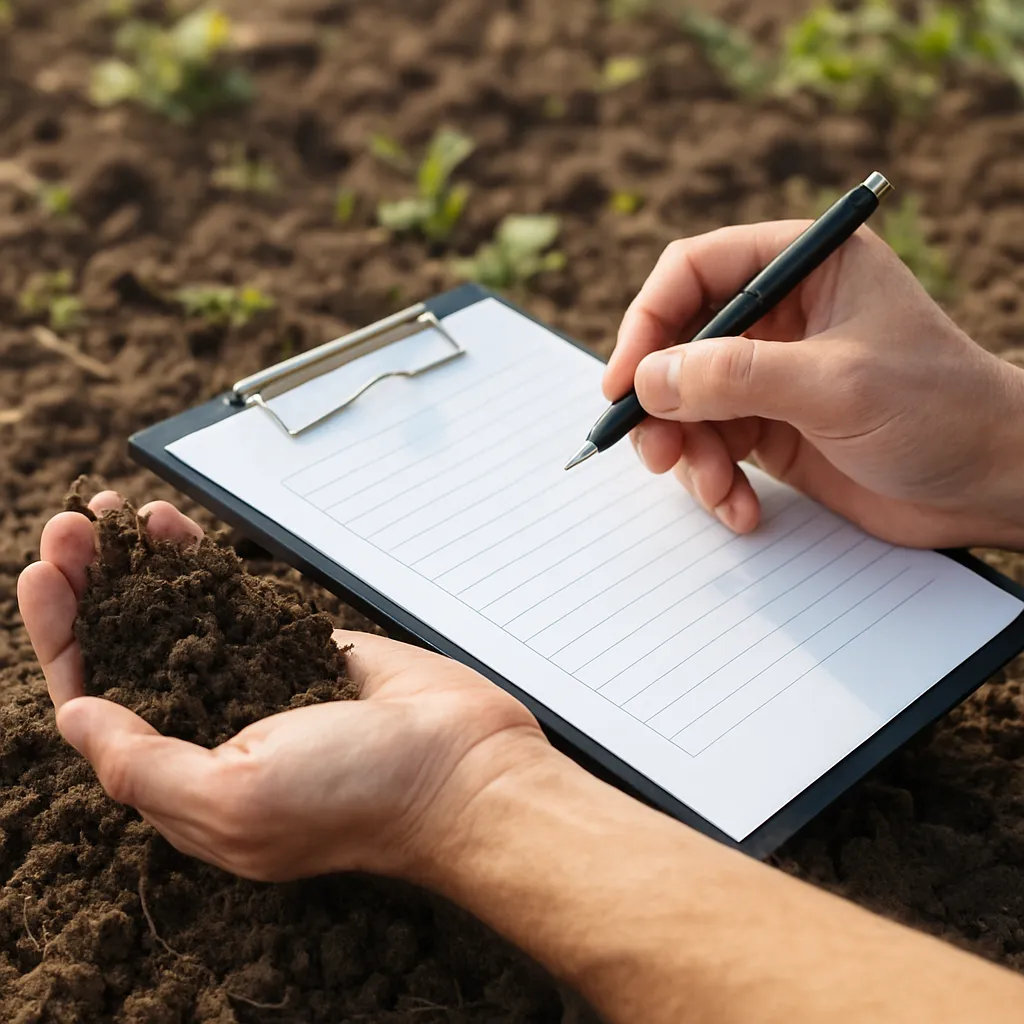
- Soil Preparation: Begin with a balanced mix of garden loam, coarse sand, and organic matter. Incorporate compost to improve structure and nutrient content. Regular pH testing ensures optimal nutrient uptake.
- Succession Planting: Stagger seed sowing at regular intervals so that new seedlings are always ready to replace mature plants. This technique guarantees a steady supply of lettuce, radishes, and other quick-maturing vegetables.
- Irrigation: Invest in drip irrigation lines or soaker hoses to deliver water directly to the root zone, reducing evaporation and fungal issues on foliage. Automate your system with timers or moisture sensors.
- Hydroponics: Soil-free systems like nutrient film technique (NFT) or deep water culture (DWC) accelerate growth and conserve water. Hydroponics allows precise control over nutrient concentrations and pH, leading to faster maturation and higher yields.
- Perennial Vegetables: Plant long-lived edibles such as asparagus, rhubarb, and artichokes. These perennial species return each year, reducing bed turnover and providing early-season produce.
Protecting Your Garden Throughout the Seasons
A dynamic garden requires proactive measures to safeguard plants from extreme weather, pests, and diseases. Employing diverse barriers and schedules helps maintain vitality.
Seasonal Pest Management
- Introduce beneficial insects like ladybugs and lacewings to naturally reduce aphid populations.
- Rotate crops annually to prevent soil-borne pathogens from establishing strongholds.
- Apply organic sprays such as neem oil or insecticidal soap at the first sign of infestation.
- Install floating row covers to exclude flying pests without blocking essential light.
Frost and Heat Protection
- Use insulated cloches, cold frames, or portable hoop tunnels to shield young seedlings from unexpected frosts.
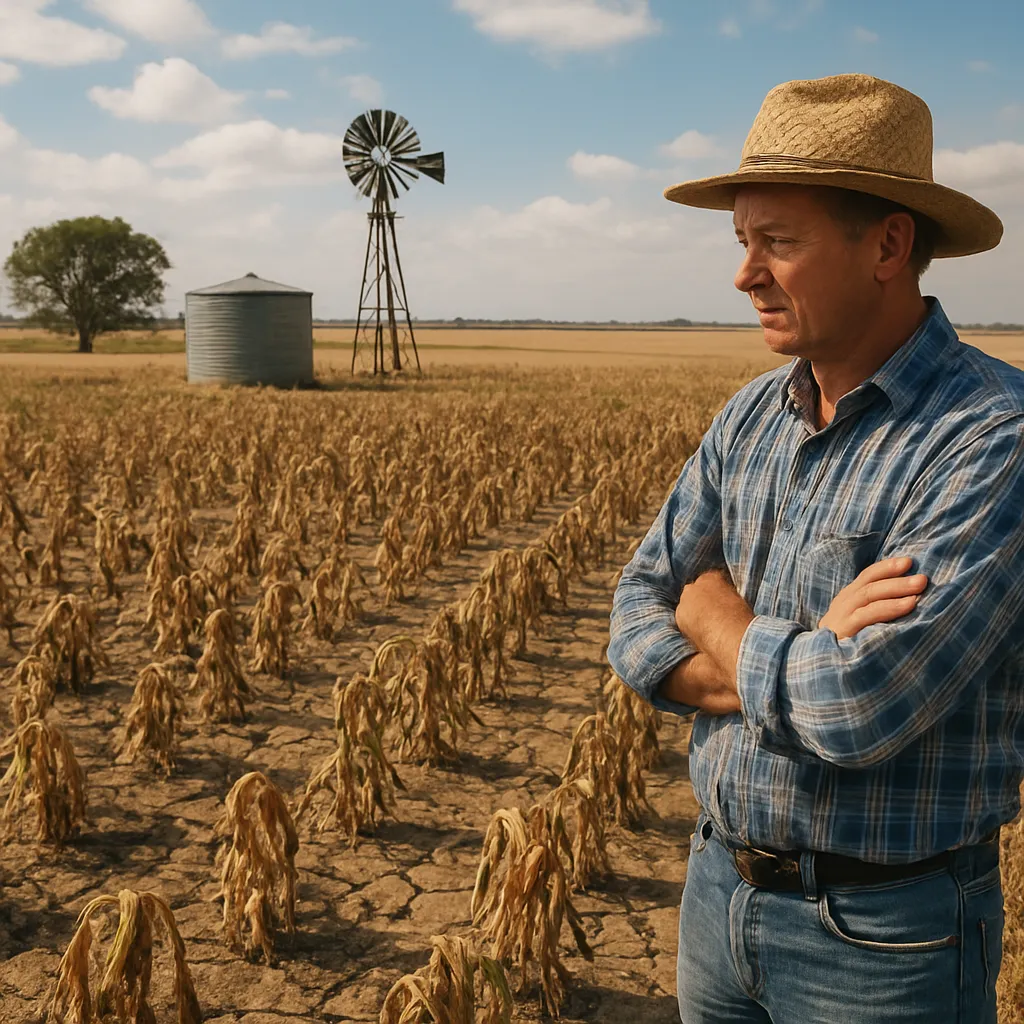
- Drape shade cloth over vulnerable plants during intense mid-summer sun to prevent leaf scorch and dehydration.
- Mulch heavily around root zones to maintain consistent soil temperatures, reducing stress on roots during temperature swings.
Optimizing Growth with Supplemental Strategies
Advanced techniques can elevate yields and extend your gardening season even further. Incorporating creative approaches makes year-round cultivation more accessible.
Lighting and Photoperiod Control
Many vegetables rely on day-length cues to flower and set fruit. Using programmable LED fixtures, you can mimic natural light cycles for leafy greens and fruiting plants alike. For example, increasing day length to 14–16 hours encourages bolting in spinach and vigorous leaf production in kale.
Composting and Soil Amendments
On-site composting recycles kitchen scraps and garden waste into rich, humus-filled material. A hot compost pile (above 55°C) not only breaks down organic matter rapidly but also destroys weed seeds and pathogens. Incorporate aged compost into beds before planting and use it as a top-dressing during the growing season for continuous nutrient release.
Nutrient Management
Regular foliar feeding with diluted organic fertilizers corrects deficiencies quickly. Monitor leaf color and growth rates to adjust nitrogen, phosphorus, and potassium levels accordingly. Essential micronutrients—such as magnesium, calcium, and iron—can be supplied through targeted soil drenches or chelated sprays.
Harvest Planning and Labor Efficiency
Coordinating harvest times and minimizing manual labor maximizes your garden’s productivity. A well-designed schedule prevents labor bottlenecks and ensures peak freshness for every vegetable you collect.
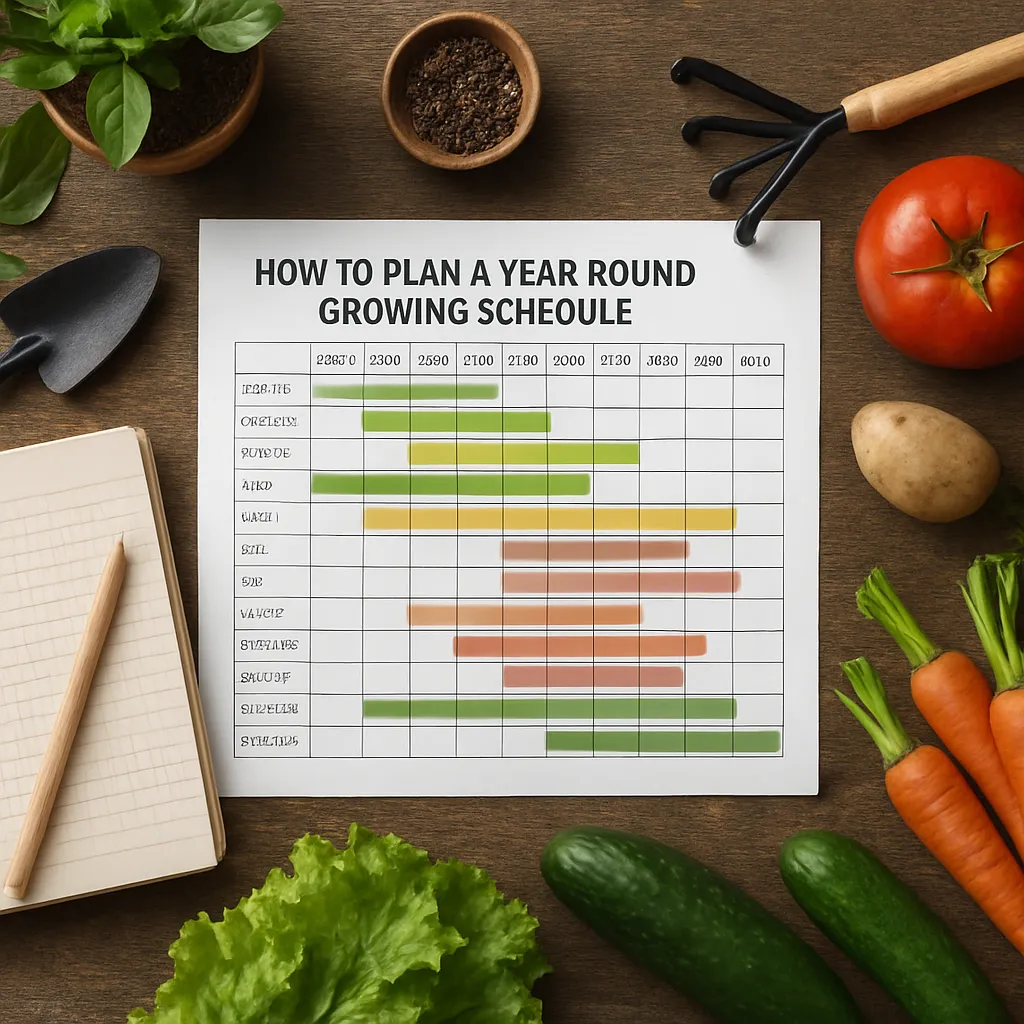
- Map planting dates on a calendar to align crop maturation with available time for harvesting and processing.
- Group plants by harvest frequency: daily (microgreens, salad greens), weekly (tomatoes, peppers), and monthly (winter squash, root vegetables).
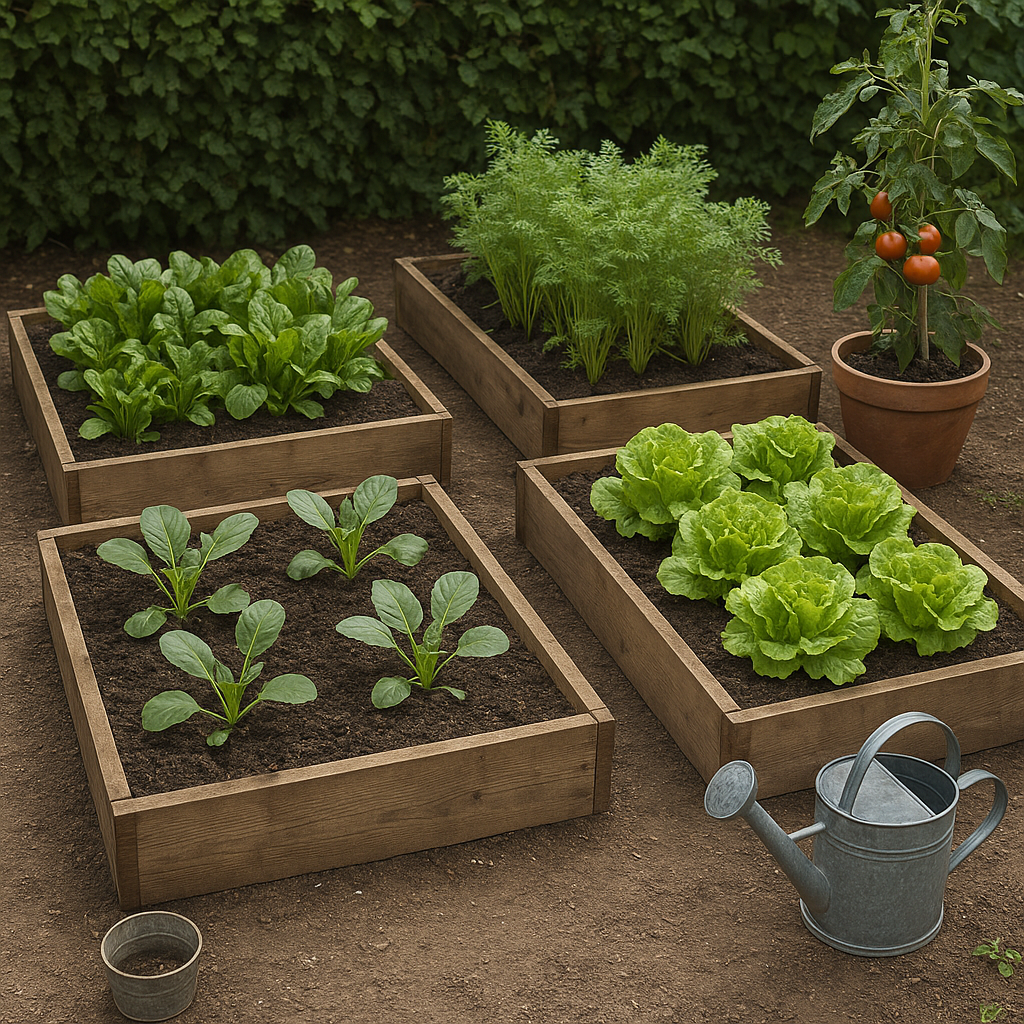
- Utilize raised beds and wide walkways to reduce soil compaction and simplify access to plantings.
- Implement simple tools like harvest baskets and rolling carts to speed up collection and transport of produce.