Effective farm waste management is essential for maintaining sustainability, protecting the environment, and optimizing resource use. Proper handling of organic residues, chemical by-products, and other disposals not only reduces pollution but also enhances soil fertility and overall farm productivity.
Common Types of Farm Waste
Understanding the various categories of farm waste is the first step toward designing an efficient management system. Each type has unique challenges and opportunities for reuse or treatment.
- Animal Manure: Livestock operations generate large volumes of manure, rich in nutrients such as nitrogen and phosphorus. Uncontrolled runoff can lead to water contamination.
- Crop Residues: Stalks, leaves, husks, and straw remain post-harvest. While these can be plowed back in, they may also harbor pests if not managed properly.
- Agrochemical Containers: Pesticide and fertilizer packaging must be handled with care to avoid soil and water pollution.
- Processing By-Products: Dairy plants produce whey; fruit orchards yield pomace. These by-products often contain valuable organic compounds but require treatment.
- Plastic Films and Nets: Used in mulching and trellising, these materials contribute to non-biodegradable waste streams.
Strategies for Reducing Waste Impact
Implementing a combination of traditional and innovative practices can significantly reduce environmental risks and improve resource efficiency.
1. Composting and Vermiculture
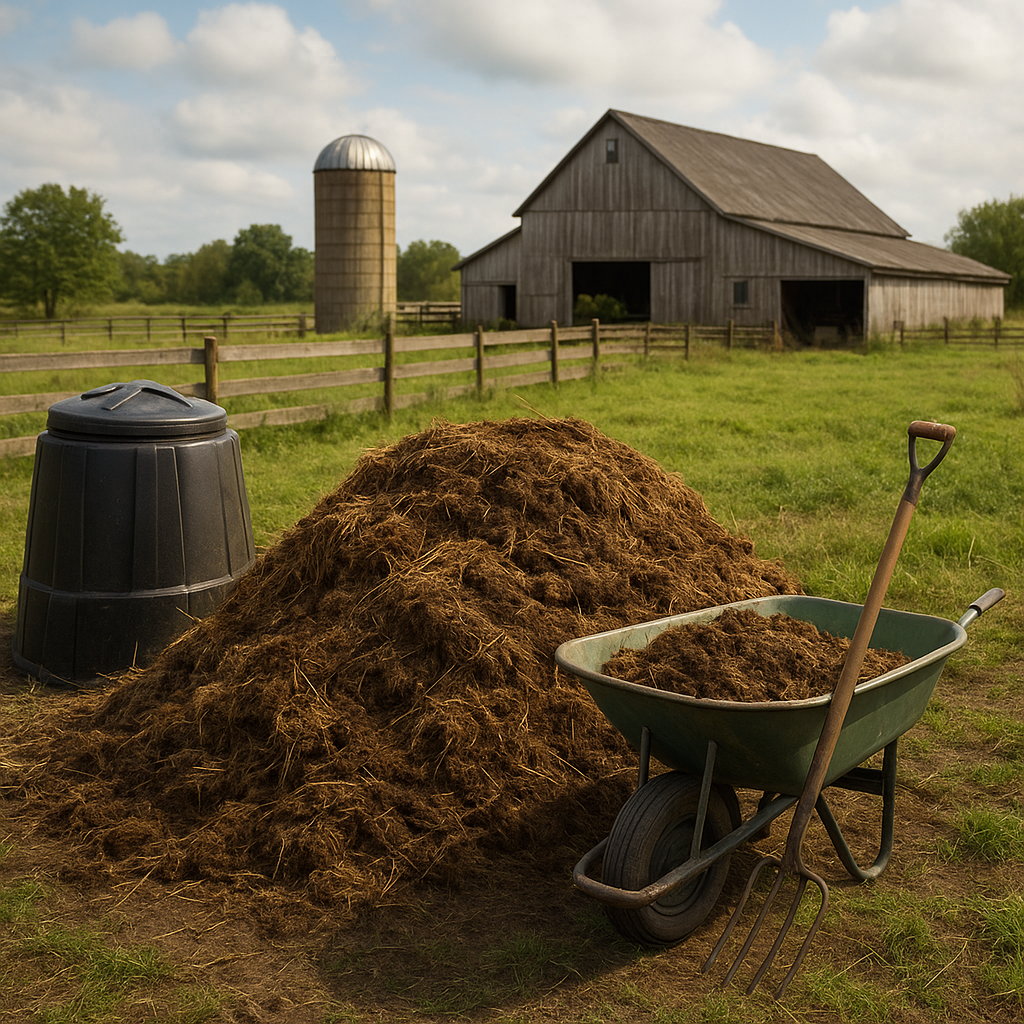
- Composting transforms organic waste into nutrient-rich soil amendments. Key parameters include moisture level (40–60%), C:N ratio (25–30:1), and aeration.
- Integrating vermiculture (worm composting) accelerates decomposition while producing worm castings, a superior fertilizer.
- Correctly managed compost piles minimize odors and greenhouse gas emissions.
2. Nutrient Recycling through Anaerobic Digestion
- Anaerobic digestion systems break down manure and crop residues in oxygen-free environments, generating biogas (methane) for energy use.
- The digestate, rich in stabilized nutrients, can replace synthetic fertilizers, closing the nutrient loop.
- On-site digesters reduce transportation costs and enhance farm-level biosecurity.
3. Manure Separation and Drying
- Mechanical separators divide liquid and solid fractions of manure. Solids can be used as bedding or further composted.
- Evaporative drying systems concentrate nutrients for easier storage and application.
- This approach reduces odor, lowers pathogen loads, and facilitates compliance with regulations.
Advanced Technologies in Waste Management
Emerging innovations are transforming how farmers approach waste. Adoption of precision tools and digital platforms ensures more accurate monitoring and efficient operations.
Precision Nutrient Management
- Soil sensors and variable-rate applicators adjust manure or fertilizer delivery based on real-time field data.
- Geo-referenced mapping helps track areas with nutrient excess or deficiency, minimizing runoff and leaching.
- Decision-support software integrates weather forecasts to schedule spreading during optimal conditions.
Biochar Production from Crop Residues
- Pyrolysis converts woody waste into biochar, a stable form of carbon that improves soil structure and water retention.
- Biochar application can sequester carbon for decades, contributing to climate change mitigation.
- Treated biochar adsorbs agrochemicals, reducing leaching risks.
Automated Monitoring and Reporting
- Internet of Things (IoT) devices track storage lagoon levels, gas emissions, and temperature.
- Cloud-based dashboards ensure instant alerts for critical thresholds, enhancing farm resilience.
- Digital record-keeping simplifies audit trails and supports compliance with environmental standards.
Implementing a Zero-Waste Mindset
Transitioning to a zero-waste approach involves assessing all waste streams, identifying reuse opportunities, and continuously improving processes.
Waste Audit
- Conduct an initial audit to quantify volumes and types of waste produced annually.
- Engage farm workers to identify inefficiencies and potential recovery points.
Closed-Loop Systems
- Develop on-farm cycles where waste from one operation becomes input for another—e.g., manure biogas powers irrigation pumps.
- Partner with local businesses (breweries, food processors) to exchange by-products.
Education and Training
- Regular workshops for staff on safe handling of chemicals and organic residues.
- Implement best practices manuals and visual guides for quick reference.
Regulatory Compliance and Community Engagement
Adhering to environmental regulations not only safeguards public health but also fosters positive relations with neighboring communities.
- Stay updated on manure application limits, buffer zone requirements, and air quality permits.
- Maintain transparent communication channels with local authorities and residents.
- Host farm tours and information sessions to demonstrate responsible waste management efforts.
Conclusion of Best Practices
Effective farm waste management combines time-tested techniques with cutting-edge technologies. By prioritizing sustainability, nutrient recycling, and rigorous monitoring, farmers can achieve operational efficiency, protect natural resources, and contribute to a more resilient agricultural sector.