Extending the growing season can significantly boost your yields, improve food security, and reduce waste. Gardeners and small-scale farmers alike can implement a variety of simple yet effective strategies to achieve longer harvest windows. By combining proper planning, protective structures, soil enrichment, and smart crop choices, you’ll be able to push back the first frost in autumn and anticipate an earlier start in spring.
Planning Around Your Climate
Understanding Your Zone
Before selecting crops or building structures, familiarize yourself with the USDA Hardiness Zone or a similar local classification system. Identifying the typical last spring frost and first autumn frost dates is crucial. These dates determine the true length of your season and reveal how much you’ll need to compensate with additional techniques.
Creating a Microclimate
Strategically placing windbreaks, hedges, or fences can form a protective microclimate that traps heat and limits cold air intrusion. South-facing walls or stone structures absorb daytime sunlight and slowly release warmth at night. Even a simple row of tall shrubs can reduce wind chill, shielding tender plants from sudden temperature drops.
Protective Structures and Materials
Cold Frames and Hoop Houses
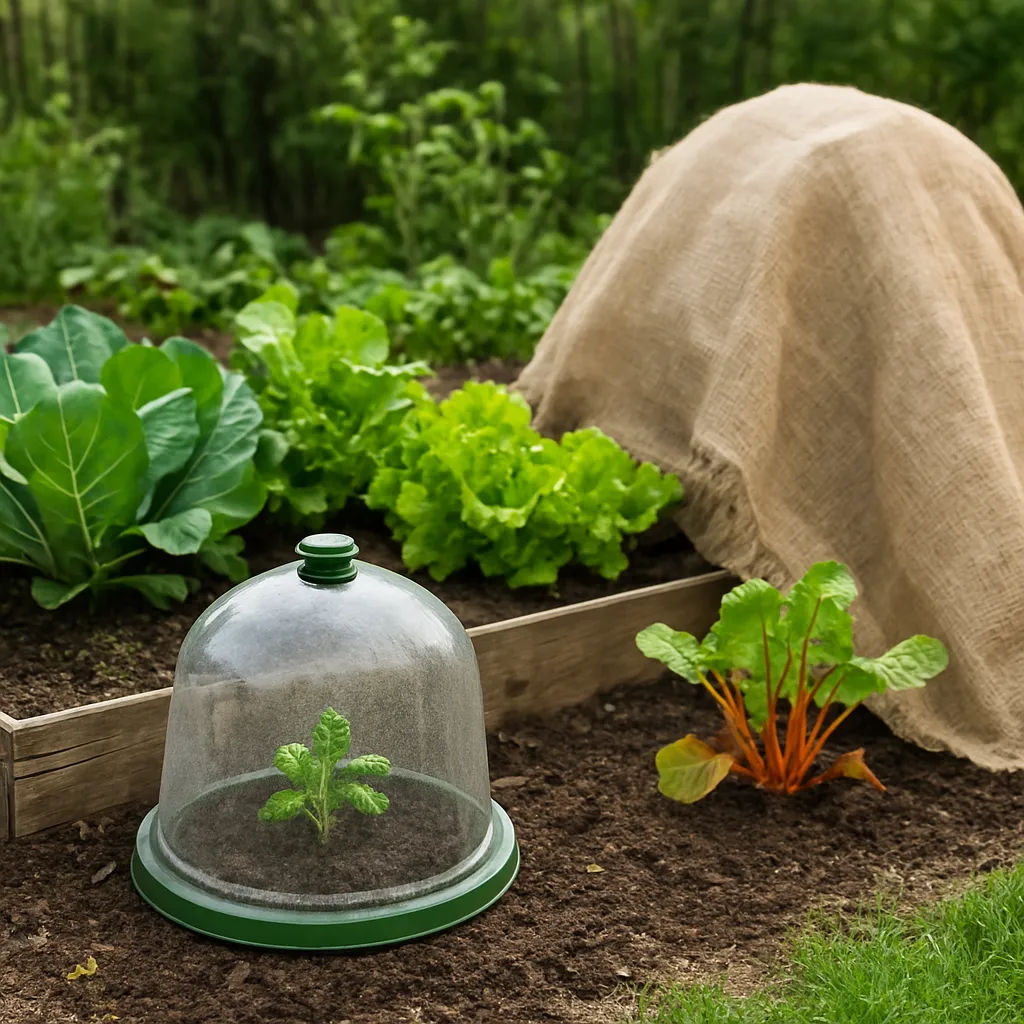
Constructing a cold frame is one of the most cost-effective ways to gain 2–4 extra weeks in both spring and fall. Use recycled windows or transparent polycarbonate sheets for the lid. Position frames in a sunny, south-facing location and angle the lid for maximum solar gain. For larger areas, consider a hoop house covered with clear plastic. The arch design sheds snow and rain, providing consistent protection against frost.
Row Covers and Frost Fabrics
Lightweight row cover fabrics are breathable barriers that block frost while allowing air, light, and moisture to pass through. Secure edges with soil or stakes to prevent wind from lifting the material. You can double-layer the fabric during the coldest nights for enhanced insulation. Mid-season, these covers also deter pests without restricting pollinators.
- Floating row covers for early spring sowing
- Removable frost cloth for autumn protection
- Reflective mulch to bounce light onto underprotected crops
Soil Management for Extended Productivity
Building Nutrient-Rich Soil
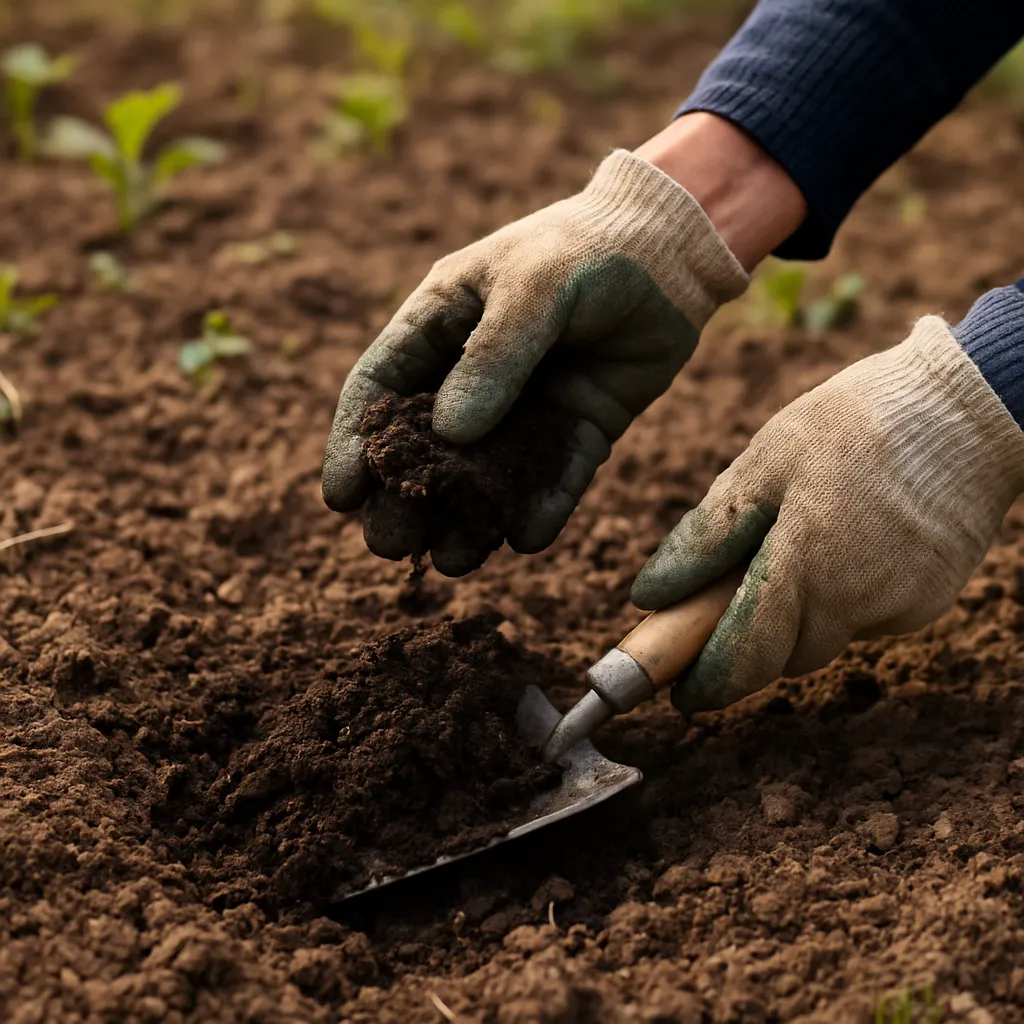
Healthy soil with excellent drainage and moisture retention is fundamental. Incorporate well-aged compost and organic matter to improve structure and microbial activity. A rich soil retains heat more effectively than bare ground, acting as a thermal battery overnight.
Mulching Techniques
Mulch serves as an insulator, reducing temperature fluctuations around plant roots. Organic mulches—such as straw, leaf mold, or shredded bark—also decompose over time, adding nutrients back into the soil. Apply a 2–4 inch layer around perennials and newly transplanted seedlings. In spring, this mulch helps warm the ground earlier, speeding up germination.
Timing and Crop Selection
Choosing Cold-Tolerant Varieties
Not all plants are created equal in their frost hardiness. Select cultivars bred for early maturity and cold tolerance. Many seed catalogs list days to maturity, but also check for tags like ‘frost-hardy’ or ‘spring planted’. Examples include:
- Spinach and kale—survive 20°F with row covers
- Peas—sow as soon as soil can be worked
- Brassica family—cabbage, broccoli, and Brussels sprouts thrive in cool weather
Succession Planting
By staggering plantings, you create overlapping harvest windows. For instance, sow salad greens every two weeks from early spring through midsummer. As one batch matures, fresh seedlings take its place. This method ensures a continuous supply and maximizes the use of your protected areas.
Season Extension Strategies by Crop
Early Spring Sowing
Start hardy seeds indoors or in a heated environment 4–6 weeks before the last frost. Use warm soil seedling mats to boost germination rates. Once seedlings have two true leaves, harden them off gradually by exposing them to outdoor conditions for increasing periods each day.
Late Fall Harvests
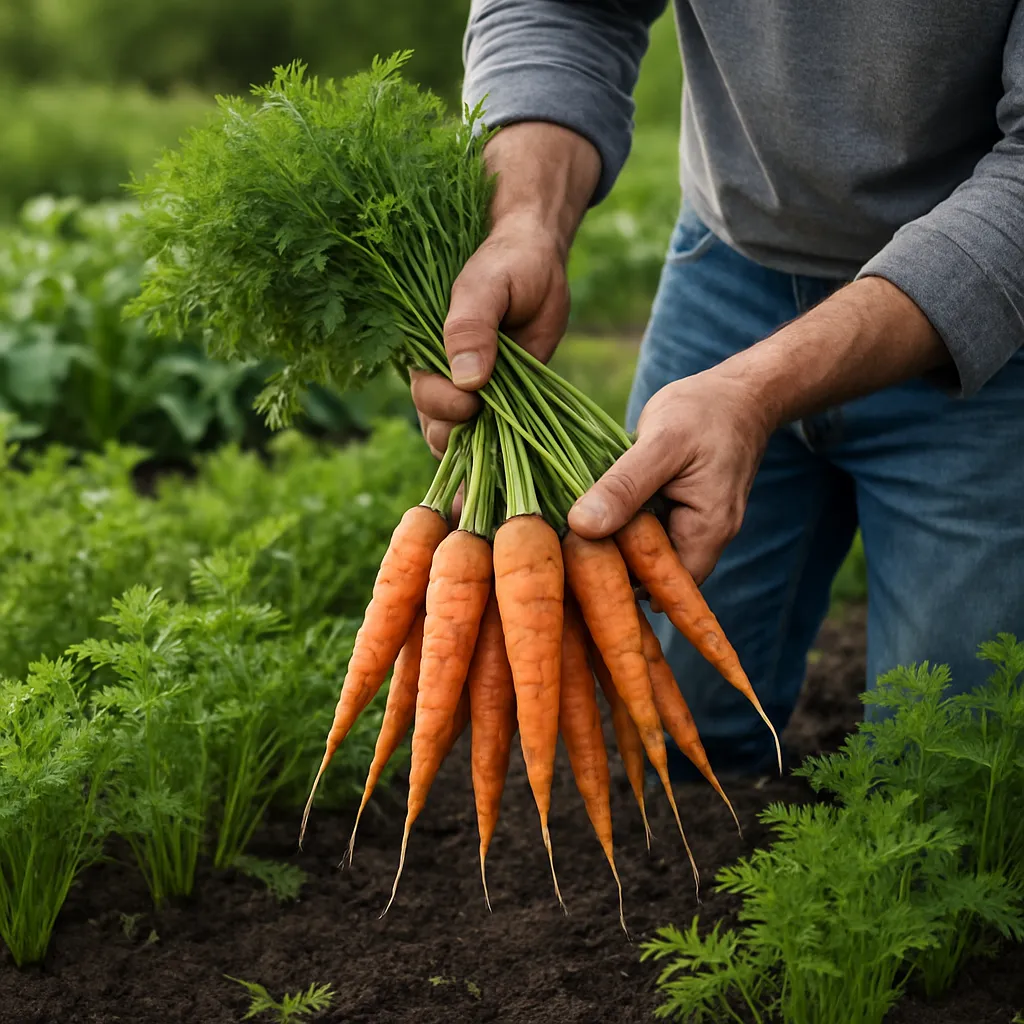
For cool-weather crops like carrots, beets, and parsnips, leave them in the ground until you need them. Cover with insulated mulch or row covers to prevent root damage. Root vegetables often taste sweeter after a light frost, as the plant converts starches into sugars for protection.
Advanced Techniques for Maximum Yield
Thermal Mass Additions
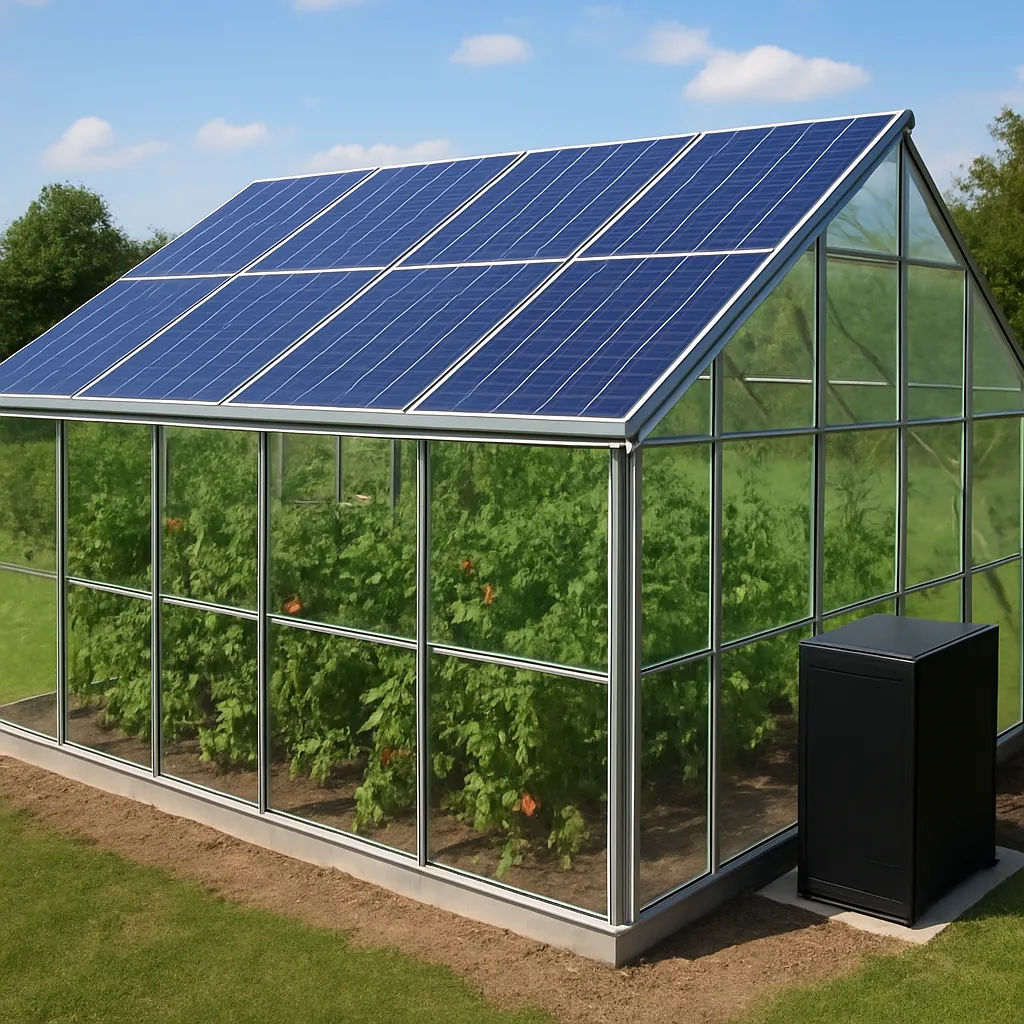
Rocks, water barrels, or concrete blocks placed inside greenhouses absorb heat during the day and radiate it at night. Position these thermal masses near the north wall to capture maximum sunlight. The extra warmth can raise nighttime temperatures by 5–10°F, providing a safe buffer against frost.
Integrating Aquaponics and Hydroponics
Controlled environment agriculture, such as hydroponics or aquaponics, offers precise temperature regulation and continuous production. Though initially more expensive, these systems eliminate soil-borne diseases and pests. By managing light, humidity, and nutrients, you can maintain year-round growth for leafy greens, herbs, and small fruiting crops.
Maintenance and Monitoring
Regular Inspections
Check temperature gauges and soil moisture sensors daily during transition periods. Adjust ventilation, irrigation, and covering layers as needed. Early detection of frost or heat spikes prevents crop stress and reduces loss.
Pest and Disease Management
Cool, humid conditions under covers can sometimes encourage fungal growth. Ensure adequate airflow by propping up edges of row covers or opening vents in hoop houses. Apply organic fungicides or beneficial microbes to maintain plant health without chemical residues.
Conclusion
Extending the growing season requires a combination of knowledge, planning, and investment in protective measures. Whether you’re a backyard gardener or a market farmer, leveraging techniques such as row covers, cold frames, organic soil amendments, and careful crop selection can profoundly impact your harvest length and quality. With creativity and persistence, you’ll enjoy fresh produce far beyond the conventional growing calendar.